Researchers at RMIT have developed cardboard-confined rammed earth, a method that uses local soil, water and recycled cardboard tubes to form structural elements without cement. The cardboard tubes confine wet, compacted soil and remain part of the finished element; strength is predictable from tube thickness. Reported benefits include costs under one-third of comparable concrete and embodied carbon roughly one-quarter that of cement-based concrete (≈75% reduction). Thermal mass can lower energy use, though long-term durability and weathering are still being tested.
Goodbye Cement: Cardboard-Confined Rammed Earth Could Transform Construction

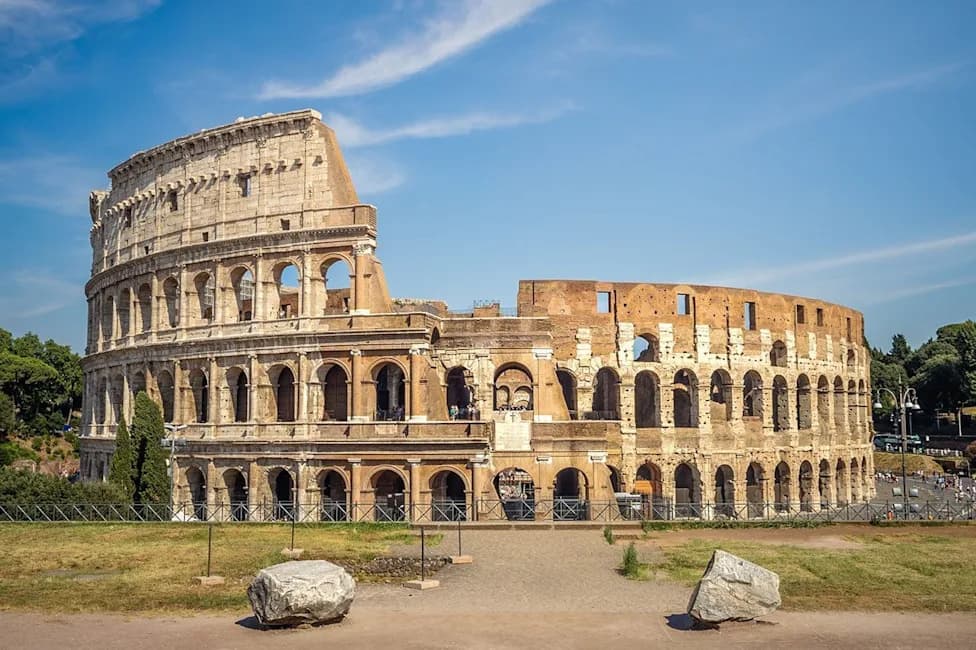
Conventional cement production is a major source of global CO2 emissions because firing limestone in kilns consumes enormous energy. Researchers at the Royal Melbourne Institute of Technology (RMIT) in Australia have developed cardboard-confined rammed earth, a low-cost building material made from soil, water and recycled cardboard that could significantly reduce the environmental footprint of construction.
What is cardboard-confined rammed earth?
This approach adapts the ancient technique of rammed earth—compacting damp soil into forms—by using recycled cardboard tubes as permanent confinement. The cardboard tubes hold the wet soil during construction and remain in place as a continuous structural jacket once the soil cures.
How it works
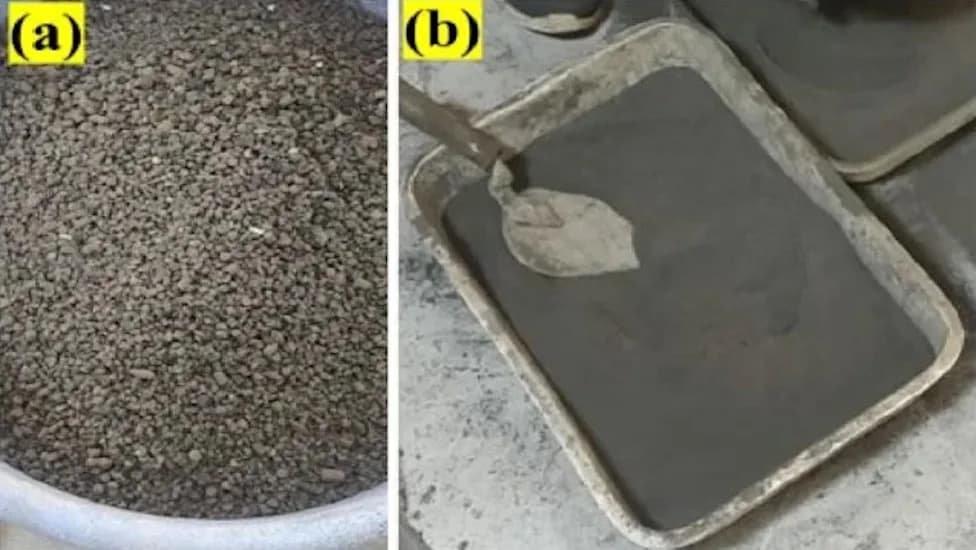
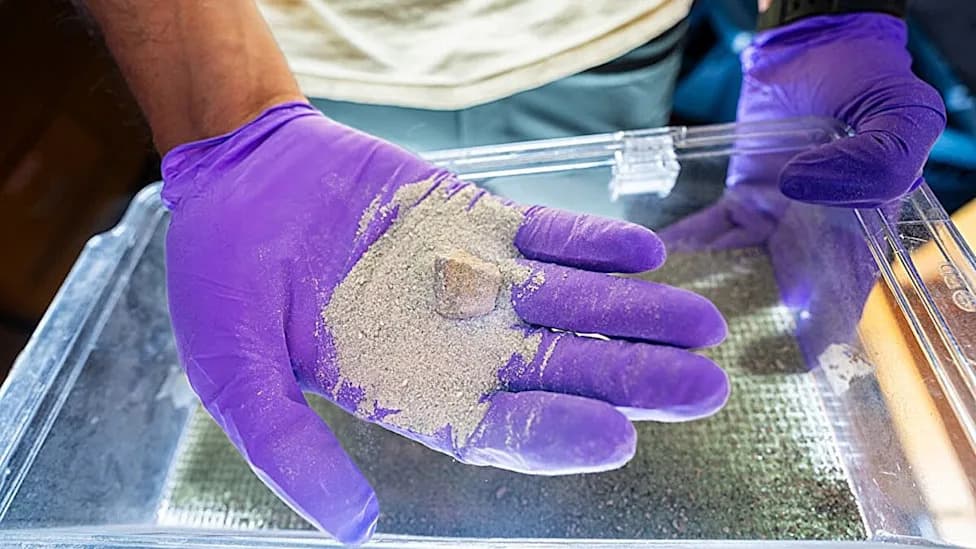
Builders compact local soil with water inside sturdy cardboard tubes to form columns or panels. The tubes both retain the wet mix while being consolidated and provide ongoing lateral confinement that increases the finished element’s durability. RMIT engineers developed a mathematical model that predicts strength from tube thickness, enabling engineered and repeatable designs.
Environmental and cost benefits
Because the method eliminates cement, embodied carbon is much lower than conventional concrete. The research reports the material’s embodied carbon is roughly one-quarter that of typical cement-based concrete—about a 75% reduction in carbon emissions compared with conventional concrete. Using local soils and recycled cardboard also reduces transportation and material costs: the team found cardboard-confined rammed earth can cost less than one-third of comparable concrete construction.
Performance, limits and ongoing research
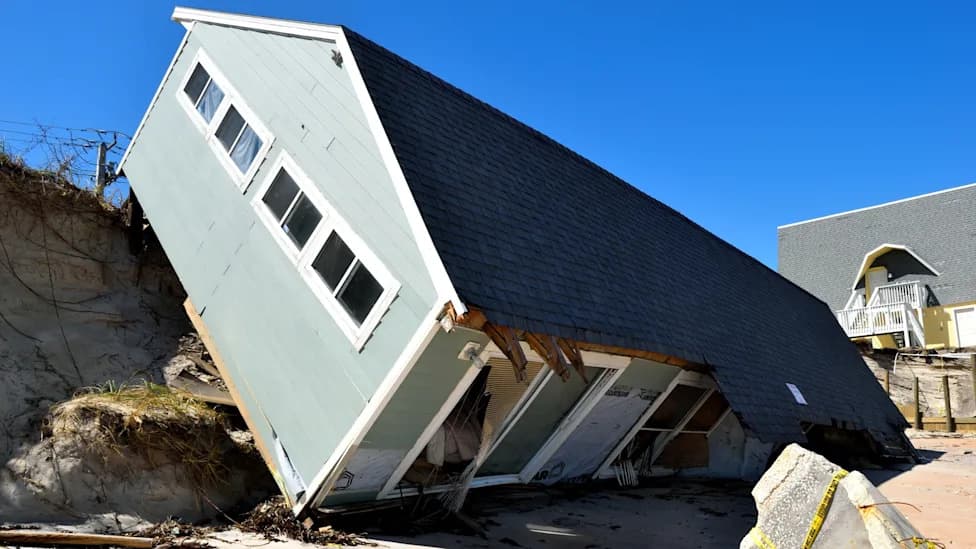
Rammed-earth walls have useful thermal mass, absorbing and slowly releasing heat to help regulate indoor temperatures and potentially lower energy use. However, long-term weathering, moisture resistance, and lifecycle durability remain under active study. The performance of finished elements depends on factors such as soil type, cardboard thickness, local climate, and construction quality.
Potential applications
Cardboard-confined rammed earth could be used for load-bearing columns, interior partitions, attractive drywall alternatives, or low-cost foundations and floor coverings in suitable climates. Its affordability and use of local materials make it appealing for sustainable housing, low-carbon infrastructure, and temporary or modular structures.
In summary: this technique offers a promising route to cut construction emissions and reuse paper waste, but wider adoption will depend on further testing, building-code acceptance, and demonstrations of long-term performance.
Help us improve.