Naples is experiencing a tourism boom that residents say is turning historic neighbourhoods into tourist-themed strips of shops and eateries. Landlords — and reportedly criminal groups — are converting long-term homes into short-term lets, pushing rents up about 40% in the historic centre and leaving many renters vulnerable. Campaigners are calling for caps on Airbnbs, neighbourhood limits and the reuse of derelict buildings for social housing, while authorities say they are monitoring listings. The upcoming America’s Cup raises fears the pressure will intensify.
Disneyfication of Naples: How Mass Tourism Is Stripping the City's Soul

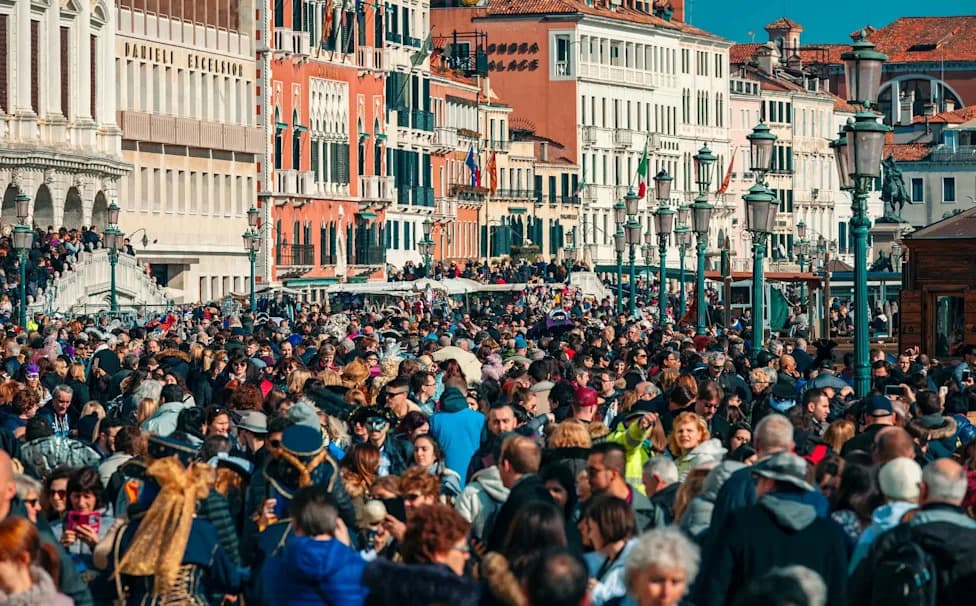
Via dei Tribunali, one of Naples’ oldest streets, is increasingly clogged with souvenir shops, pizzerias and bars advertising Aperol Spritz, turning what should be a stroll through history into an endurance test.
Tour guides with loudspeakers shepherd cruise-ship groups, visitors line up at street-food stalls, and helmetless Neapolitans weave through the crowds on scooters. Once notorious for mafia violence, street theft and waste-collection crises, Naples is now experiencing a sharp tourism surge that many residents say is eroding the city’s character.
From authenticity to theme park
Visitors are drawn to Naples for its vibrant street life, colorful murals and world-famous food. But that authenticity is increasingly under threat as traditional greengrocers, ironmongers and other local businesses are replaced by near-identical tourist eateries and souvenir shops.
Local resident Livia Coletta, 79, says the historic centre has become almost a no-go zone for Neapolitans because of overcrowding.
Anna Fava, an overtourism expert and member of the housing-rights group Resta Abitante, warns of a process of "Disneyfication": the historic centre is being reshaped into a theme-park version of itself. She points to the Spanish Quarter, where Diego Maradona murals and a proliferation of themed memorabilia have turned authentic local feeling into a visitor attraction.
Housing, rents and organised crime
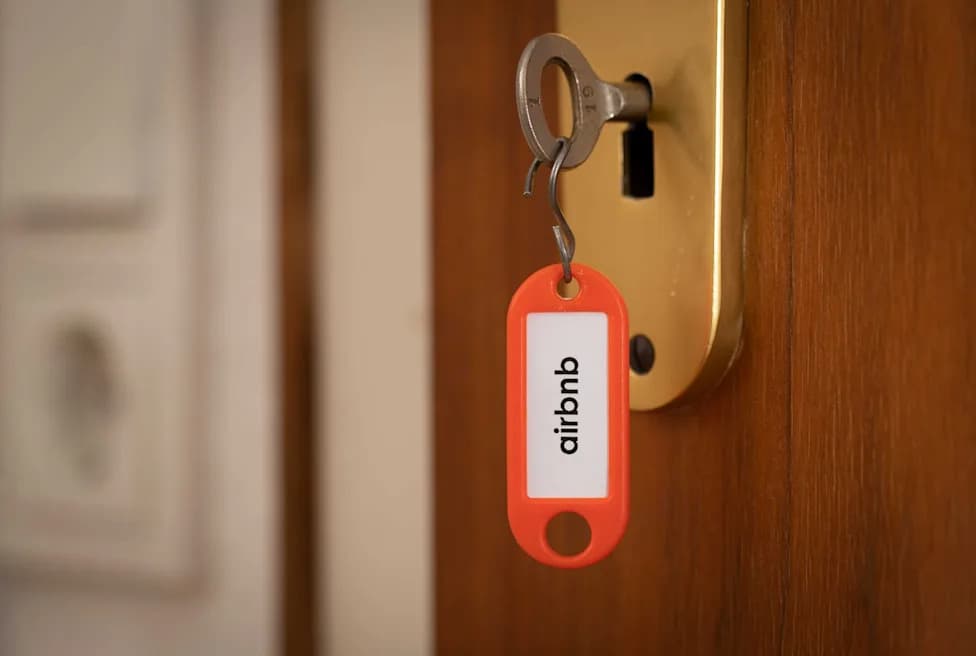
Landlords are evicting long-term tenants to convert flats into short-term holiday lets. With fewer properties available for locals to rent, rents in the historic centre have risen by around 40 percent over the past decade, according to campaigners. That pressure is amplified in a city where central neighbourhoods have a high share of renters: roughly 68 percent in some districts, compared with about 25 percent nationwide who rent.
Campaigners also say the Camorra crime syndicate has moved into the housing market, buying low-priced properties and profiting from holiday rentals. "It’s much easier than dealing in drugs — and it’s legal," Fava says.
Calls for limits and local measures
Activists want urgent action: caps on short-term lets, neighbourhood-by-neighbourhood limits, and refurbishment of abandoned buildings for affordable housing. An Ipsos survey found 46 percent of Neapolitans view overtourism as a problem and 58 percent support tighter rules on short-term lets.
Some local councillors have suggested temporary visitor levies in peak periods — for example, a proposed €5 charge to enter the historic centre during busy times like Christmas — and the tourism councillor says authorities are monitoring listings and reserving some public housing for low-income residents and students.
"We have asked for an immediate stop to new Airbnbs because we have already surpassed the threshold of sustainability," says urban policy researcher Martina Locorotondo.
Economic trade-offs and looming events
Many locals benefit from tourism — taxi drivers, bar and restaurant owners, and short-term let operators argue the industry provides vital income in a city with limited industrial activity. "Tourism is one of the only flourishing economic sectors," says Agostino Ingenito, president of ABBAC, an association of short-term let owners.
But campaigners warn that an economy overly dependent on tourism is fragile. Francesco Calicchia, a sociologist and resident activist, asks what will happen if the tourist bubble bursts: what becomes of the cafes, pizzerias and the workers whose livelihoods depend on steady visitor numbers?
Pressure is expected to grow with Naples hosting stages of the America’s Cup sailing competition through 2027. Urban geographer Ugo Rossi predicts more homes will be converted to short-term lets and warns of a potential "social earthquake" if developers and landlords accelerate conversions ahead of the event.
The debate in Naples now centers on striking a balance: preserving the city’s unique social fabric and everyday life while allowing residents and businesses to benefit from a sustainable flow of visitors.
Help us improve.