China's official manufacturing PMI nudged up to 49.2 in November but remained below the 50 threshold, marking an eighth straight month of contraction. A U.S.-China trade truce and talk of lower U.S. tariffs offer limited hope for exporters, but it is too soon to see a clear recovery in overseas demand. Domestic headwinds — notably the property slump, falling home prices and the winding down of purchase subsidies — are damping consumer confidence and industrial demand. Economists say more targeted policy support may be needed to shore up growth.
China’s Factories Shrink for Eighth Month as PMI Holds at 49.2 — Trade Truce Offers Limited Relief

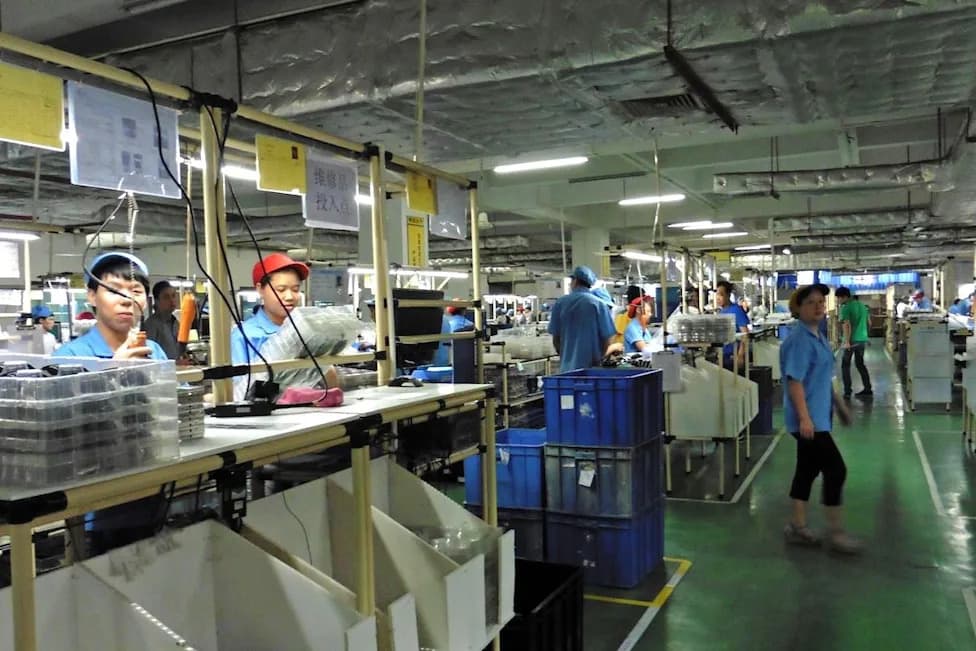
China's factory sector contracted for the eighth consecutive month in November, according to the official purchasing managers index (PMI), underscoring persistent weakness in industrial activity despite a recent U.S.-China trade truce.
The National Bureau of Statistics reported the manufacturing PMI rose slightly to 49.2 in November from 49.0 in October. Readings below 50 indicate contraction, so November’s figure — while a modest improvement — still signals declining factory activity and matched analysts’ expectations.
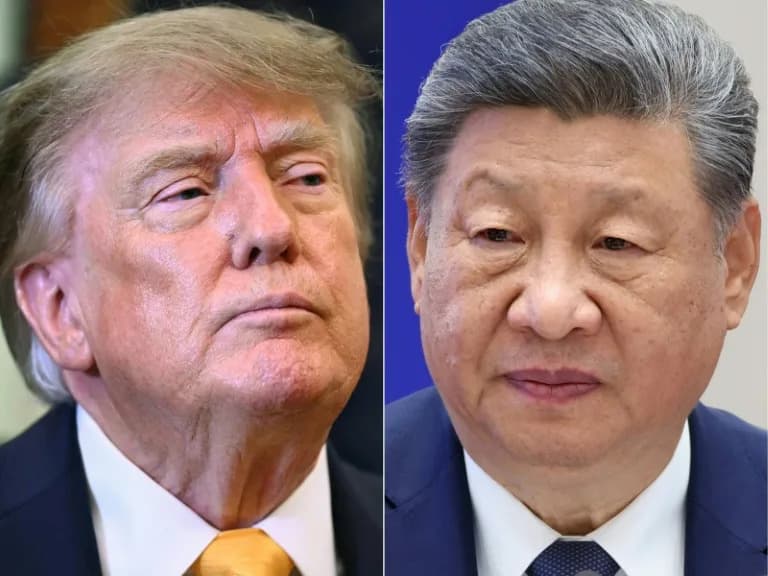
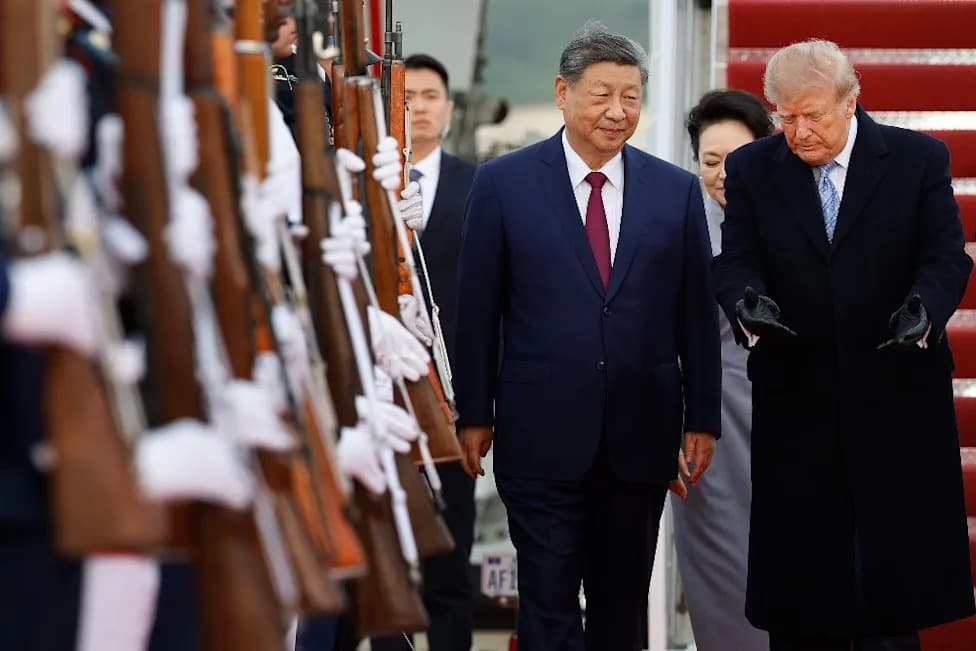
There is cautious optimism that a U.S. pledge to lower tariffs after a late-October meeting between the two countries could improve price competitiveness for Chinese exports. However, analysts say it is too early to conclude there has been a sustained rebound in overseas demand or export momentum.
At home, a prolonged slump in the property market, falling home prices and reduced real estate investment continue to weigh on consumer confidence and demand for manufactured goods. Intense price competition across several sectors, including the auto industry, has further squeezed margins and pressured manufacturers.
Authorities introduced measures such as trade-in subsidies for home appliances and electric vehicles to stimulate purchases, but some of these incentives are being phased out. Analysts warn that the fading boost from these policies could weaken sales and domestic demand going forward.
“Policymakers appear to be delaying further policy support,” wrote Lynn Song, chief economist for Greater China at ING, in a recent research note.
Zichun Huang, China economist at Capital Economics, added that signals on domestic demand have been mixed and that the fading trade-in measures may be weighing on demand for manufactured goods.
Chinese officials have set an economic growth target of about 5% for 2025. The economy expanded 4.8% year-on-year in the July–September quarter. Analysts say reaching the official target may be possible without aggressive new stimulus, though many continue to call for additional policy support to stabilize growth.
Help us improve.