CITES delegates in Uzbekistan adopted measures to protect more than 70 species of sharks and rays, banning trade for several high-profile species and imposing strict controls or zero export quotas on others. The decisions target a multi-billion-dollar trade driven by demand for fins, meat and other products, at a time when over 37% of shark and ray species are threatened. The moves build on major protections adopted in Panama in 2022 and highlight ongoing challenges around enforcement and illegal wildlife trade.
CITES Conference in Uzbekistan Approves Strong Protections for 70+ Sharks and Rays

Delegates at the Convention on International Trade in Endangered Species of Wild Fauna and Flora (CITES) meeting in Uzbekistan approved expanded protections for more than 70 species of sharks and rays, citing concerns that intensive fishing and international trade threaten many populations with extinction.
Key decisions
The package of measures adopted on Friday includes:
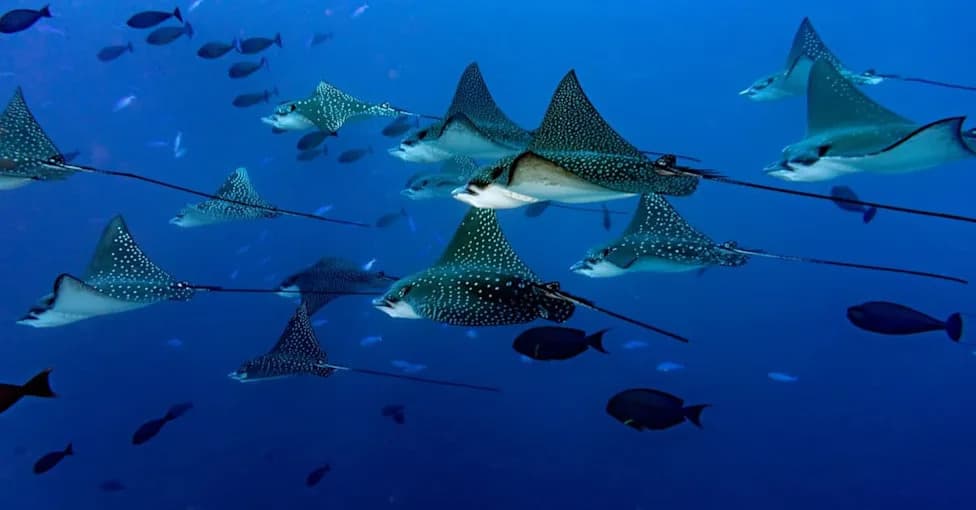
- A prohibition on international trade in oceanic whitetip sharks, manta and devil rays, and whale sharks.
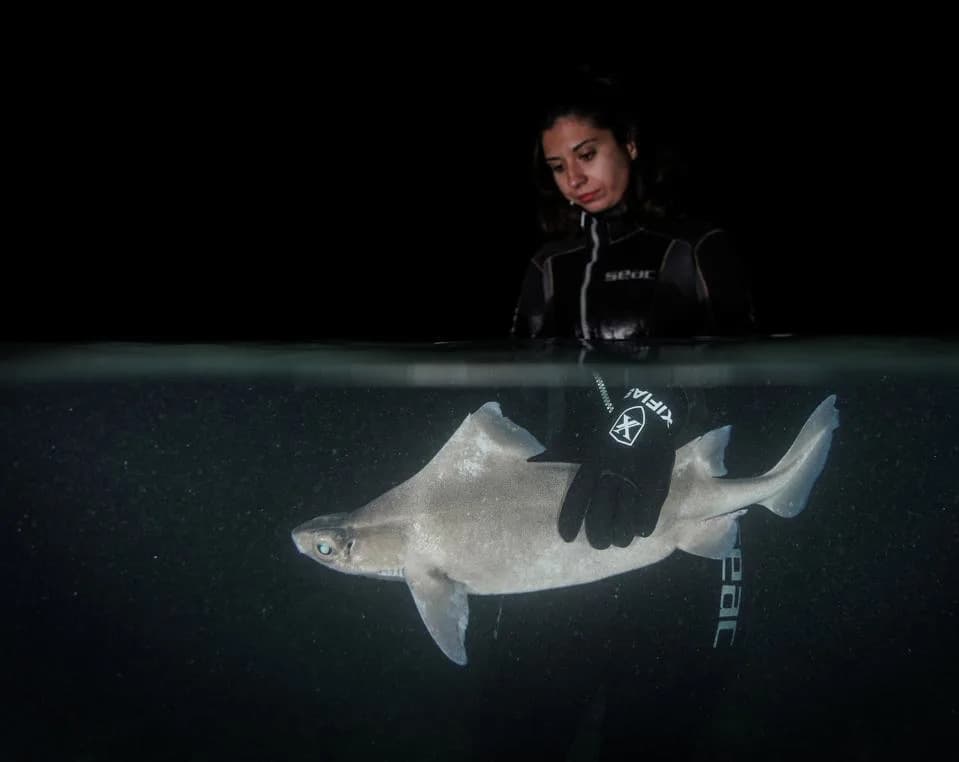
- Tighter controls for gulper sharks, smoothhound sharks and the tope shark, allowing trade only when exporters can demonstrate catches are legal, sustainable and fully traceable.
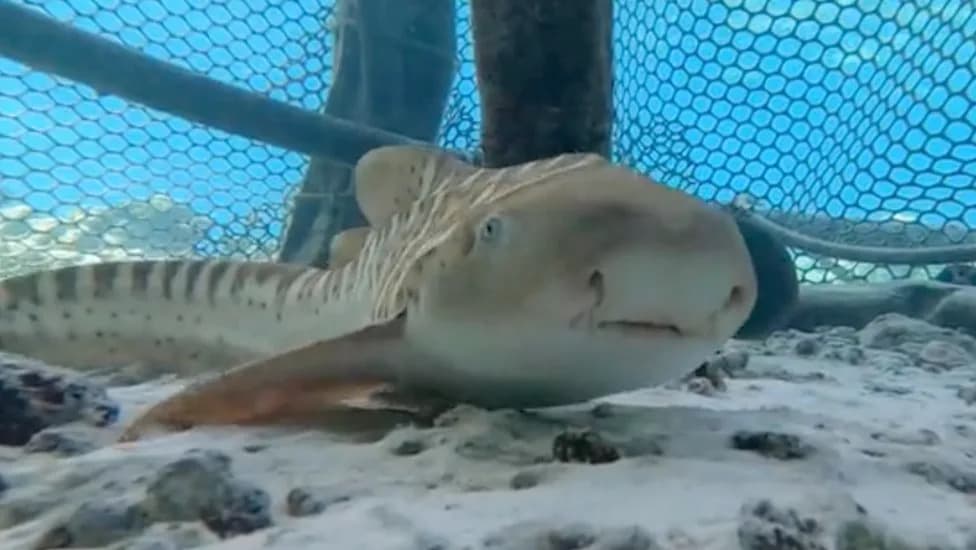
- Zero annual export quotas for several species of guitarfish and wedgefish, effectively halting most legal international trade in those species.
“This is a landmark victory, and it belongs to the Parties who championed these protections,” said Luke Warwick, director of shark and ray conservation at the Wildlife Conservation Society. “Countries across Latin America, Africa, the Pacific, and Asia came together in a powerful show of leadership and solidarity, passing every shark and ray proposal.”
Why it matters
Conservation groups say the measures are essential to curb intensive fishing driven by demand for fins, meat, oil and gill plates. The trade is valued in the billions of dollars and, conservationists warn, is unsustainable: more than 37% of shark and ray species are now considered threatened with extinction.
“For too long, sharks that have roamed our oceans for millions of years have been slaughtered for their fins and meat,” said Barbara Slee, senior program manager at the International Fund for Animal Welfare. “People may fear sharks, but the truth is we pose a far greater threat to them — with more than 100 million killed every year. These new protections will help shift that balance and recognise and honour these sharks as more than just fishery commodities.”
CITES has recorded recent wins for shark and ray conservation: at its previous meeting in Panama in 2022, governments adopted protections for more than 90 shark species, including many requiem sharks, hammerheads, bonnethead and multiple guitarfish species that previously lacked trade safeguards.
The international treaty, established in Washington, D.C., in 1975, has helped reduce illegal and unsustainable trade in ivory, rhino horn and other wildlife products. Critics say its effectiveness can be limited by underfunded enforcement in some countries and by a lucrative global illegal wildlife trade estimated at around $10 billion per year.
At the same Uzbekistan meeting, delegates resisted proposals to loosen protections for elephants and rhinos but agreed to relax rules for trade in saiga horn from Kazakhstan — a contentious decision opposed by some conservationists. Supporters noted the saiga antelope has recently been reclassified from critically endangered to near threatened by the International Union for Conservation of Nature after conservation measures helped its numbers rebound.
Overall, delegates described the Uzbekistan outcomes as a renewed international commitment to protecting vulnerable marine species and improving the traceability and sustainability of wildlife trade.
Help us improve.