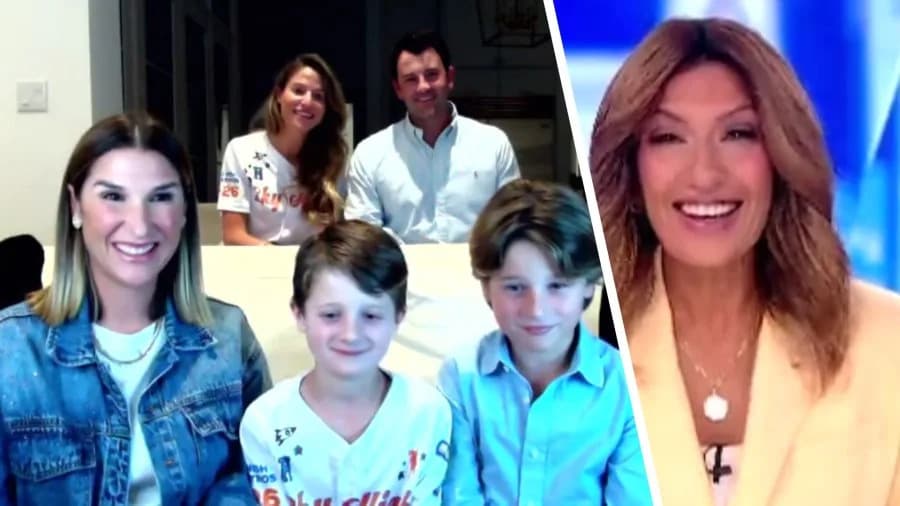
Meghan Jenkins' son Malachi was diagnosed with acute lymphoblastic leukemia in March 2021 after symptoms including lethargy, a cough and black stool prompted emergency care. His white blood cell count was more than ten times normal and doctors began immediate chemotherapy, including an initial month in hospital and two years of maintenance therapy. In August 2023 he completed treatment and is now a thriving 7-year-old in remission, with doctors calling his long-term outlook comparable to peers his age.
Toddler Told He Had Just Three Years to Live Survives Leukemia — Now Thriving at 7

When Meghan Jenkins noticed her toddler, Malachi, growing unusually tired in March 2021, she never imagined it would lead to a cancer diagnosis. The energetic boy who loved the Miami Dolphins, dinosaurs and monster trucks was rushed to the emergency room after vomiting and passing black stool. Tests and a bone marrow biopsy soon produced a devastating diagnosis: acute lymphoblastic leukemia (ALL). Jenkins was told her son might have just two and a half to three years to live.
Rapid diagnosis and immediate treatment
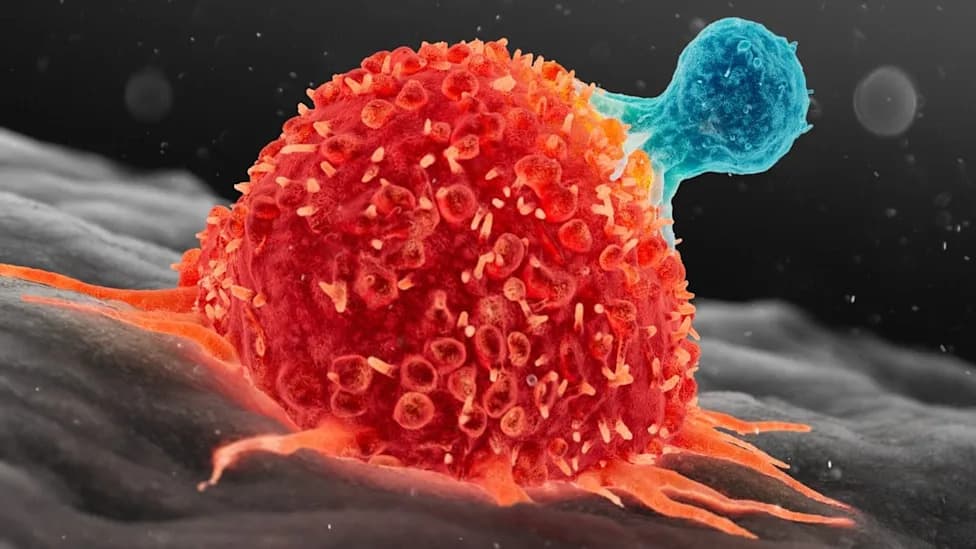
ALL is a fast-growing cancer that begins in the bone marrow and causes the body to produce immature white blood cells. In Malachi's case his white blood cell count was more than ten times normal, which weakened his immune system and increased the risk of infection and internal bleeding. Because ALL progresses quickly, doctors began chemotherapy immediately.
Intense early treatment and recovery
Malachi spent the first month of treatment in the pediatric intensive care unit. The initial phase of chemotherapy is often the most intensive, and clinicians said inpatient care was the safest option. Jenkins recalls the physical and emotional toll: nausea, fatigue, setbacks in potty training and the need to wear gloves when holding him because his immune system was so compromised. 'There were days I didn't even think I was going to go on, but I had to,' she said.
Doctors saw improvement quickly. Within a week of starting treatment the team observed signs that chemotherapy was working, and Malachi began to regain energy. After the initial inpatient stay he continued treatment at home, taking multiple daily medications and returning to the hospital several days a week for follow-up care.
Maintenance and remission
Following the intensive phases, Malachi entered a maintenance period of oral medication that lasted about two years. In August 2023 he rang the bell that marks the completion of cancer treatment. Dr. Julio Barredo, director of pediatric cancer programs at Sylvester Comprehensive Cancer Center, said that after two years without relapse it becomes 'quite unusual' for a child with ALL to experience a recurrence. Because of Malachi's strong response to therapy, doctors now consider his life expectancy comparable to other children his age.
'For all practical purposes, he is pretty much cured at this point in time,' Dr. Barredo said.
Life after treatment
Today Malachi is a loving, curious 7-year-old who excels in school, takes gifted classes, makes the honor roll, and remains passionate about reading, dinosaurs and the Dolphins. Jenkins said his immune system is still rebuilding, but the family is hopeful and focused on helping him enjoy a normal childhood after years of treatment and trauma.
'This whole process was very hard. It's still hard. I have moments where I'm in shock that we went through this,' Jenkins said. 'But there is a brighter situation. There are happier days than just being in the hospital and being sad.'
Malachi's story highlights the importance of prompt diagnosis and modern pediatric cancer care — and offers hope that even dire early prognoses can be overturned with timely treatment and strong support.
Help us improve.