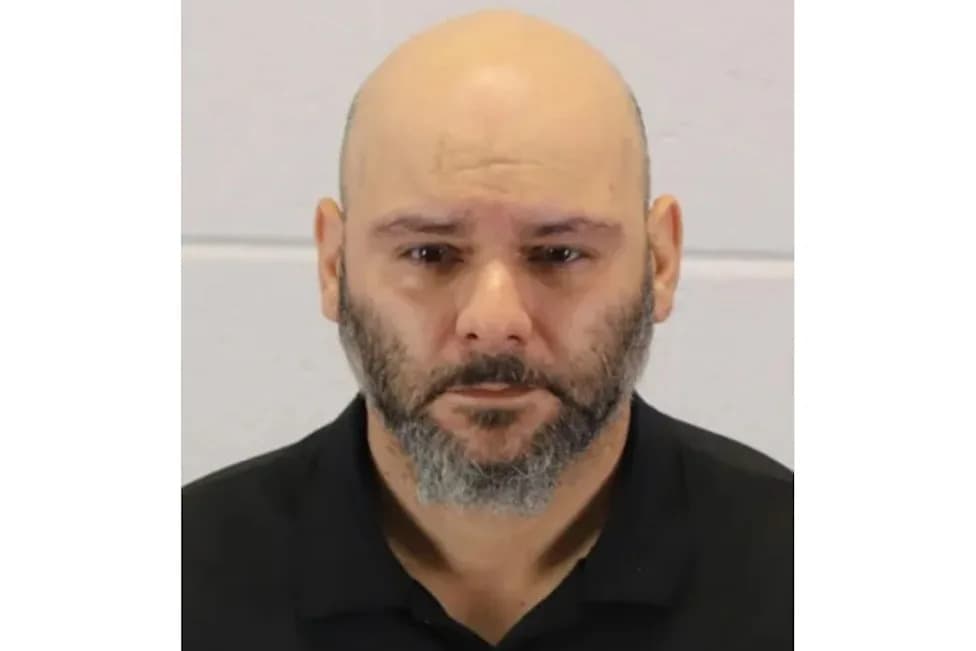
Etan Patz, 6, vanished in SoHo on May 25, 1979. Pedro Hernandez, arrested in 2012 and convicted in 2017, had that conviction overturned by an appeals court in July. Prosecutors say they will retry Hernandez on charges of second-degree murder and first-degree kidnapping. Federal rulings require jury selection to begin by June 1 or he may be released. The case remains a painful touchstone in the history of missing-children advocacy.
After 46 Years, Man to Face Third Trial in Disappearance of 6-Year-Old Etan Patz

On the morning of May 25, 1979, 6-year-old Etan Patz vanished while walking to a bus stop near his SoHo home. Neighbors, family and friends searched the gritty streets of Lower Manhattan — checking alleys, dumpsters and vacant storefronts — but Etan’s body was never found. The case captured national attention and helped change how Americans think about child safety.
New developments: Manhattan prosecutors announced they will retry Pedro Hernandez, 64, whose 2017 conviction for the murder and kidnapping of Etan was overturned by a federal appeals court in July. In a letter to a state supreme court justice, Manhattan Assistant District Attorney Sarah Marquez wrote that, after review, "the available, admissible evidence supports prosecuting the defendant on the charges of murder in the second degree and kidnapping in the first degree." A pretrial conference in the case was scheduled for Monday.
Background and investigation
Etan disappeared on May 25, 1979, the first day his mother allowed him to walk alone to a bus stop about a block from their apartment. The boy’s smiling photographs, taken by his father Stanley Patz, were distributed widely during the search and helped galvanize community efforts to find missing children.
Arrest, confessions and trials
Pedro Hernandez was arrested in 2012, more than three decades after Etan vanished. He gave a taped statement to detectives saying he lured Etan into a basement with the promise of a soda, killed him and disposed of the body in a plastic bag, according to prosecutors. Hernandez’s lawyers have argued that he is severely mentally ill and that his statements were the product of coercion; they say he was questioned for more than seven hours and confessed before his Miranda rights were read.
Hernandez’s first trial, in 2015, ended in a hung jury. He was convicted at a second trial in 2017 and sentenced to 25 years to life. In July, a federal appeals court overturned that conviction, finding that a trial judge erred in how the court addressed a jury question about Hernandez’s confessions — a decision that made a third trial possible.
“We are deeply disappointed in the decision … to retry Pedro Hernandez for a third time,” defense attorney Harvey Fishbein said, adding that Hernandez maintains his innocence. “But if this 46-year-old case is actually retried, we will be ready.”
Legacy and next steps
The Patz family has long worked to keep Etan’s case in the public eye. May 25 is observed as National Missing Children’s Day, and Etan’s disappearance helped push national reforms — including the Missing Children’s Assistance Act — and popularized efforts to publicize missing children’s images.
Under federal court rulings, jury selection for a retrial must begin by June 1, or Hernandez may be released from custody. As the case heads back to court, the search for answers continues for the family and the community more than four decades after Etan disappeared.
Note on sensitive language: Descriptions of Hernandez’s mental health and intellectual functioning reflect statements attributed to his defense; modern, respectful terminology is used throughout.
Help us improve.