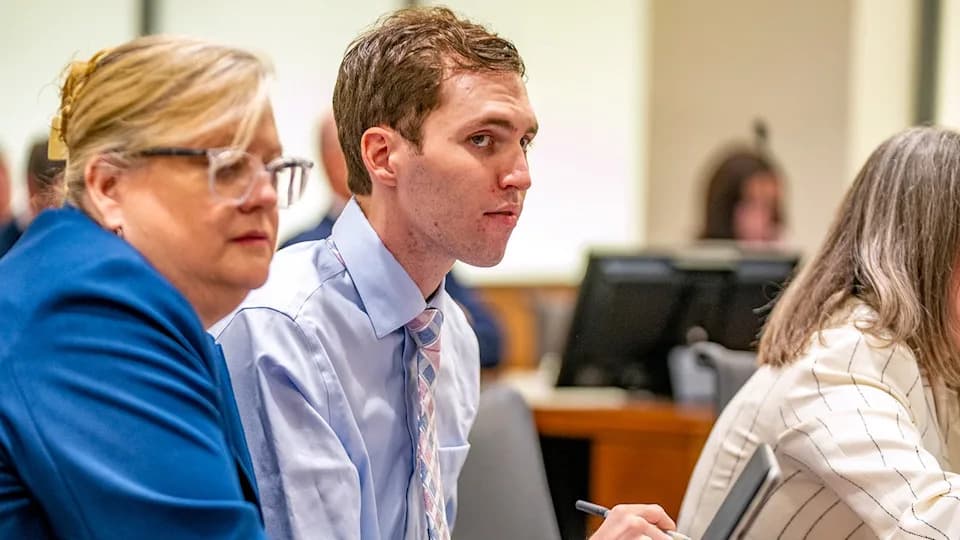
In August 2013, Melissa Rocuba was found with a gunshot wound to the head; her husband, Bruno, initially said the fatal shot was accidental while cleaning a .40-caliber pistol. Family members grew suspicious of Bruno's behavior after the shooting — including the disposal of Melissa's belongings and the family dog, Zeus — but prosecutors declined to charge him at the time. In 2020, Pennsylvania State Police reexamined the case, uncovered unreviewed home security footage and inconsistencies in the 911 call, and arrested Bruno in 2022. In May 2024 he pleaded guilty to third-degree murder and received a 12-to-40-year sentence, with parole eligibility beginning in 2035.
Unexamined Security Footage and a Missing Family Dog: How a 2013 Shooting Led to a 2024 Conviction

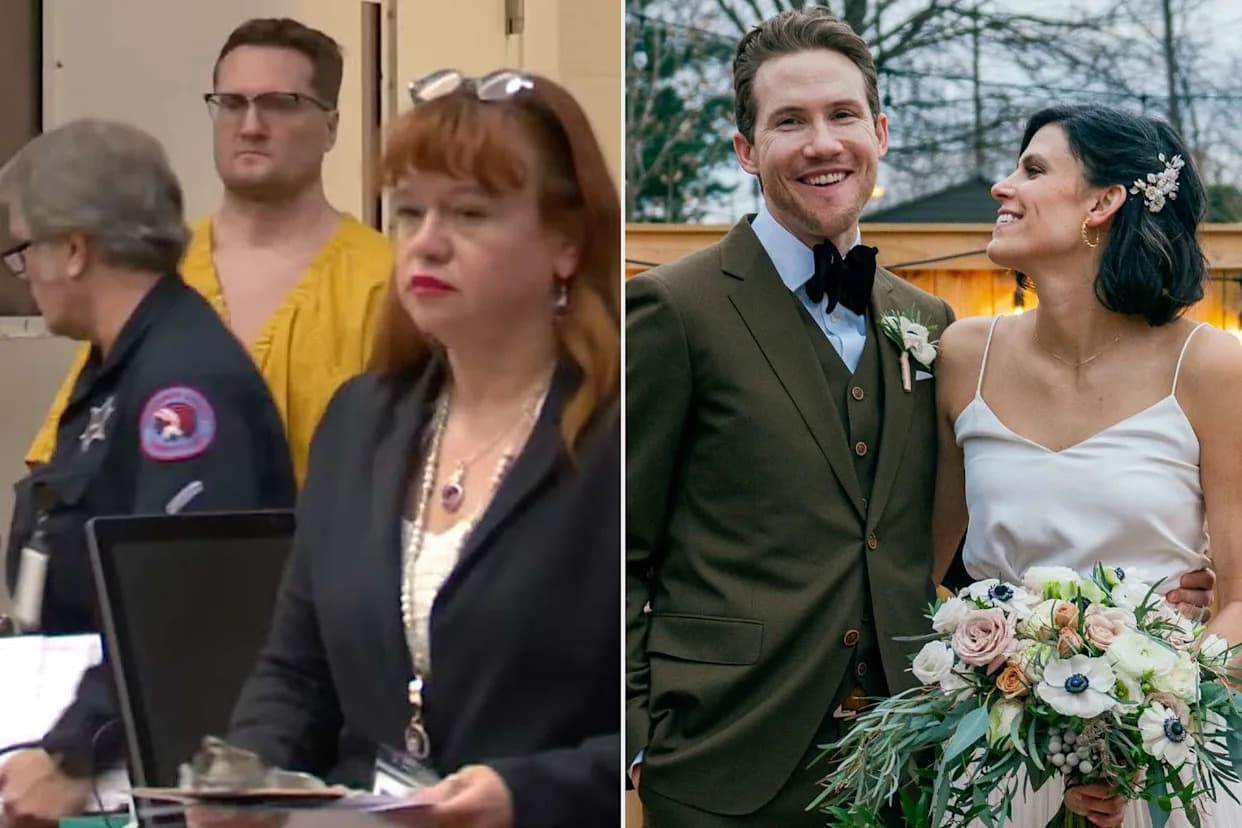
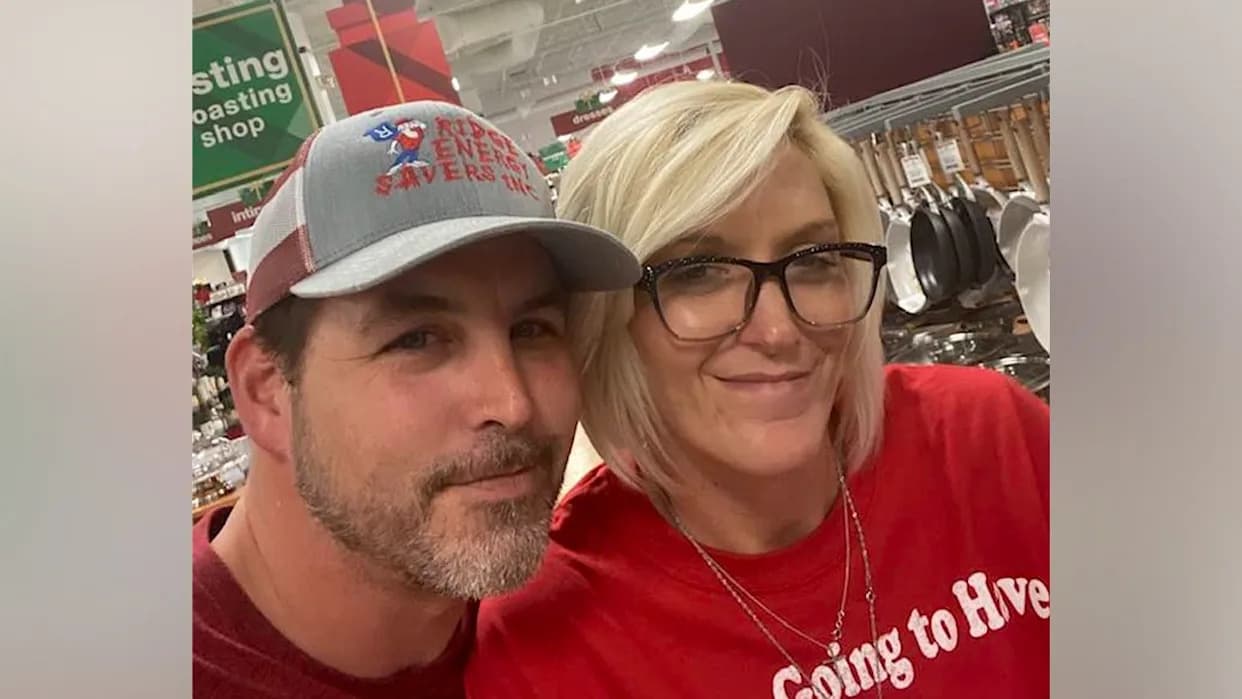
Before Melissa Rocuba was buried, daughter Chelsea Cicio says her father got rid of all her mother's clothes and her beloved dog, Zeus. / Credit: Melissa Rocuba/Facebook(Melissa Rocuba/Facebook)
On a summer night in August 2013, 22-year-old Chelsea Cicio was awakened by a frantic phone call from her father, Bruno Rocuba, who said there had been an accident and that her mother, Melissa Rocuba, had been hurt. Security-camera footage shows Chelsea rushing into her parents' Simpson, Pennsylvania, home and crying out, "Mommy, Mommy," as she finds Melissa with a gunshot wound to the head.
Initial Accounts and Immediate Aftermath
Bruno Rocuba told relatives and investigators the shooting was accidental: he said he had been sitting on the bed cleaning his .40-caliber pistol when it discharged, wounding his left hand and fatally striking his wife. Melissa was airlifted to a hospital and placed on life support; she died three days later on Aug. 10, 2013.
The day after the shooting, Bruno led Pennsylvania State troopers on a walkthrough of the still-bloodstained bedroom, demonstrating his version of events with a toy gun. At the time, Lackawanna County prosecutors said they lacked sufficient evidence to charge him, and no arrest was made.
Family's Suspicions
Over time, Melissa's daughters — Chelsea and Sabrina Rocuba — and her sister, Joanne Swinney, grew suspicious. They described behavior they found troubling: Bruno spending limited time at Melissa's bedside while she died, asking the daughters to clean the bloodstained house and remove the mattress, donating Melissa's wardrobe, removing photographs, and quickly entering a new relationship. The family also says Bruno disposed of Melissa's 10-year-old Rottweiler, Zeus, shortly after her death.
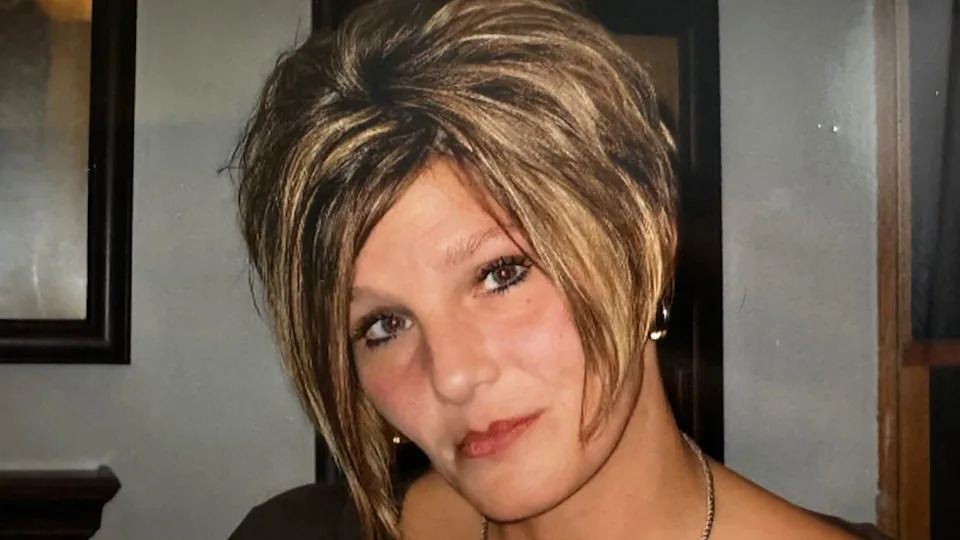
Melissa Rocuba / Credit: Chelsea Cicio
Those actions, coupled with what the family described as a push to "erase" Melissa's presence in the home, left them uneasy but without the evidence needed to overturn the district attorney's initial decision.
New Investigation and Key Evidence
In 2020, Pennsylvania State Police Corporals Greg Allen and Dan Nilon reexamined open homicide files and identified this case as suspicious. They pointed to the original 911 call, where Bruno gave multiple, inconsistent accounts: first saying the injury was not self-inflicted and that "we were fighting," then saying he was "playing with the gun" when it fired, and later that they had been "going to go shooting" when the gun discharged.
Investigators also reviewed Bruno's recorded walkthrough and noticed additional contradictions. Crucially, Corporal Nilon located home security-system footage that had been collected but not fully analyzed. The recording captured Melissa's final movements and words, followed immediately by the sound of a gunshot — evidence investigators said proved decisive.
Arrest, Plea, and Sentence
On June 3, 2022, Bruno Rocuba was arrested and charged with murder. As his trial approached in May 2024, prosecutors and defense reached a plea agreement: Bruno pleaded guilty to third-degree murder and was sentenced to 12 to 40 years in prison. Accounting for time already served, he will be eligible for parole beginning in 2035.
"We were able to ... hear ... their last conversation together," Corporal Nilon said of the recovered security footage. "And then a gunshot goes off."
Case Context
The case illustrates how revisiting evidence with fresh eyes — including 911 recordings and security video — can change the trajectory of an investigation years after an initial decision not to prosecute. For Melissa's family, the long-delayed legal resolution brought grief and difficult questions about the months and years following her death.
Help us improve.