The Trump administration has placed several prominent election deniers into powerful federal roles and pursued broad voter‑data requests, expanded citizenship‑screening tools, and scaled back federal election security capacity. State officials report a loss of trust in federal partners, and experts warn these moves could be used to shape electorates or challenge future results—especially in 2026. Courts and the decentralized U.S. system remain key constraints, and election administrators are urged to uphold professional standards.
From 'Stop the Steal' to the Halls of Power: Election Deniers Reshape U.S. Election Oversight

Key figures who pushed false claims about the 2020 U.S. election have been placed in influential federal roles and are using that authority to reshape how elections are overseen and investigated.
Who is in place
Supported by the president, several prominent election skeptics now hold real influence over federal election policy and enforcement. Harmeet Dhillon, who advanced claims that the 2020 election was stolen, leads the Civil Rights Division at the Department of Justice. Heather Honey, an election denier, serves as deputy assistant secretary for election integrity at the Department of Homeland Security. Kurt Olsen, associated with the “stop the steal” movement, is working as a special government employee on investigations into the 2020 contest.
What they are doing
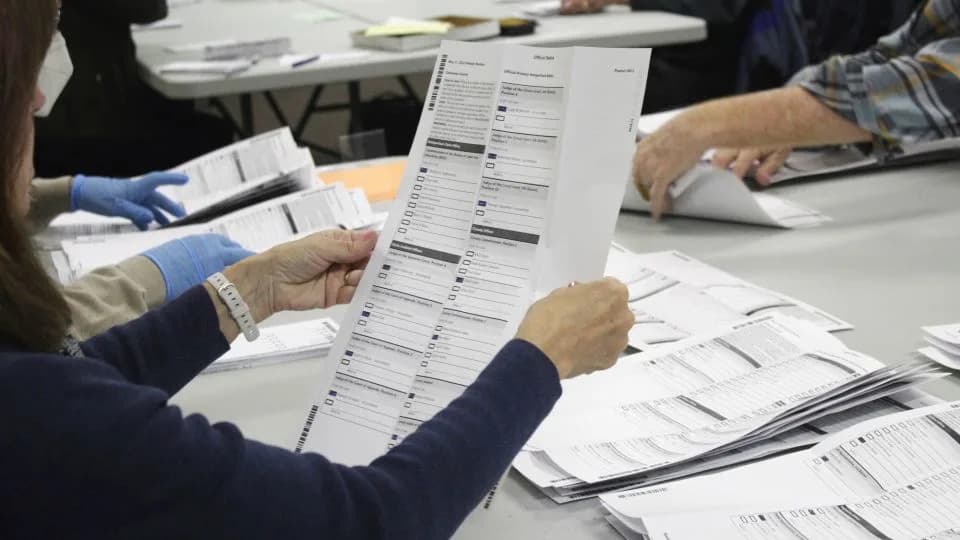
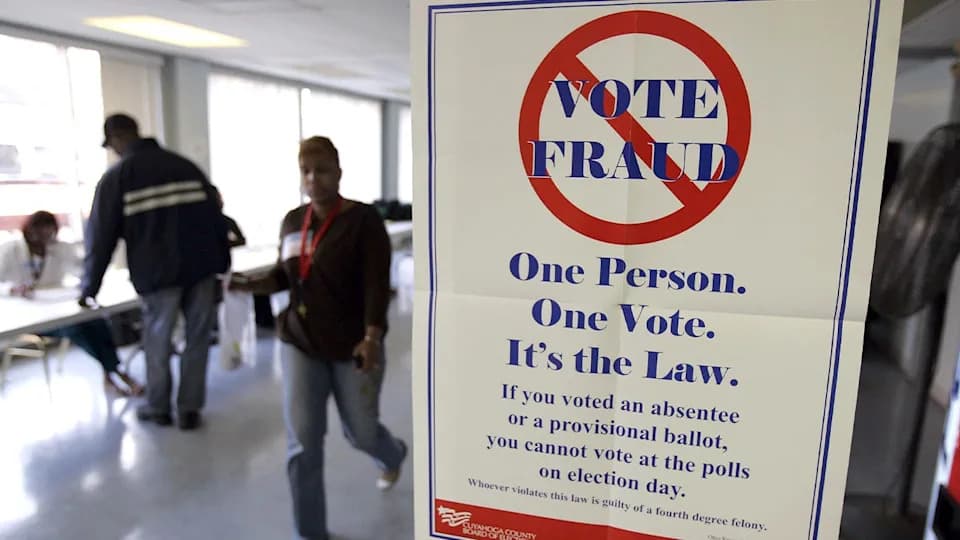
The administration has pursued broad requests for state voter data, expanded the use of a citizenship‑screening system originally intended for public benefit checks, and escalated actions aimed at "cleaning" voter rolls. The Justice Department has requested voter-roll data from multiple states in a push that critics say could be used for fishing expeditions and future fraud claims. Officials have also sought to advance rules and policies that could limit access to voting or sow doubt about voter eligibility.
“The call is literally coming from inside the house,” said Joanna Lydgate, co‑founder and CEO of the States United Democracy Center, describing how election denialism is now embedded across federal institutions.
Impact on federal election expertise
At the same time, core federal capabilities on election security have been diminished. Work on election disinformation and foreign interference has been disbanded, and the Cybersecurity and Infrastructure Security Agency (CISA) has seen significant cuts. State and local election officials report fewer interactions with federal partners and waning trust in federal support for election security.
State officials respond
Some secretaries of state and local election administrators say they no longer view the federal government as a trusted collaborator. Colorado Secretary of State Jena Griswold said the federal government is "no longer a trusted partner in democracy." Arizona Secretary of State Adrian Fontes warned that federal actors would need to change their rhetoric and approach before being welcomed back as partners.
Why this matters for future elections
Experts warn these moves are not merely retrospective investigations of 2020 but are intended to influence future contests, including 2026. Strategies identified by advocates of election denialism include: removing authority from nonpartisan election officials, burdening administrators with frivolous investigations and litigation, and reshaping the electorate by purging registrations. These tactics could be used to dispute or delay certification of results if outcomes are unfavorable to those in power.
Still, important constraints remain. The decentralized structure of U.S. elections and a vigilant judiciary were decisive in blocking attempts to overturn results in 2020, and many experts say courts and state election systems continue to be significant barriers to large‑scale federal takeover efforts.
What election administrators can do
Election officials are being urged to maintain professional standards and resist political pressure. "Stay strong. Just do your job," Fontes said, calling on administrators nationwide to uphold the integrity of elections amid increased scrutiny and political tension.
Note: This article summarizes public appointments, policy actions and expert concerns about possible effects on future U.S. elections. Named individuals are cited for their public roles and statements.
Help us improve.