Host cities predict big economic gains from the upcoming World Cup, but research often finds such windfalls are overstated or absent. Mark Moses, in The Municipal Financial Crisis, argues that municipal "scope creep"—the expansion into flashy projects beyond core duties—drives fiscal instability. He urges cities to define essential responsibilities first, then budget within those limits, prioritizing safety, infrastructure, and the rule of law. Staying grounded in these basics helps cities better serve residents over the long term.
Cities Should Prioritize Core Services, Not World Cup Windfalls

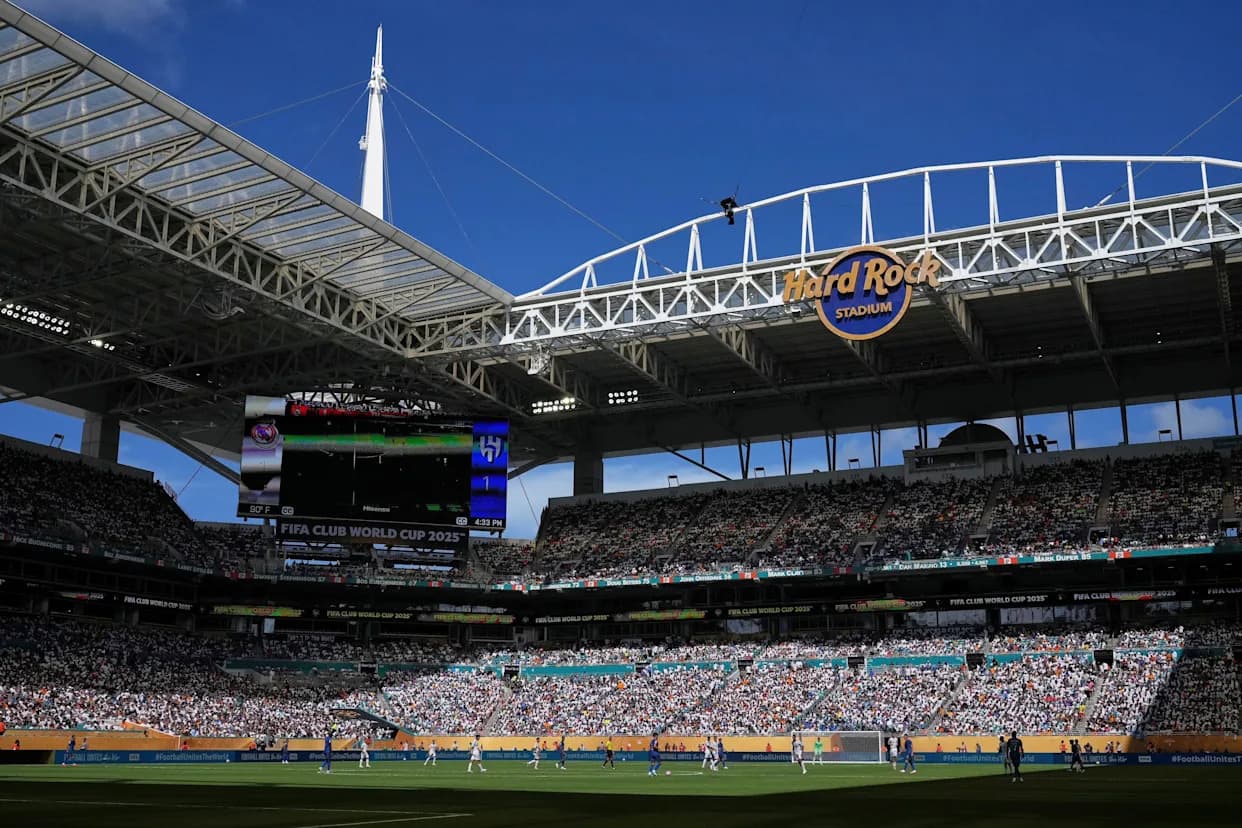
Next year, 11 U.S. cities will host FIFA World Cup matches, and local officials are promoting large economic projections: $653 million for Kansas City, $594 million for Los Angeles, and $400 million for Dallas/Fort Worth. FIFA has estimated the tournament’s national contribution to GDP could exceed $17 billion. Such headlines are persuasive, but research repeatedly shows these forecasts are often exaggerated or fail to materialize.
Why the promise often falls short
Academic studies of major sporting events routinely find that the observed economic impact is far smaller than boosters predict—and in some cases, negative. One recent study summed up the literature this way:
“The results generally show that the observed impact of the World Cup is a fraction of that touted by the event boosters, and frequently the observed impact has actually been negative. Evidence of long-run economic impact has also been elusive.”
Those disappointing results reflect a broader governance problem: many cities lack a clear sense of purpose and boundaries. Without a precise understanding of what municipal government should do, city leaders drift into expensive, high-profile projects—stadiums, convention centers, entertainment districts—that promise prestige and tourism dollars but often divert attention and funds from basic services.
Scope creep and fiscal stress
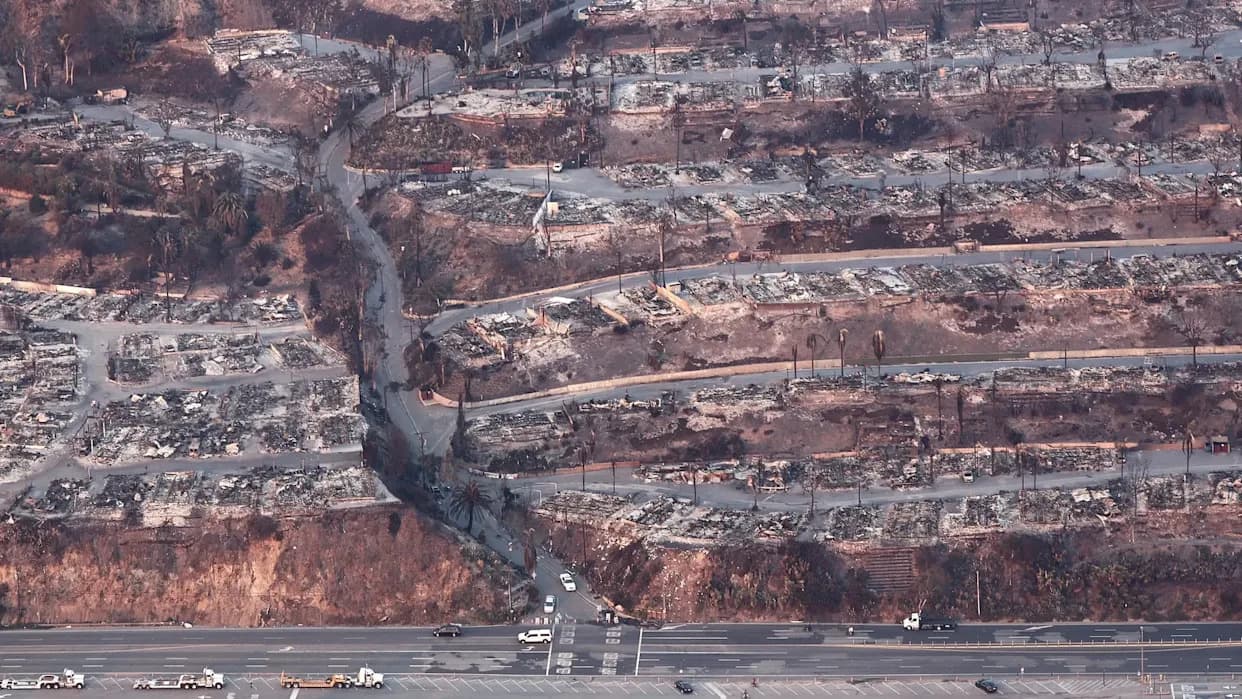
Mark Moses, in his book The Municipal Financial Crisis (2022), draws on three decades in California local government to identify systemic "scope creep" as a major driver of municipal fiscal strain. Rather than acting like steady, utility-like providers of essential services, many cities pursue roles as growth engines. That approach can leave core responsibilities—trash pickup, pothole repair, and public safety—underfunded and neglected.
Moses argues that budgeting should begin with a clear definition of scope: first decide what a city ought to do, then determine what it can afford. That order gives leaders a principled reason to say "no" to projects that fall outside core responsibilities. Without such limits, governments too easily fund initiatives driven by good intentions, temporary grants, political popularity, or consultant pitches.
Many programs touted as public goods may be better served by private actors, nonprofits, or partnerships. For example, municipal grocery stores have struggled in some cities; while access to food is vital, running retail operations is not necessarily a core municipal function. The same question applies to utilities, emergency shelters, and economic development ventures: does the public sector need to deliver them, or can alternatives serve residents more efficiently?
Practical priorities
Moses’s prescription is straightforward: municipal government should focus on creating the local socio-political conditions for residents to flourish—primarily by ensuring safety, reliable infrastructure, and the rule of law. When leaders keep that purpose central, they are less likely to chase every shiny, high-profile opportunity that promises prestige but not sustainable benefit.
Major events like the World Cup can bring excitement and temporary visitors, but cities should weigh those benefits against long-term obligations and opportunity costs. Smart governance requires clear boundaries, realistic projections, and a commitment to the fundamentals that sustain daily life for residents.
About the author: Patrick Tuohey is co-founder of the Better Cities Project and a senior fellow at the Show-Me Institute.
Help us improve.