Key Takeaway: The Congressional Budget Office found that military deployments to six U.S. cities cost about $496 million through December 2025. Continuing the end-of-2025 deployments would cost roughly $93 million per month, and mobilizing National Guard members is particularly costly—about $95,000 per person per year plus benefits. Beyond fiscal impact, critics warn such deployments risk civil liberties and can inflame political tensions.
Nearly $500 Million Spent on Troops in U.S. Cities in 2025, CBO Finds
Deploying Troops to U.S. Cities Cost Half a Billion Dollars in 2025
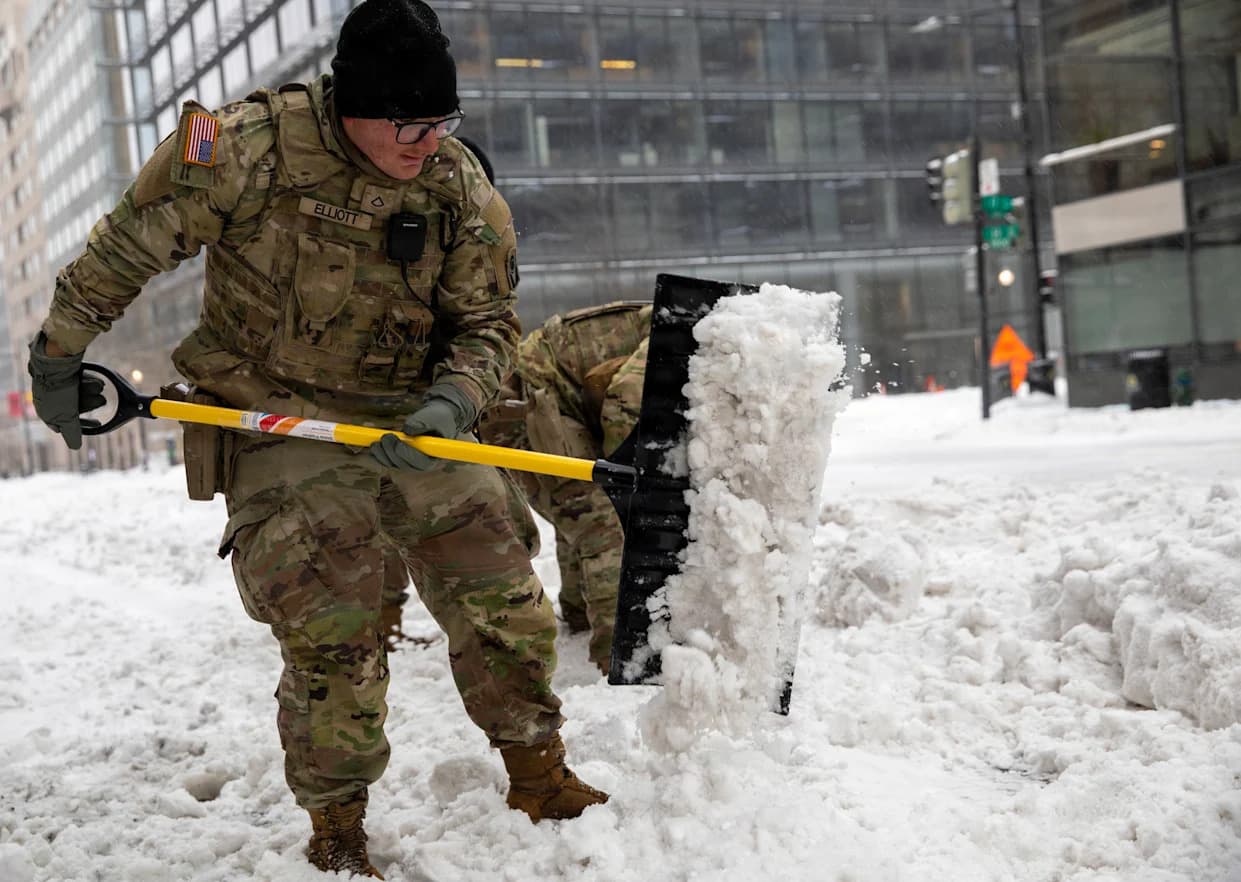
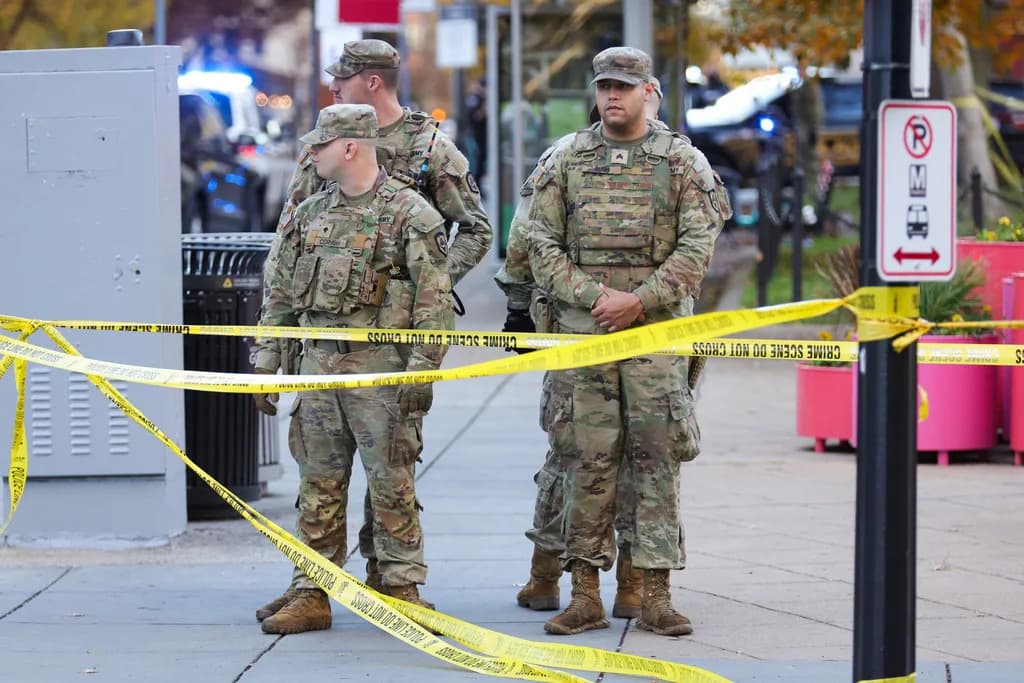
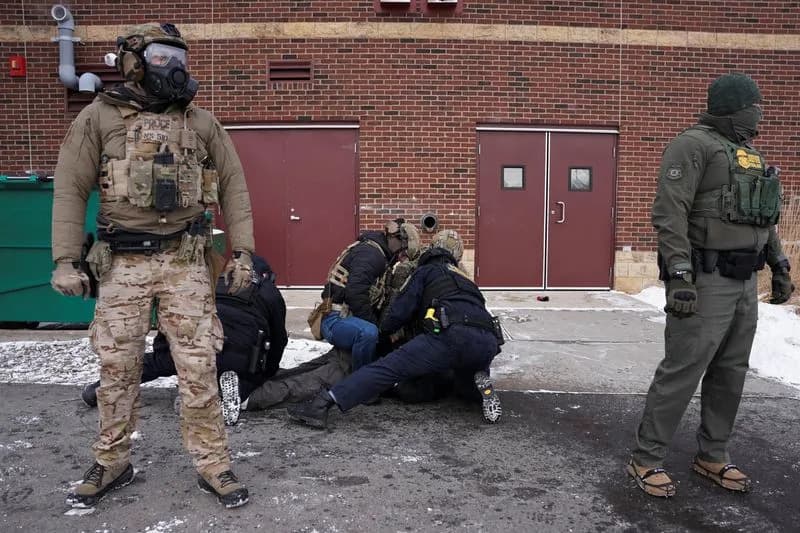
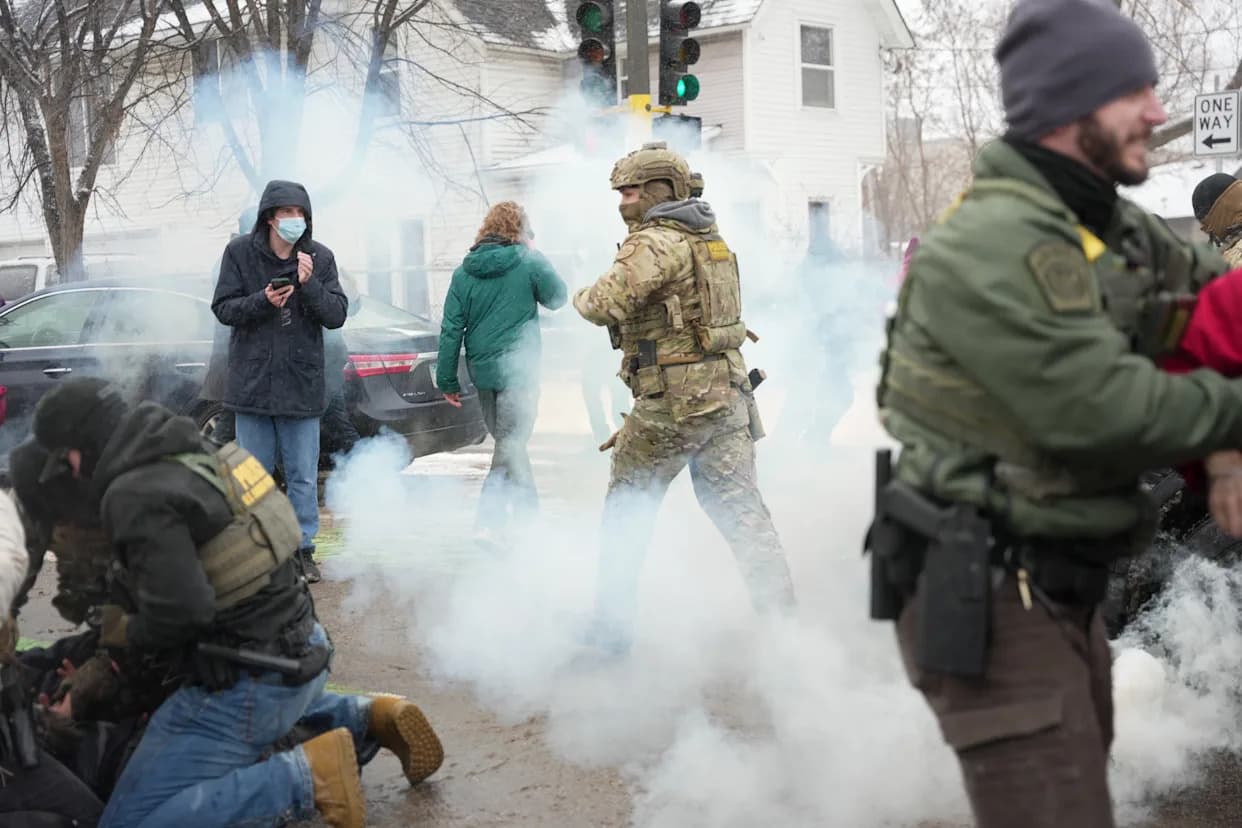
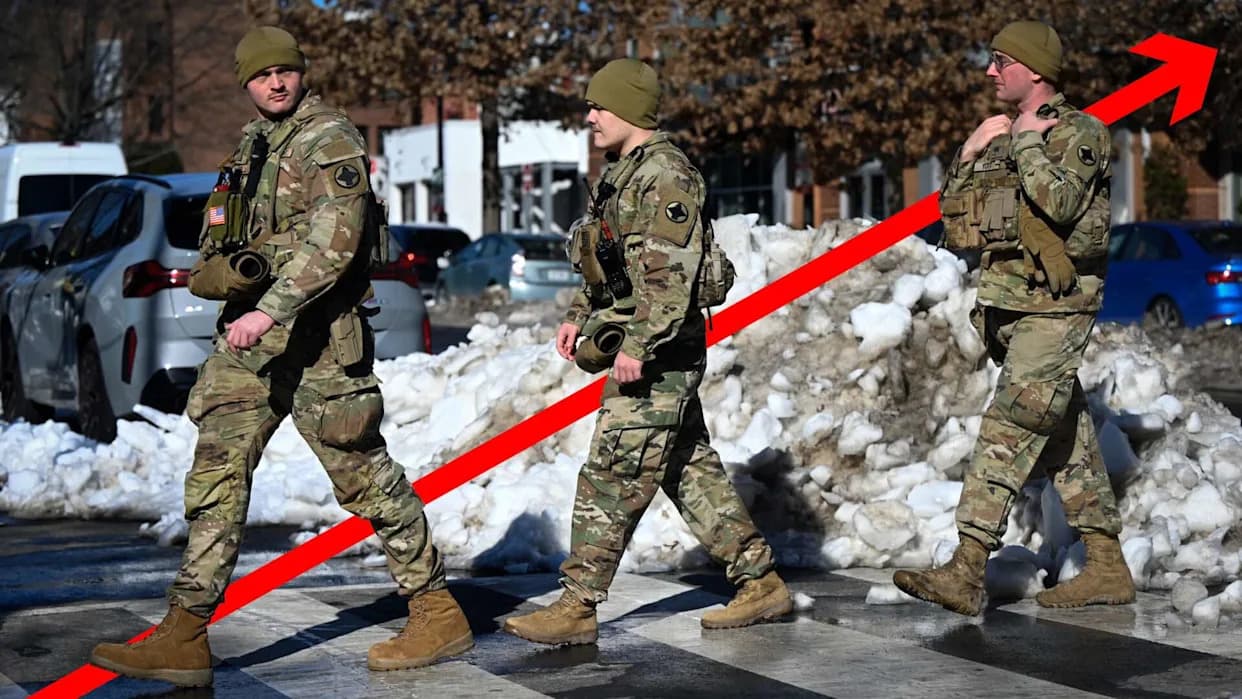
After threatening to invoke the Insurrection Act to deploy military forces against sometimes-violent protests in Minneapolis, the White House ultimately stood down plans to send additional troops into American cities. That decision reduced the immediate risk of wider street conflict and provided a financial respite for taxpayers: the Congressional Budget Office (CBO) estimates deployments in 2025 cost roughly $496 million through December.
Background
The federal government repeatedly sent or attempted to send National Guard and active-duty personnel to several U.S. cities amid heightened enforcement of immigration policy. Officials framed some actions as efforts to protect federal property and suppress crime, but critics argued deployments were also targeted at Democrat-led cities — including Los Angeles, Washington, D.C., Memphis, Portland, Chicago and New Orleans — and at times resembled political posturing.
Judicial Pushback
Courts reacted skeptically to these domestic military uses. A federal judge found that the deployment of National Guard and Marine forces in Los Angeles violated the Posse Comitatus Act, which limits domestic military roles. The U.S. Supreme Court also blocked a troop deployment to Chicago, citing narrow permissible uses of the military on U.S. soil. Those rulings added legal uncertainty that could affect both future deployments and their costs.
CBO Findings And Cost Breakdown
Responding to a request from Sen. Jeff Merkley (D–Ore.), the CBO reported: "Since June 2025, the Administration has deployed National Guard personnel or active-duty Marine Corps personnel to six U.S. cities..." and estimated those deployments (excluding a late-year New Orleans action) cost approximately $496 million through the end of December 2025.
The CBO noted projecting future costs is uncertain because estimates depend on the number of troops, length of deployment, local costs of living and legal developments. Using 2025 experience, the agency estimated that continuing the end-of-2025 deployments at their then-current size would cost about $93 million per month.
Key per-unit estimates from the CBO and Department of Defense materials include:
- Deploying 1,000 National Guard personnel to a U.S. city in 2026 would cost roughly $18 million–$21 million per month, varying mainly by city cost of living.
- Mobilizing a National Guard member to federal active duty raises costs by an estimated $95,000 per person per year (about $260 per day), reflecting pay and other personnel expenses.
- Health benefits for mobilized Guard members and their dependents add about $9,100 per person per year (roughly $25 per day).
- Maintaining nearly 3,000 personnel in high-cost Washington, D.C., was estimated at about $55 million per month.
Civil Liberties And Political Costs
Beyond the dollars, critics warn that using military forces in American communities poses risks to life, liberty and public trust. Fatal encounters between federal agents and civilians — including reported shootings such as those of Renee Good and Alex Pretti — underscore the danger of armed deployments in domestic settings. Deploying troops to patrol streets can create an occupation-like environment that diminishes civil freedoms and can escalate tensions rather than restore order.
Fiscal Context
At a time of rising federal deficits and a national debt above $38 trillion, the CBO’s figures spotlight the significant fiscal impact of domestic deployments. Pausing or limiting such operations reduces immediate budgetary pressure and the political costs associated with militarizing law-enforcement responses.
Conclusion
The CBO’s accounting shows that domestic military deployments are expensive and legally fraught. Policymakers weighing future use of troops in U.S. cities must consider both the substantial fiscal burden and the serious civil-liberty and public-safety implications of putting military forces on American streets.
Note: This article focuses on the facts and analysis in the CBO response and reported legal and political developments; promotional material and outlet branding have been omitted.
Help us improve.