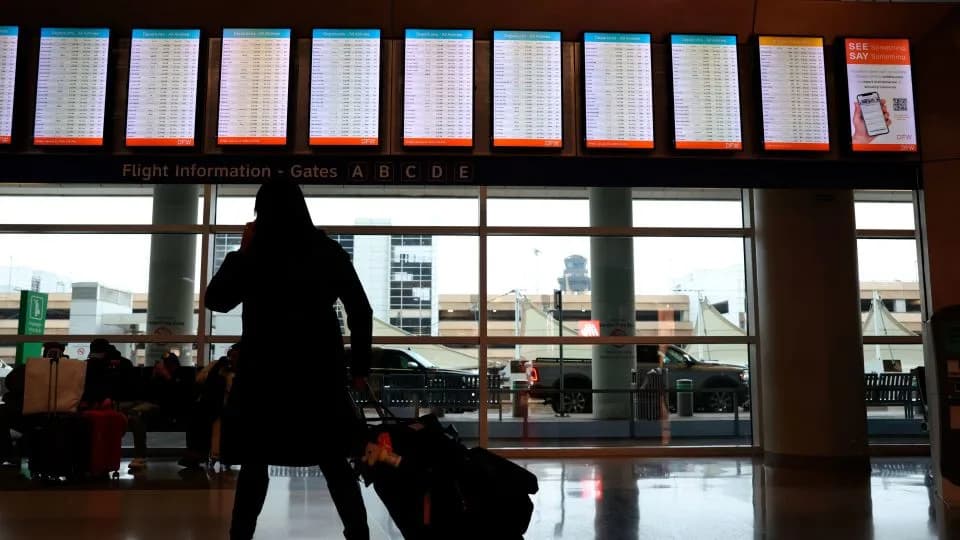
Flight and hotel bookings to North America jumped sharply after the 2026 World Cup match schedule was released in December, according to travel technology firm Amadeus. British travellers accounted for 18% of those flight reservations, and 37% of tournament-related bookings were made in the month following the draw.
Bookings Rise Despite Political Headwinds
European travel to the United States had softened following President Donald Trump's November 2024 election, as many visitors face increased scrutiny at border crossings. Still, Amadeus data and World Cup trackers show demand climbing, particularly among England and Scotland supporters.
Safety Concerns Temper Demand
A recent uptick in violence linked to ICE detentions in Minneapolis and reports of immigration raids across the U.S. have heightened safety worries for some travellers. The Amadeus dataset does not, however, clearly show whether those more recent enforcement actions have affected 2026 travel plans.
"The tournament is a chance to see the most talented football players in the world and fans will go almost anywhere to watch the finest, whatever the policies and politics of the host country," said travel analyst Paul Charles. "However, safety is a key factor too, so visitors will be hoping that calm prevails in host cities and that their travel insurance will remain valid for their planned trips."
Where Demand Is Concentrated
The largest single-day spike recorded by Amadeus was for the opening New York City match between Brazil and Morocco, which generated more than 2,500 flight bookings. Hotel demand is also rising in Mexico and Canada: average hotel occupancy in Mexico City on the nights before three planned matches was 21%, up from 4% a year earlier.
Context And Caution
Analysts caution that a major sporting event does not automatically translate into a broad tourism windfall for host countries — a point illustrated by the more muted travel impact after the 2024 Paris Olympics. With the World Cup running from June 11 to July 19, 2026 across the United States, Canada and Mexico, organisers and local authorities will be watching how safety concerns and insurance issues influence final travel decisions.