Thousands marched through Milan to protest the Milano Cortina Winter Olympics, focusing on rising rents and alleged environmental harm tied to Olympic projects. Demonstrators blamed a post‑2015 property boom, tax incentives for wealthy arrivals and Brexit‑driven relocations for pushing up living costs. Protesters carried cardboard trees to symbolise larches they say were felled for a €124 million bobsleigh track in Cortina; police estimated the march at more than 5,000 people.
Thousands March in Milan to Protest Olympics' Housing And Environmental Impact
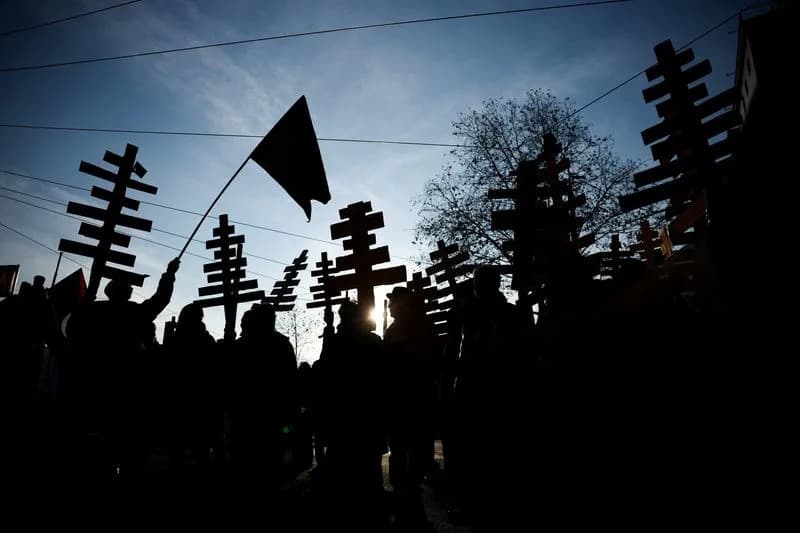
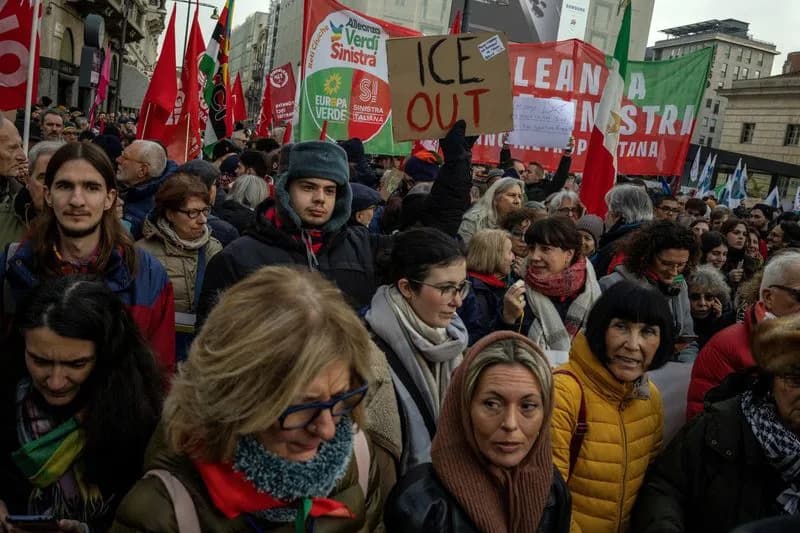
Demonstrators protest the environmental, economic and social impact of the Milano-Cortina 2026 Winter Olympics in Milan, Italy, February 7, 2026. REUTERS/Guglielmo Mangiapane
Thousands of people marched through Milan on Saturday to protest rising housing costs and environmental damage as the Milano Cortina Winter Olympics entered their first full day. The demonstration, organised by grassroots unions, housing‑rights collectives and social‑centre activists, sought to spotlight what protesters called an unsustainable urban model marked by soaring rents and growing inequality.
What Protesters Say
Activists say the Games cap a decade‑long property boom that began after Milan's 2015 World Expo. They blame a mix of factors — including tax incentives that attract wealthy new residents and Brexit‑linked relocations of professionals — for pushing up living costs and squeezing long‑time locals.
Some demonstrators also criticised Olympic spending as a misuse of public funds and pointed to infrastructure work they say has harmed mountain communities hosting events. At the front of the procession, roughly 50 people carried stylised cardboard trees to symbolise larches they say were cut down to build a new bobsleigh track in Cortina d'Ampezzo.
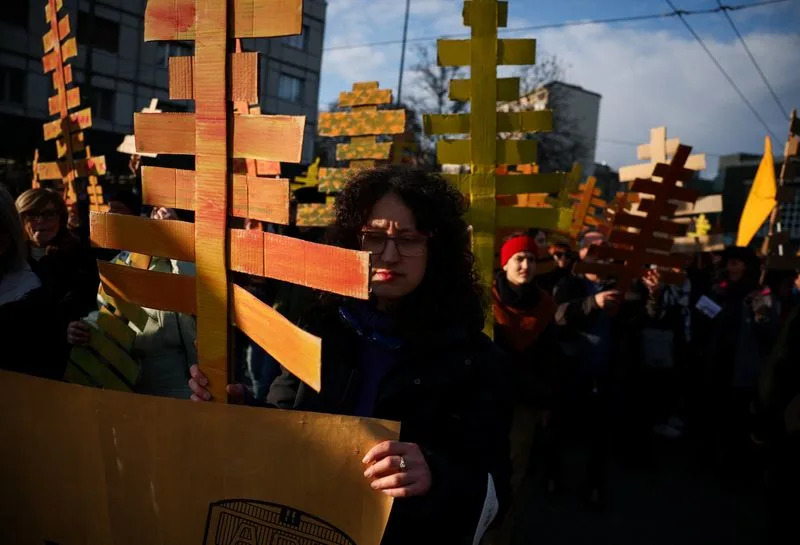
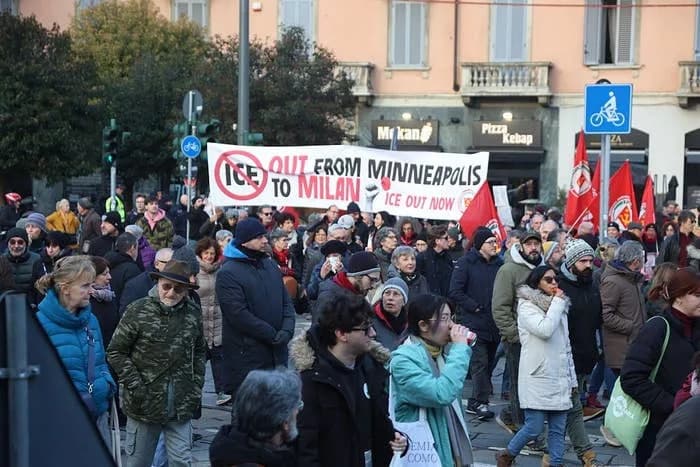
Demonstrators protest the environmental, economic and social impact of the Milano-Cortina 2026 Winter Olympics in Milan, Italy, February 7, 2026. REUTERS/Guglielmo Mangiapane
“I’m here because these Olympics are unsustainable — economically, socially, and environmentally,” said 71‑year‑old Stefano Nutini, standing beneath a Communist Refoundation Party flag.
Another banner read: “Century‑old trees, survivors of two wars... sacrificed for 90 seconds of competition on a bobsleigh track costing €124 million.”
Security, Size And Route
Police estimated more than 5,000 people took part in the march. Protesters set off from the Medaglie d'Oro central square and followed a nearly four‑kilometre (2.5‑mile) route that ended in Corvetto, a traditionally working‑class district in Milan's south‑east.
The march took place under tight security as Milan hosts world leaders, athletes and thousands of visitors for the global sporting event — including, as reported at the time, U.S. Vice President JD Vance.
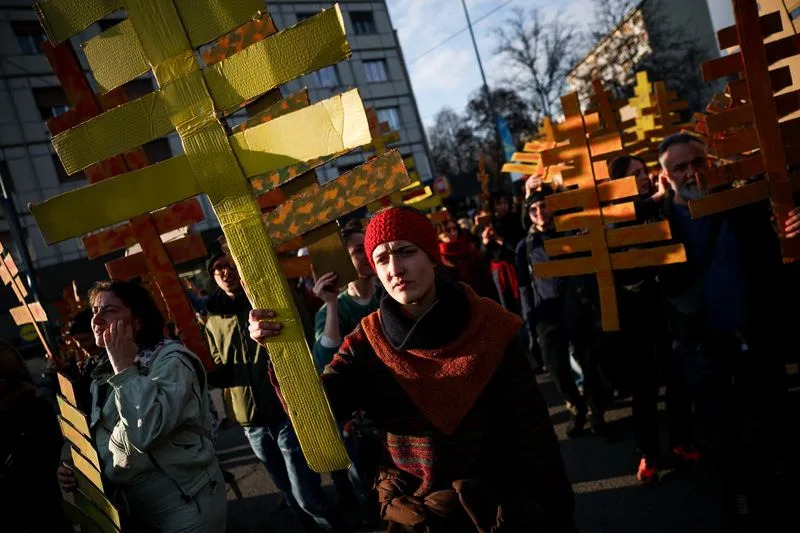
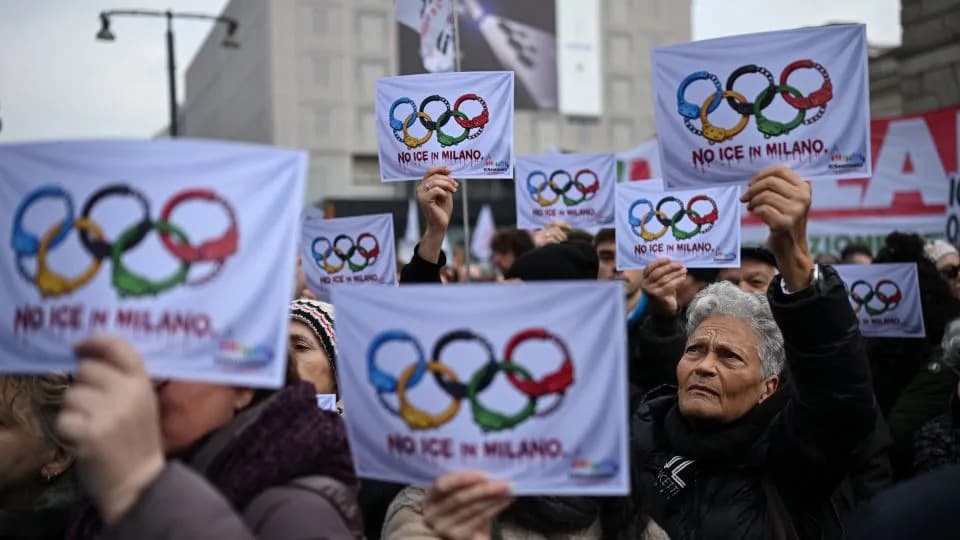
Demonstrators protest the environmental, economic and social impact of the Milano-Cortina 2026 Winter Olympics in Milan, Italy, February 7, 2026. REUTERS/Guglielmo Mangiapane
Context And Responses
The International Olympic Committee (IOC) argues the Games largely rely on existing facilities, presenting them as a more sustainable model. Protesters and local activists counter that recent infrastructure projects and spending choices have disproportionately affected mountain communities and local residents.
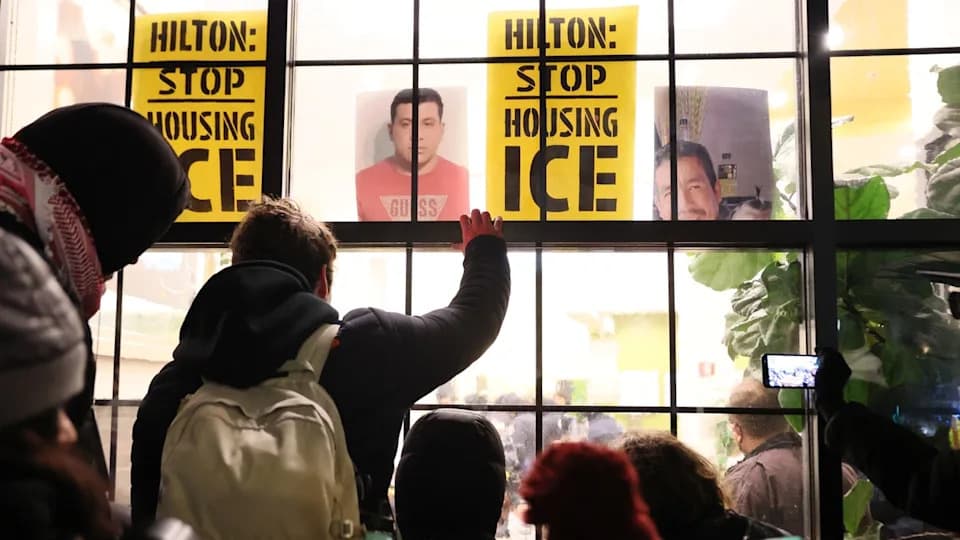
The Milan demonstration follows a week when a hard‑left rally in Turin turned violent: the interior ministry reported more than 100 police officers injured and nearly 30 protesters arrested. In the run‑up to the Games there have been other actions, including rallies denouncing the presence of U.S. ICE agents in Italy and protesting the social and economic costs of the Olympic project.
The protest in Milan combined symbolic imagery, grassroots organising and long‑running local grievances about housing and development — themes likely to remain part of the public debate as the Games continue.
Help us improve.