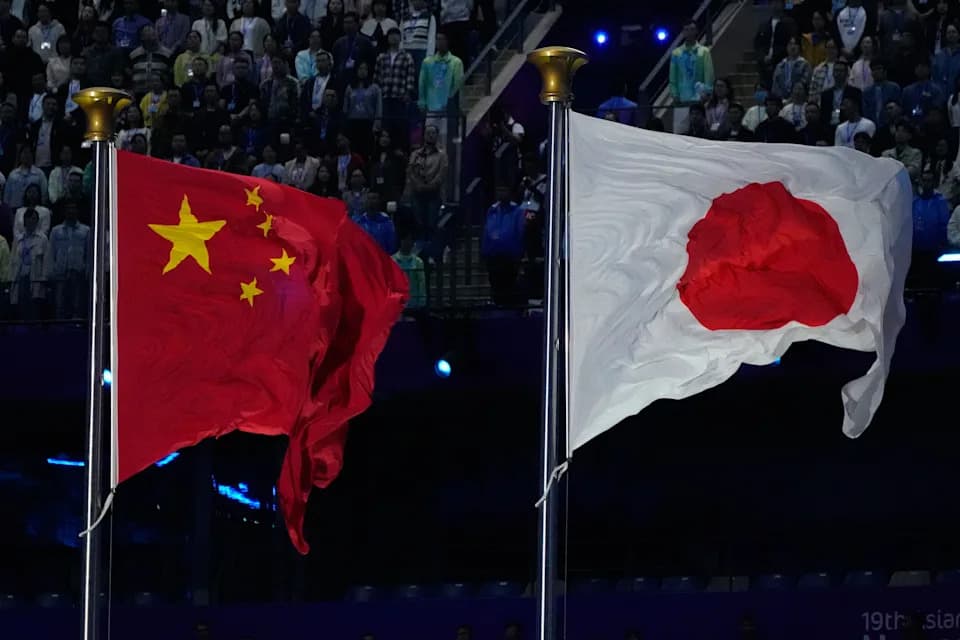
Sanae Takaichi’s energetic start as Japan’s prime minister — boosted by high approval ratings and high‑profile diplomatic outreach — faces two major threats: a diplomatic rift with China over her Taiwan remarks and mounting inflation after a $135 billion stimulus. Beijing’s travel warning and reported import curbs have economic consequences, while concerns about rising debt and a weaker yen risk fueling prices at home. Analysts say prolonged tensions or worsening economic pressure could rapidly erode her support and complicate prospects for the ruling party.
China Rift and Inflation Could Unravel Japan PM Sanae Takaichi’s Early Surge

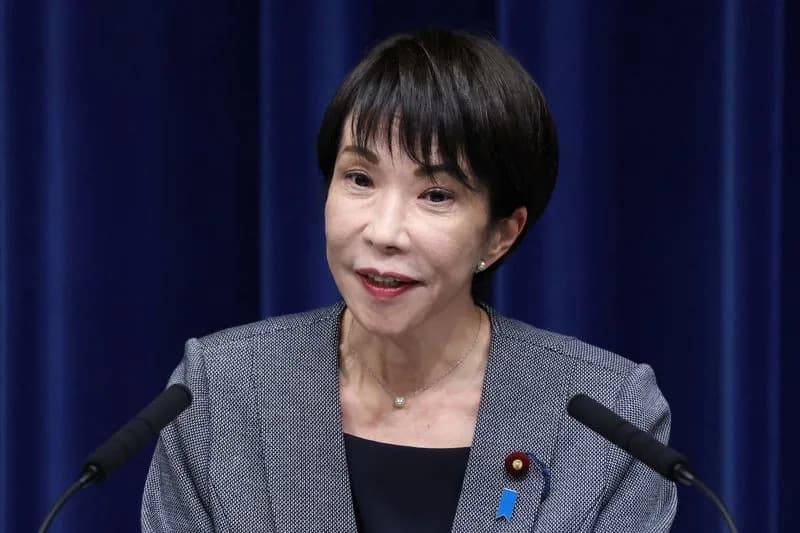
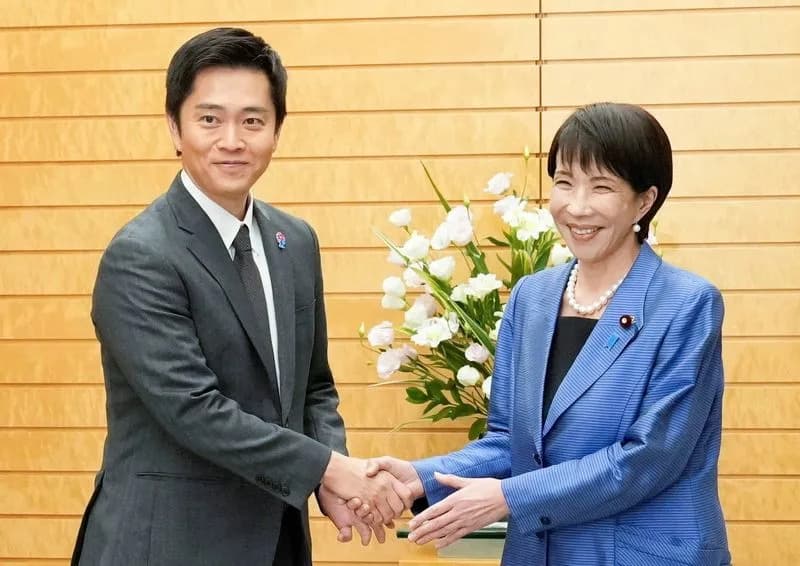
Japan’s new prime minister, Sanae Takaichi, has enjoyed a high-profile, whirlwind start: flattering a former US president, winning strong approval ratings and dominating headlines — even while admitting she sleeps only two to four hours a night. But analysts and voters warn her early momentum could be fragile. A diplomatic flare-up with China and rising inflation linked to a large stimulus package threaten to erode public support fast.
Public reaction and concerns
At a local festival, business owner Kozue Otsuka said she trusted the prime minister but hoped Japan–China relations would "gradually move in a better direction." Shigeru Fujita, who runs a gardening business, echoed a common anxiety: "What I am most worried about is the prime minister's remarks. China got really agitated because of that."
High-profile outreach
A week into her term, Takaichi met former US president Donald Trump and garnered praise for actively courting his support, even presenting a golf club that had belonged to the late former prime minister Shinzo Abe. Trump told her she would become "one of the greatest prime ministers." The encounter helped boost her visibility and approval.
Taiwan remarks and Beijing's backlash
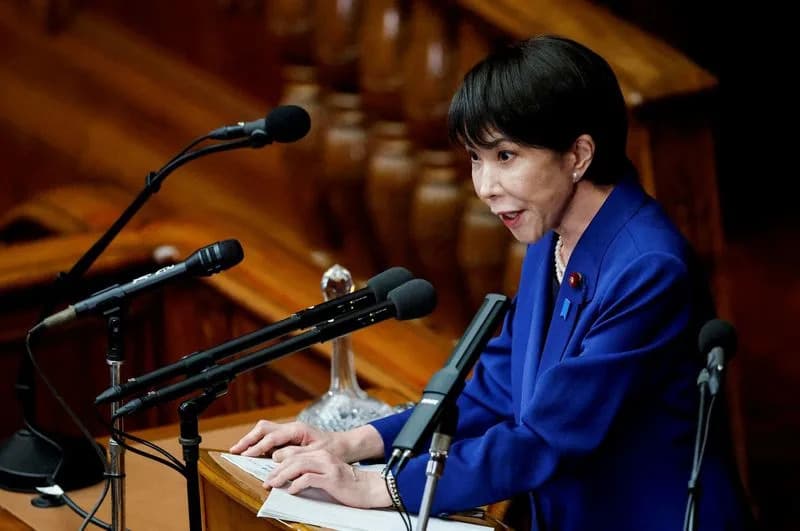
After attending regional summits, including APEC where she met China’s president, Takaichi stirred controversy with what were described as unplanned parliamentary remarks suggesting a Taiwan "emergency" could threaten Japan’s existence — comments some interpreted as implying possible Japanese military involvement. The reaction from Beijing was sharp: a diplomat reportedly used a vitriolic insult about Takaichi, Chinese authorities urged citizens to avoid travel to Japan, and media reports said some Japanese seafood imports were restricted.
“China still holds so many economic cards to punish Japan, but Japan has none,” said Margarita Estevez-Abe, an analyst at Syracuse University, warning that measures could include curbs on rare earth exports or other trade actions.
Economic gamble: stimulus, debt and the yen
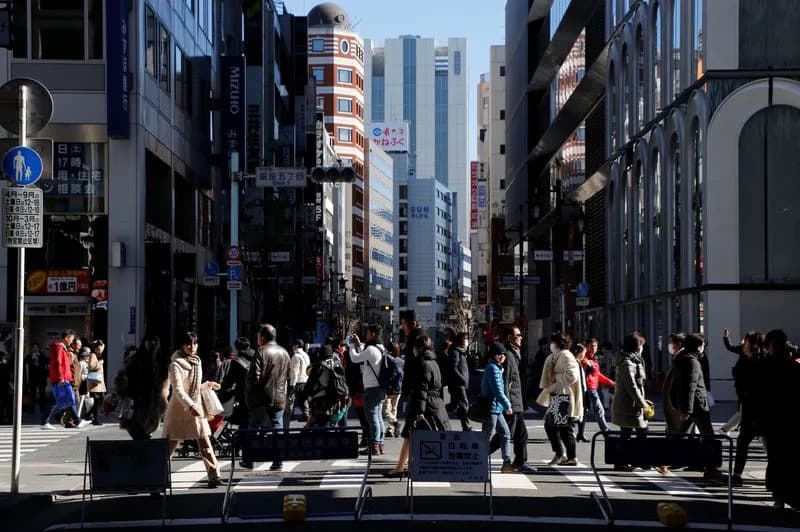
To shore up support, Takaichi unveiled a roughly $135 billion economic package containing cash handouts for parents and energy subsidies. While intended to blunt voter anger over rising prices and avoid the political fate of her predecessor, critics warn the plan will swell Japan’s already large public debt. Concern over fiscal health has contributed to a weaker yen, which in turn raises import costs and risks pushing inflation higher.
"Ordinary people are having it tough these days," said Kazuo Kaitsuka, a financial-services worker. "I worry future generations might have to deal with the consequences of the debt."
Popularity, politics and the tests ahead
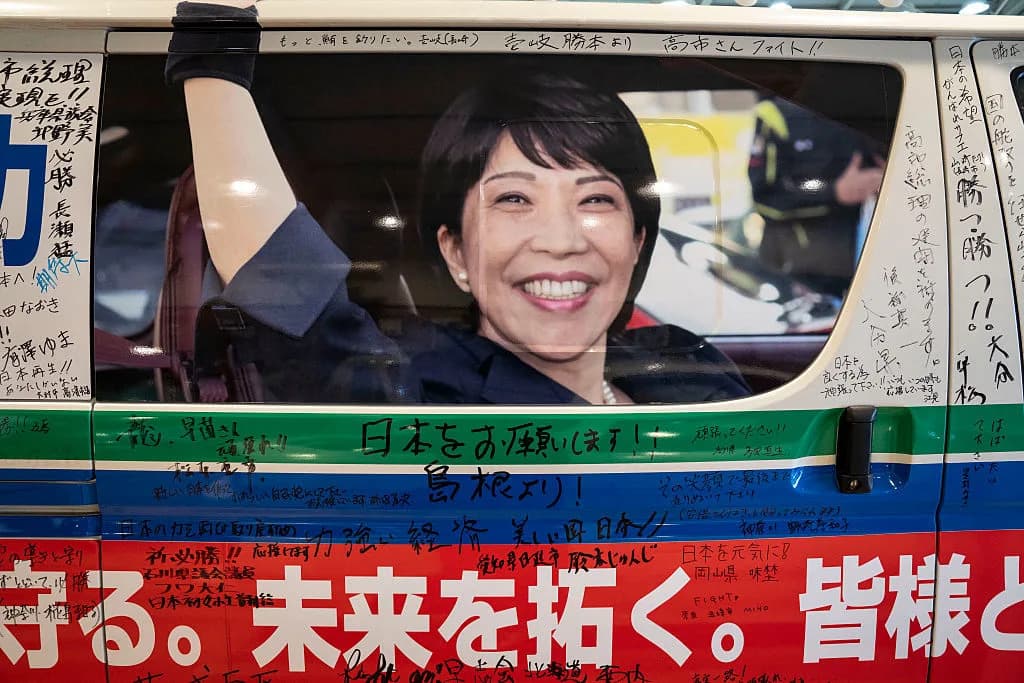
Recent polls put Takaichi’s cabinet approval in the low 70s percent range, and small cultural moments — including a surge of orders for a handbag she used — have helped sustain her image. Her popularity has prompted speculation about snap elections. But analysts caution that her ratings may be vulnerable if the diplomatic dispute with China drags on or if inflation and currency weakness worsen.
Tobias Harris of Japan Foresight noted that strong personal approval has not necessarily translated into broader support for the ruling party, warning that prolonged tensions could erode her standing within political circles.
For now, Takaichi’s early surge rests on a delicate balance: managing relations with an economically powerful neighbor while trying to stabilize prices at home. Missteps on either front could quickly shift public sentiment and reshape Japan’s political landscape.
Help us improve.