Mark Carney signed an MOU with Alberta to advance plans for a Pacific-bound oil pipeline aimed at increasing exports to Asia. The agreement sets a target for a formal project proposal by July 2026 and requires Indigenous consultation and options for co-ownership. Carney says the pipeline will be paired with the Pathways carbon-capture initiative, though environmentalists and many Indigenous groups remain opposed. The project faces political hurdles in British Columbia and is likely to draw sustained public and legal scrutiny.
Carney Advances Pacific-Bound Oil Pipeline to Boost Exports — Sparks Climate and Indigenous Concerns

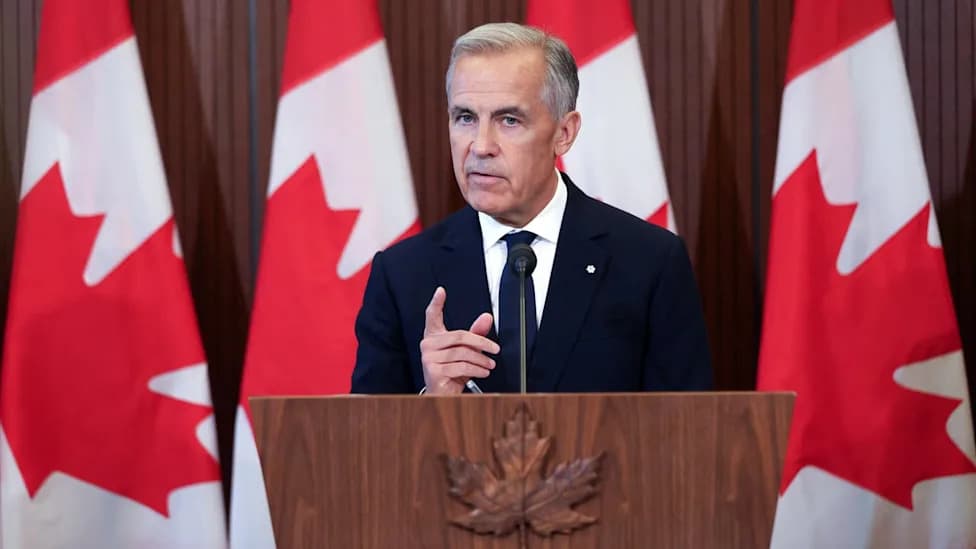
Canadian Prime Minister Mark Carney on Thursday signed a memorandum of understanding with Alberta's provincial government to advance planning for a new oil pipeline to Canada's Pacific coast. The project is designed to expand exports to Asia as part of a broader strategy to diversify trade amid uncertain relations with the United States, but it has prompted sharp criticism from environmentalists, Indigenous leaders and some members of Carney's own party.
What the agreement contains
The MOU establishes a planning process that targets a formal project proposal by July 2026. It requires consultation with Indigenous groups and includes provisions for Indigenous co-ownership of any infrastructure. The proposed route would cross British Columbia to reach a Pacific terminal; however, B.C.'s provincial government was not a signatory and could present political and regulatory obstacles.
Climate, carbon capture and controversy
Carney — who served as a U.N. climate envoy before entering Canadian politics — defended the initiative as compatible with emissions-reduction efforts, saying the pipeline would be paired with the Pathways carbon-capture project. "The way we're going to do that is in combination with the Pathways Project, which will be the largest carbon capture project in the world," he said. The Intergovernmental Panel on Climate Change (IPCC) recognizes carbon capture as one tool to reduce emissions, but critics warn it can be used to justify continued fossil fuel production.
Political context and reactions
The deal represents a shift in direction for Carney's Liberals and a move to mend ties with Alberta's conservative Premier Danielle Smith, who has criticized previous federal policies for constraining the province's economy. Observers say the pact is also a response to shifting global trade dynamics and concerns about Canada-U.S. economic ties under President Donald Trump.
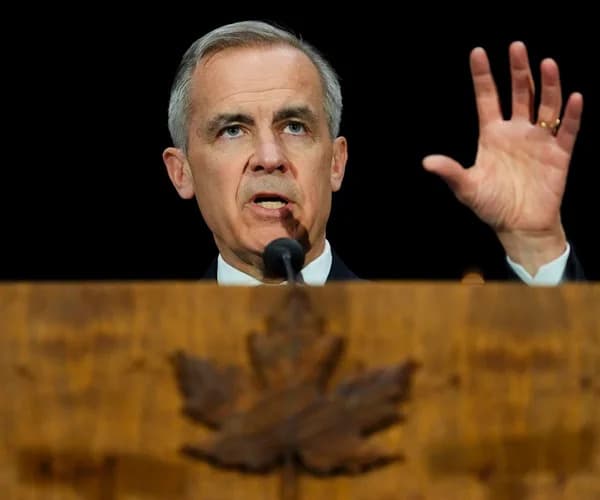
"At the core of the agreement, of course, is a priority to have a pipeline to Asia," Carney said at the signing.
Next steps and outlook
Actual construction remains uncertain and contingent on regulatory approvals, Indigenous partnerships and political buy-in — particularly from British Columbia. While the MOU sets a timeline for a proposal by July 2026, environmental groups and many Indigenous communities have historically opposed large-scale oil projects, and the plan will likely face sustained legal, political and public scrutiny.
The agreement frames the pipeline as an economic strategy to strengthen Canada's access to Asian markets, but whether it will proceed depends on reconciling competing priorities: economic diversification, Indigenous rights and Canada's climate commitments.
Help us improve.