The MSC ELSA-3 sank off Kerala on May 24 with 640 containers, including 13 carrying calcium carbide that can produce flammable acetylene if it contacts water. NIO surveys found petroleum hydrocarbons in deep-water samples, a deformed dead turtle, low-oxygen coastal zones and large Noctiluca algal blooms; about 357 tonnes of nurdles washed ashore. The containers rest about 3,000 metres deep and could corrode and leak for years. Authorities plan an initial report in December and a full impact assessment by July 2026, while Kerala develops an oil-spill contingency plan.
Kerala shipwreck: Oil, nurdles and hazardous cargo threaten marine life — fishers say they’ve been abandoned
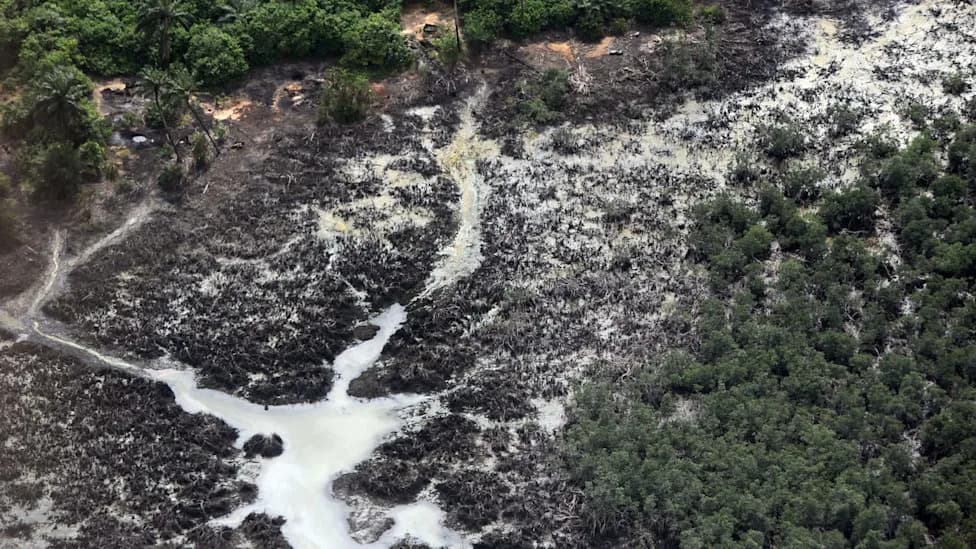
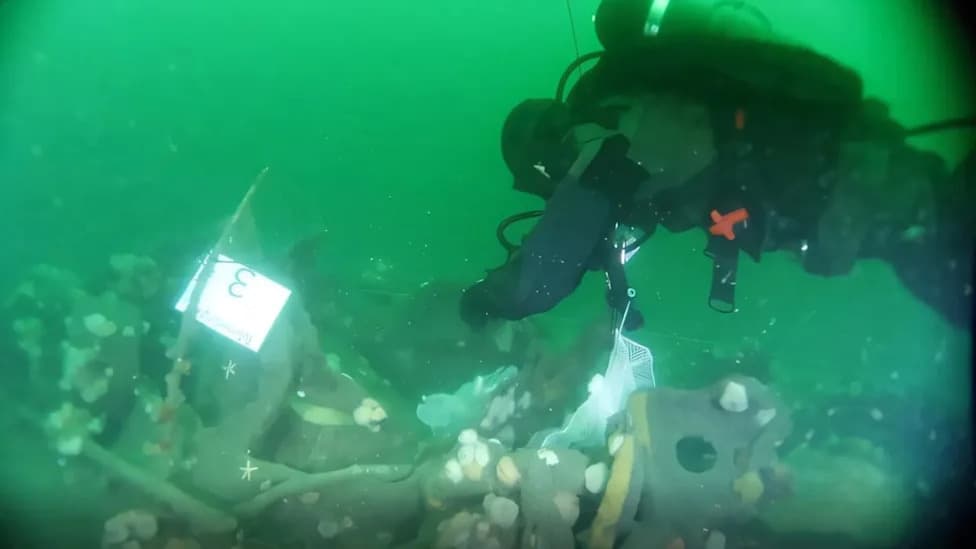
On May 24 the container ship MSC ELSA-3 sank off the coast of Kerala while carrying 640 containers, 13 of which contained hazardous material that reacts with water. Since the wreck, scientists and local communities have documented oil contamination, massive plastic pollution, algal blooms and dead or deformed marine life, raising fears of long-term ecological and economic damage.
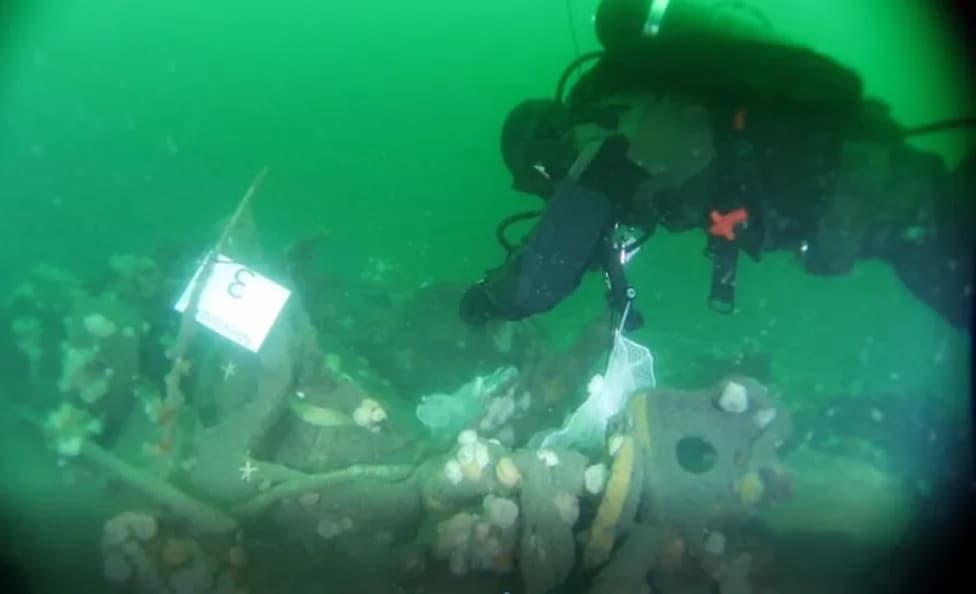
Between late July and late August, the National Institute of Oceanography (NIO) surveyed the wreck site and surrounding waters. Researchers detected petroleum hydrocarbons in deep-ocean samples taken on May 25, recorded multiple coastal locations with low dissolved oxygen, and found a dead turtle with visible deformities near the wreck. These findings point to both acute and ongoing stress on the marine environment.
Along the coast from Kollam to Kozhikode, large blooms of bioluminescent plankton (Noctiluca) appeared, discoloring the water and indicating ecosystem imbalance. Volunteers and government teams later collected roughly 357 tonnes of tiny plastic production pellets—known as nurdles—that washed ashore and drifted over long distances. These pellets are lightweight, spread widely, and required months of coordinated cleanup.
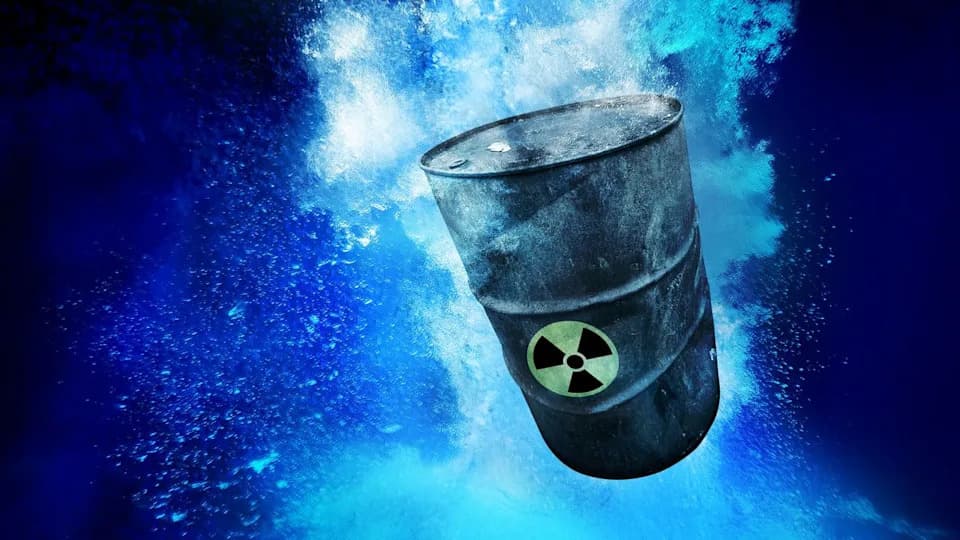
The 13 hazardous containers reportedly hold calcium carbide. When calcium carbide contacts water it produces acetylene, a highly flammable gas; the containers now rest at an estimated depth of about 3,000 metres and could corrode and leak over years, creating prolonged hazards to the ocean and coastal communities.
Why this matters: Oil fouling can coat and suffocate marine animals, damage insulating and respiratory tissues, and reduce reproductive success. Nurdles absorb toxic chemicals and break down into microplastics that are eaten by fish and seabirds, increasing contamination risks through the food chain and threatening fisheries and seafood exports. Low-oxygen (hypoxic) coastal zones—already present at multiple points—become more lethal for marine life when combined with this pollution.
“Everyone seems to be turning a blind eye. There's no serious discussion on corporate responsibility or relief. The fisherfolk are being abandoned,”
— Jackson Pollayil, Secretary, Kerala Swathanthra Matsya Thozhilali Federation
The NIO plans to publish an initial detailed report in December and expects to complete a full environmental impact assessment by July 2026. In August the Kerala government contracted a consulting firm to prepare an eight-month Oil Spill Contingency Plan intended to improve early detection and state preparedness for future maritime incidents.
What coastal communities can do
Residents and visitors can join organized beach cleanups, support policies that require shipping companies to cover environmental damages, and reduce their use of single-use plastics to lower demand for the pellets that pollute beaches. Authorities and industry are being urged to accelerate monitoring, containment and long-term remediation planning to protect fisheries, livelihoods and coastal ecosystems.
Help us improve.