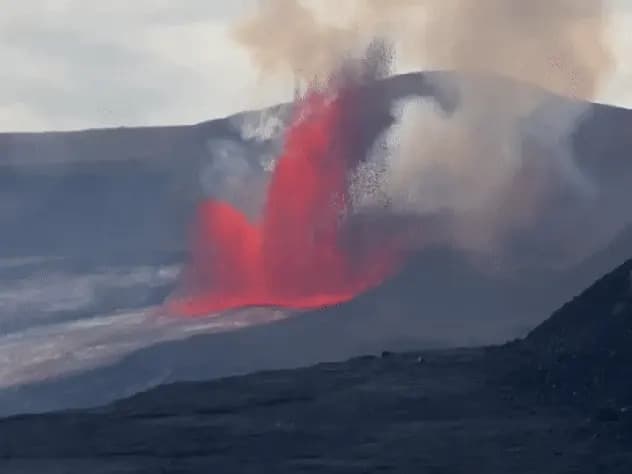
Researchers report in Science that shear forces inside volcanic conduits can create and merge gas bubbles deep in rising magma, forming channels that vent gas slowly and prevent explosive eruptions. Lab experiments using a CO₂-saturated viscous fluid reproduced the effect, showing how early bubbling can relieve pressure before it builds. The mechanism helps explain historical cases such as Quizapu’s vast 1846–47 lava flow and the slow lava seen inside Mount St. Helens months before its 1980 blast. Including shear effects in volcano models may improve eruption forecasts and hazard assessments.
Why Some Volcanoes Ooze Instead of Exploding: Shear Forces Can Let Gas Escape

Volcanic eruptions don’t always follow the “bottle of champagne” model in which gas bubbles form as magma rises and drive rapid, explosive eruptions. In some volcanoes, thick, gas-rich magma can instead pour out as slow, viscous lava. New research published in Science identifies a mechanism—shear-driven bubble formation in the conduit—that can vent gas gradually and prevent catastrophic explosions.
Historical puzzles: Quizapu and Mount St. Helens
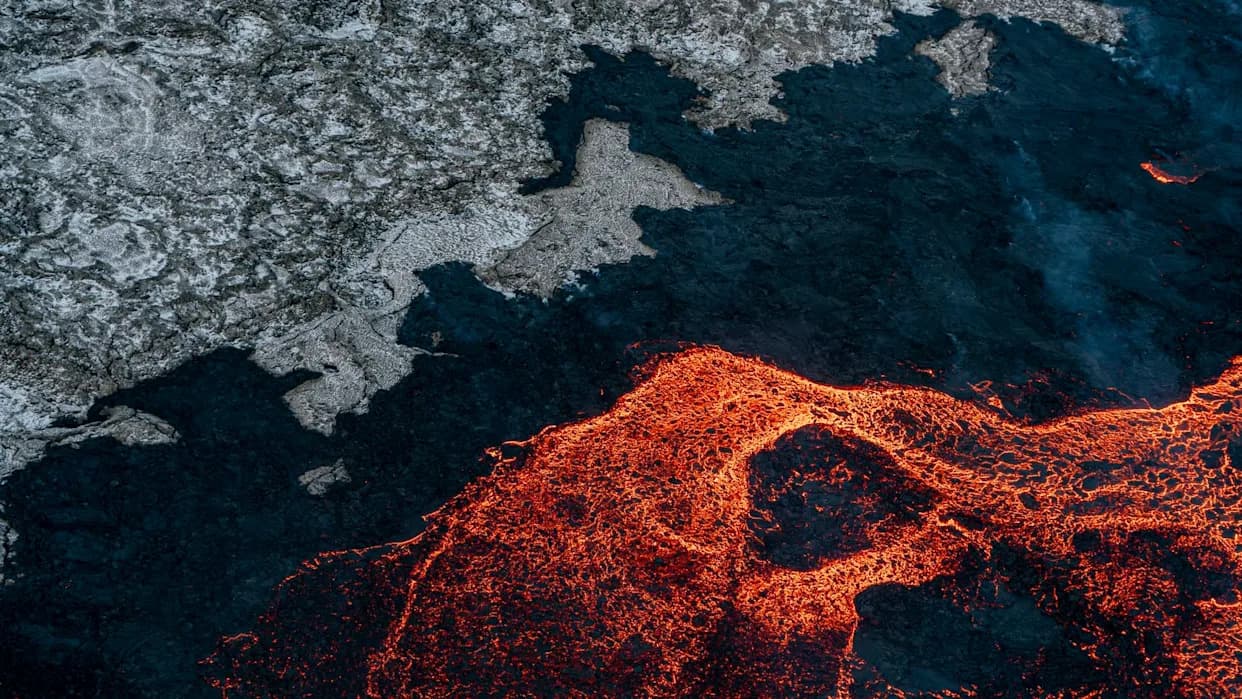
Between 1846 and 1847, Chile’s Quizapu produced one of South America’s largest documented lava flows, spreading rock over roughly 20 square miles in a gentle outpouring rather than an explosive blast. Similarly, months before Mount St. Helens’ catastrophic 1980 eruption, gas-charged lava that appeared primed to explode moved slowly inside the volcano’s cone. The major blast occurred only after an earthquake and associated avalanche removed the mountain’s north flank, rapidly releasing trapped pressure and allowing magma to surge upward.
How shear vents gas deep inside the conduit
The new study shows that differences in flow speed between the conduit walls and the center—known as shear—can promote bubble formation deep within the conduit that carries magma from an underground reservoir to the surface. These bubbles can coalesce into connected channels that let gas escape before pressure builds enough to trigger an explosive eruption. The authors compare the effect to stirring honey: friction slows the liquid near the jar’s edge while the center moves faster, and that shear "kneads" the fluid and helps generate bubbles.
"We can therefore explain why some viscous magmas flow out gently instead of exploding, despite their high gas content—a riddle that's been puzzling us for a long time," said study co-author Olivier Bachmann, volcanologist at ETH Zürich.
Laboratory evidence and implications
In lab experiments, the researchers saturated a viscous fluid that mimics magma with carbon dioxide and applied shear. Under these conditions, bubbles formed and merged, producing pathways that allowed gas to escape gradually. This physical demonstration supports the idea that conduit-scale flow dynamics can strongly influence whether an eruption is effusive (flowing) or explosive.
Incorporating shear-driven degassing into volcanic models could improve forecasts of eruption style and hazard assessments by accounting for internal flow forces that affect gas escape. Understanding these mechanics helps explain historical eruptions and refines how scientists assess volcanic risk.
Help us improve.