Summary: The Dominican Republic has granted the United States temporary, limited access to restricted areas at San Isidro Air Base and Las Américas International Airport to support anti-drug operations. The arrangement allows refueling, movement of equipment and personnel, and use of KC-135 tankers and C-130s for patrol support, medevac and disaster relief. Officials stressed the agreement is technical and respects Dominican sovereignty. Analysts note the strikes tied to these operations have caused at least 83 deaths and may also exert pressure on Venezuela.
Dominican Republic Grants Limited U.S. Access to Restricted Airfields to Boost Anti-Drug Operations

SAN JUAN, Puerto Rico — Dominican Republic President Luis Abinader announced Wednesday that he has authorized limited, temporary U.S. operations within restricted areas at San Isidro Air Base and Las Américas International Airport to strengthen efforts against drug trafficking.
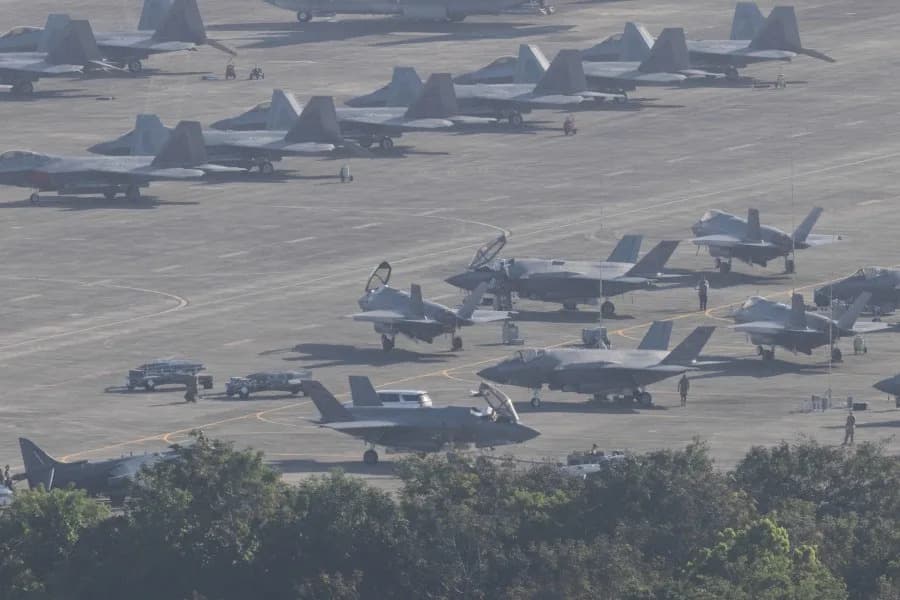
Under the agreement, U.S. forces are permitted to refuel aircraft and transport equipment and technical personnel within those restricted zones. The announcement was made alongside U.S. Defense Secretary Pete Hegseth during his visit to Santo Domingo, where he met with President Abinader and Defense Minister Lt. Gen. Carlos Antonio Fernández Onofre.
Scope and capabilities
The presidential office described the arrangement as "technical, limited, and temporary." It said KC-135 tanker aircraft would support air-patrol missions by extending surveillance and interdiction reach over a broad maritime and air domain and by refueling partner aircraft to sustain operations. C-130 Hercules cargo planes would be available for aeromedical evacuations, firefighting, weather reconnaissance and disaster relief.
“The purpose is clear: to strengthen the air and maritime protection ring maintained by our Armed Forces, a decisive reinforcement to prevent the entry of narcotics and to strike a more decisive blow against transnational organized crime,” President Abinader said.
Hegseth said U.S. personnel and aircraft preparing to deploy would respect Dominican laws and sovereignty, though he declined to provide further operational details. He praised the Dominican Republic as a regional leader willing to confront difficult security challenges.
Context and regional reaction
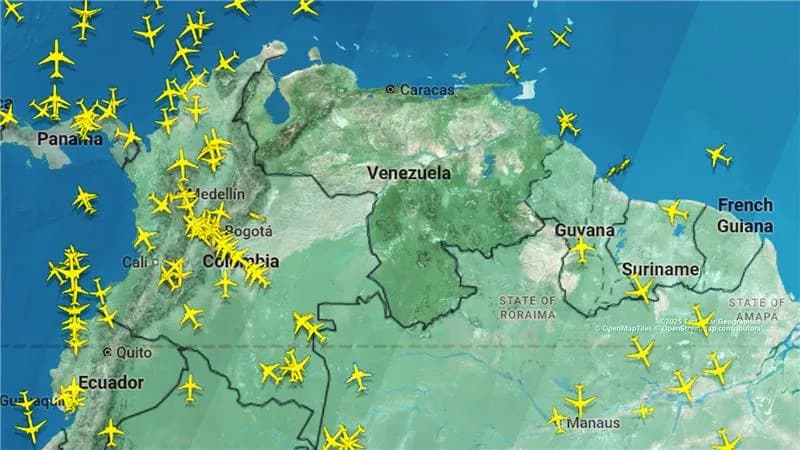
The announcement is the first major public agreement of its kind between the United States and a Caribbean country in connection with recent U.S. strikes against suspected drug-smuggling vessels. Since those strikes began in early September, at least 83 people have reportedly been killed. Some analysts say the campaign may also be intended to increase pressure on Venezuelan President Nicolás Maduro.
Hegseth's visit followed a meeting by Gen. Dan Caine, chairman of the Joint Chiefs of Staff, with Trinidad and Tobago Prime Minister Kamla Persad-Bissessar. Persad-Bissessar has publicly supported the strikes but denied that Trinidad and Tobago was being asked to host a base or to launch operations against Venezuela. She said U.S. marines had recently conducted infrastructure work and training in the country.
Earlier this year, the United States also approached Grenada with a request to install a temporary radar at its international airport; Grenadian Prime Minister Dickon Mitchell told Parliament that any such decision would be transparent and would comply with domestic and international law. No public update has been issued on that request.
The Dominican government emphasized close cooperation with the United States has helped increase interdictions: Abinader said the country has seized nearly ten times more drugs per year in the past five years than in the previous decade thanks to closer collaboration.
Several details of the operational arrangements remain limited publicly, and the agreement is presented by both governments as focused on reinforcing maritime and aerial monitoring to disrupt transnational narcotics networks while respecting sovereignty and legal frameworks.
Reporting note: Some material in this version is drawn from statements by officials and public briefings during the visit.
Help us improve.