Colombia will deploy drones to spray coca fields with herbicide starting Thursday as part of a bid to combat record cocaine production. The move follows a 2015 ban on aerial fumigation after health concerns about glyphosate, and complements intensified manual eradication by the military. The UNODC estimates about 261,000 hectares of coca were planted in 2024. Officials say drones will operate within 1.5 meters of targets and can treat roughly one hectare every 30 minutes.
Colombia Deploys Drones to Spray Coca Fields as Cocaine Output Hits Record Levels

FILE - A coca crop is visible on the outskirts of Puerto Asis, Colombia, Nov. 26, 2025. (AP Photo/Ivan Valencia, File)
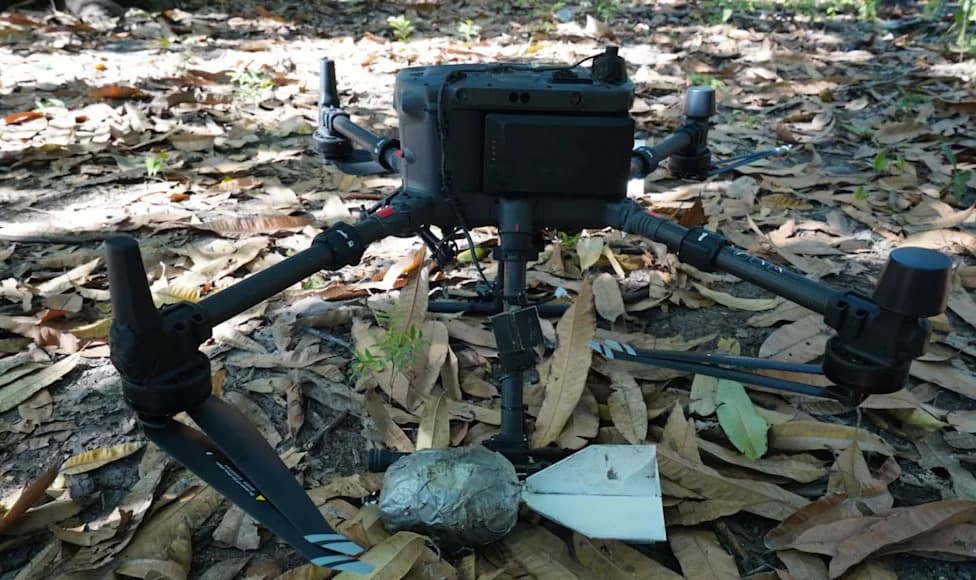
BOGOTÁ — Colombia announced Monday that it will deploy high-tech drones to resume targeted spraying of coca crops with a herbicide, a move aimed at curbing record levels of cocaine production and weakening armed groups that profit from the trade.
What Officials Say
Justice Minister Andrés Idárraga said the government approved the drone program and that operations would begin on Thursday. He said the drones will be used in areas where armed gangs and rebel groups coerce farmers to cultivate coca. “Our security forces will be safer,” Idárraga said, describing the operation as a controlled, more precise approach that reduces environmental exposure.
How the Program Will Work
According to officials, each drone will spray at close range — no farther than 1.5 meters (about 5 feet) from its targets — to minimize drift onto legal crops and water sources. The government estimates that a single drone can treat roughly one hectare of coca every 30 minutes under optimal conditions.
Background And Rationale
Colombia halted aerial fumigation in 2015 after the World Health Organization’s cancer agency classified glyphosate as a probable carcinogen, and since then relied on manual eradication campaigns carried out by soldiers. Environmental groups had also criticized fixed-wing spraying for contaminating crops and waterways. Without aerial spraying, coca cultivation expanded in remote, hard-to-reach areas where plantations are often protected by armed groups and land mines.
Scope And Impact
The United Nations Office on Drugs and Crime (UNODC) estimates that in 2024 some 261,000 hectares (about 645,000 acres) in Colombia were planted with coca — nearly double the area recorded in 2016. The government says the drone program is intended to complement manual eradication and law-enforcement efforts to reduce cultivation and the power of criminal groups.
Political And International Context
The proposal to use drones was first raised in 2018 but stalled amid interagency and congressional disagreement. Colombia’s current administration initially rejected large-scale aerial fumigation, arguing that impoverished farmers need viable legal alternatives. This year the government has taken a firmer stance against illegal armed groups financed by the drug trade.
Relations with Washington have been strained over coca and cocaine production. U.S. officials have criticized Colombia’s policies, at times taking punitive steps such as sanctions or public designations that affect military and economic cooperation. President Gustavo Petro has rejected claims that his administration tolerates drug traffickers, saying Colombian security forces are intercepting record quantities of cocaine even as cultivation rises.
Considerations: Authorities say the drone approach aims to limit environmental harm and increase operator safety, but critics warn that any chemical eradication carries risks for ecosystems and communities and underscored the need for alternatives for farmers.
Help us improve.