Since the Nov. 27, 2024 truce, Lebanon has been trapped in a one‑sided cease‑fire in which Israel retains freedom of action along the southern border while Hezbollah has largely avoided major retaliation and focused on regrouping. U.S.‑led financial pressure has tightened the group's access to dollars, prompting shifts toward cash, gold and informal transfer networks. Analysts warn that without changes in U.S. and Israeli policy or meaningful reciprocal steps, the situation risks wider escalation and the further weakening of Lebanon's fragile stability.
One‑Sided Truce Leaves Lebanon Exposed — Analysts Warn of Risk of Wider War

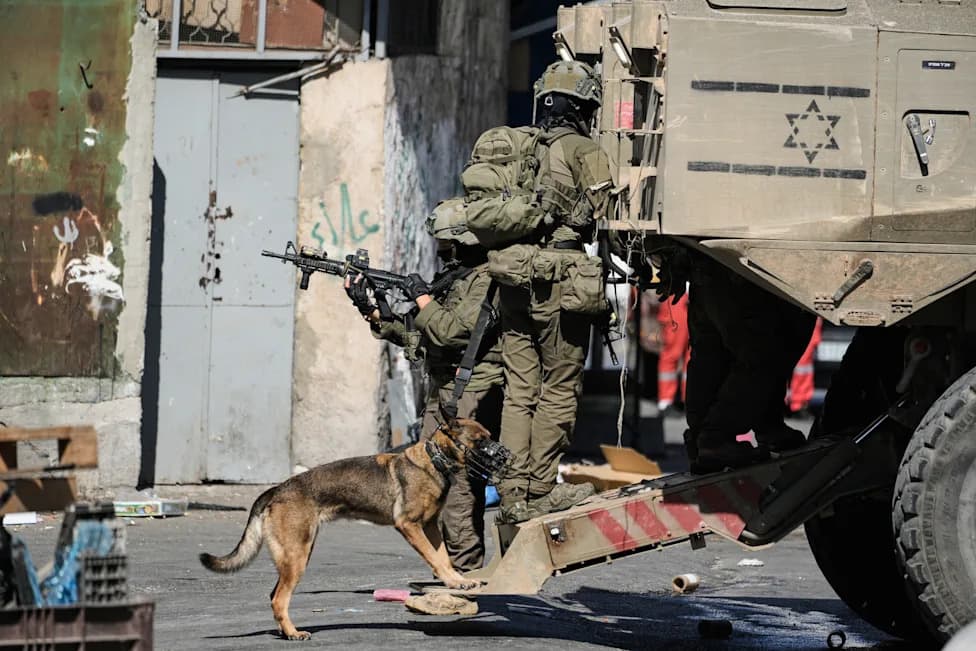
Since the Nov. 27, 2024 truce, Lebanon has remained trapped in a fragile, one‑sided cease‑fire that has failed to end hostilities or secure reciprocal concessions. Israeli forces have operated with near‑total freedom along the southern border, carrying out frequent strikes on sites and individuals they say are linked to Hezbollah. Those strikes have caused additional destruction and civilian casualties, while Hezbollah—severely weakened after opening a front for Gaza on Oct. 8, 2023—has largely avoided large‑scale retaliation and focused on regrouping.
What has happened on the ground
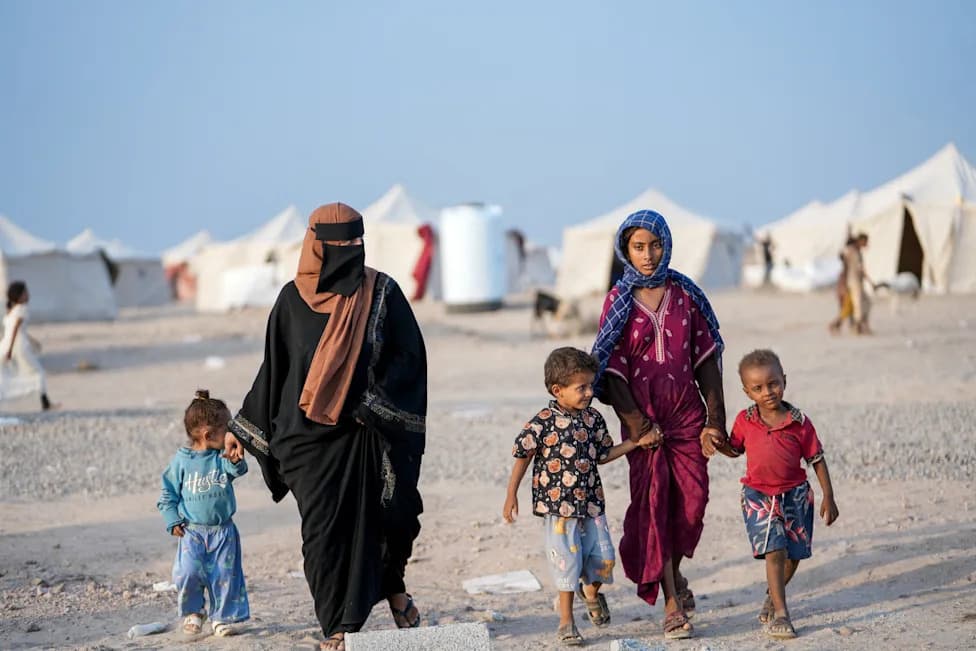
Lebanon says its efforts to disarm armed groups and remove military presence from the border and south of the Litani River were not matched by reciprocal Israeli steps. Beirut has repeatedly demanded that Israel withdraw from five strategic positions inside southern Lebanon, release Lebanese detainees taken during the war, permit the return of displaced residents and allow reconstruction — requests that, according to Lebanese officials and analysts, have gone largely unanswered.
Occupational moves and international oversight
U.N. peacekeeping observers have reported that Israel has constructed concrete barriers that cross the U.N.‑demarcated Blue Line into Lebanese territory, a development some analysts view as evidence of longer‑term territorial ambitions. Negotiations between Israel and neighboring countries on security arrangements have so far yielded limited results, and direct Israeli‑Lebanese talks appear unlikely in the near term.
Hezbollah’s posture and adaptation
Hezbollah refrained from renewed large‑scale attacks in the past year, instead trying to reconstitute ranks, secure new supply channels and preserve its deterrent capacity. "It is a battle where sometimes the enemy succeeds and other times fails," said Kassem Kassir, a political analyst who specializes in Islamic movements and maintains contacts with the group. He described Hezbollah's priority as protecting its "very existence" while keeping channels open for negotiation.
Financial pressure and resilience
U.S. sanctions and enforcement efforts aim to choke off Iranian funding, disrupt internal networks such as Al‑Qard al‑Hassan, and limit illicit revenue streams abroad. "Financial pressure has bitten into Hezbollah's margins," said Mohammad Fheili, a risk strategist and monetary economist. He noted tighter access to clean U.S. dollars, delayed or reduced payments to some fighters and slower, costlier procurement for external operations.
"Hezbollah has adapted by shifting toward cash, gold, informal value‑transfer mechanisms and in‑kind support from Iran," Fheili said. "It has also embedded itself in Lebanon's largely cash economy, where oversight is weakest."
Those adaptations — increased use of money exchangers, hawala networks, front companies and charities, plus reliance on regional trade and diaspora ties — make stricter measures costlier but do not entirely cut off the group's ability to operate. Lebanon's government has taken steps to strengthen anti‑money laundering and counter‑terror financing measures while seeking to avoid immediate, destabilizing confrontations with Hezbollah.
Risks and possible outcomes
Analysts warn the current dynamic risks broader escalation. Mohanad Hage Ali, an analyst at the Carnegie Middle East Center, argues that allowing Israel broad freedom of action while pressuring Beirut is weakening an unusually functional Lebanese government and undermining long‑term stability. "With mounting pressures and heavy casualties, Hezbollah may feel compelled to reestablish deterrence with Israel and rejoin the fight," he said, warning that this pattern could lead to another destructive round of conflict and further political breakdown in Lebanon.
Unless U.S. and Israeli policies change — or fresh, credible diplomatic pressure produces concrete reciprocal steps — observers say Lebanon’s fragile equilibrium could unravel. The country faces a difficult balancing act: enforcing financial controls and state authority without provoking renewed large‑scale violence, and managing external pressures while preserving basic stability and humanitarian needs.
Key voices
- Mohanad Hage Ali — analyst, Carnegie Middle East Center
- Kassem Kassir — political analyst specializing in Islamic movements
- Mohammad Fheili — risk strategist and monetary economist
Help us improve.