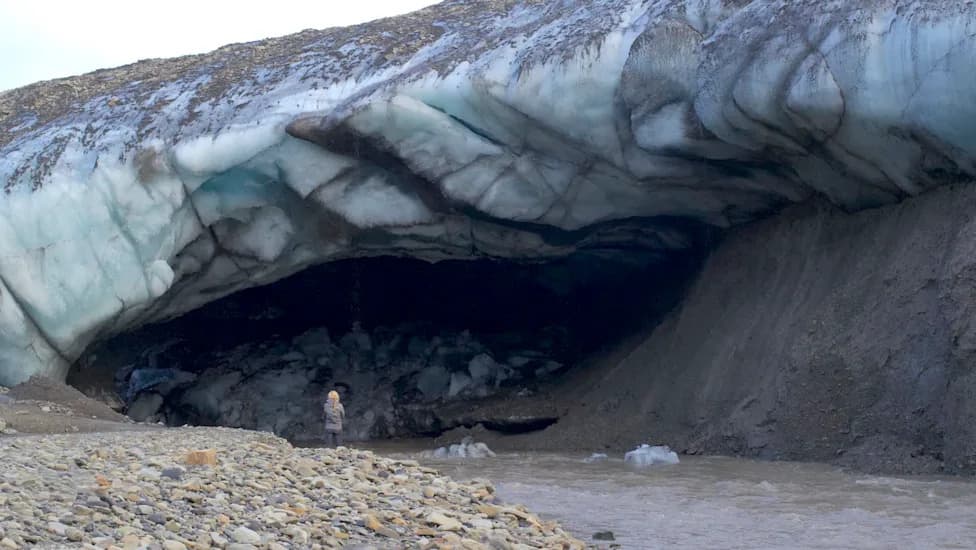
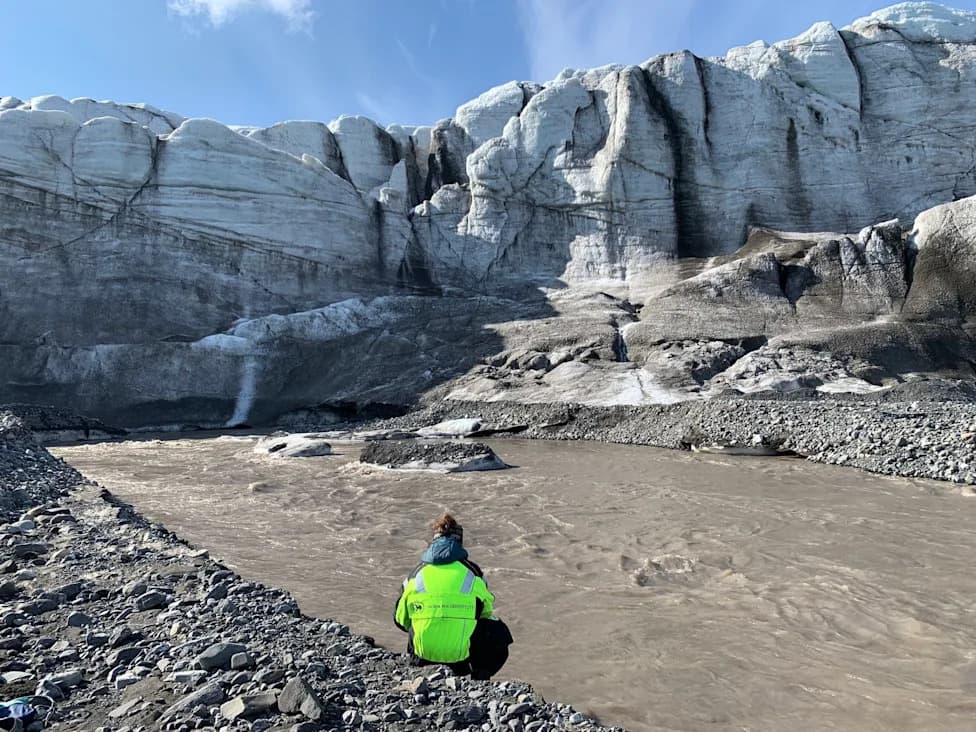
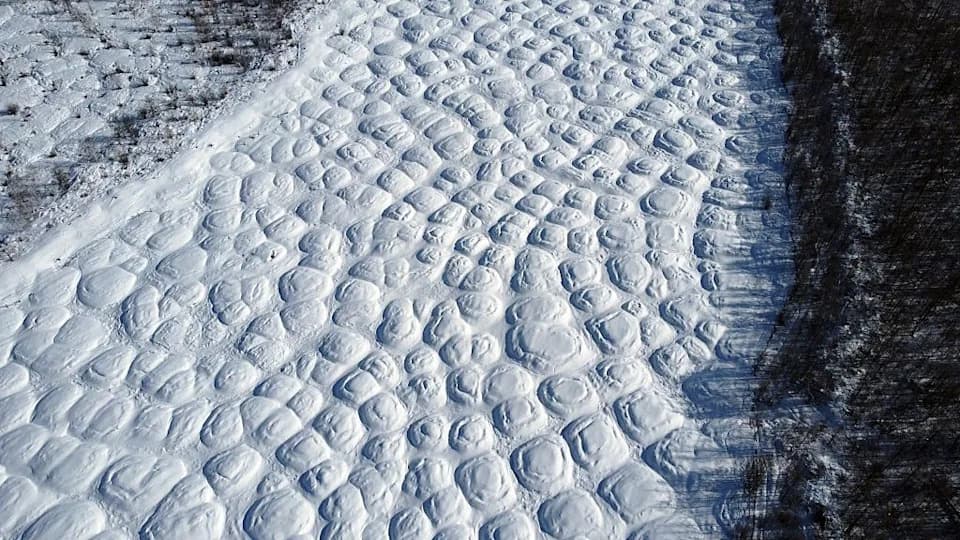
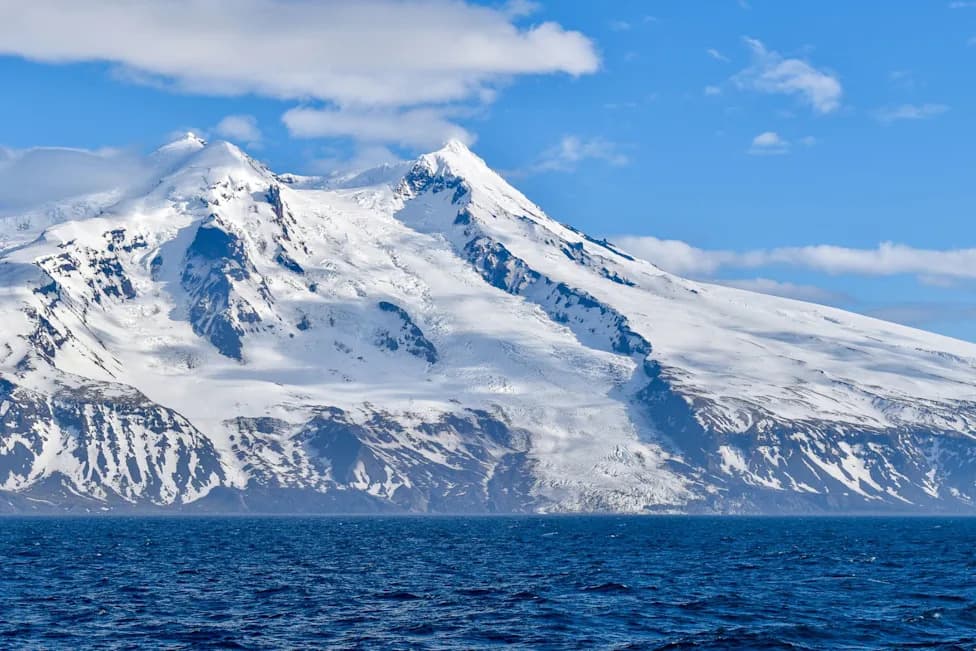
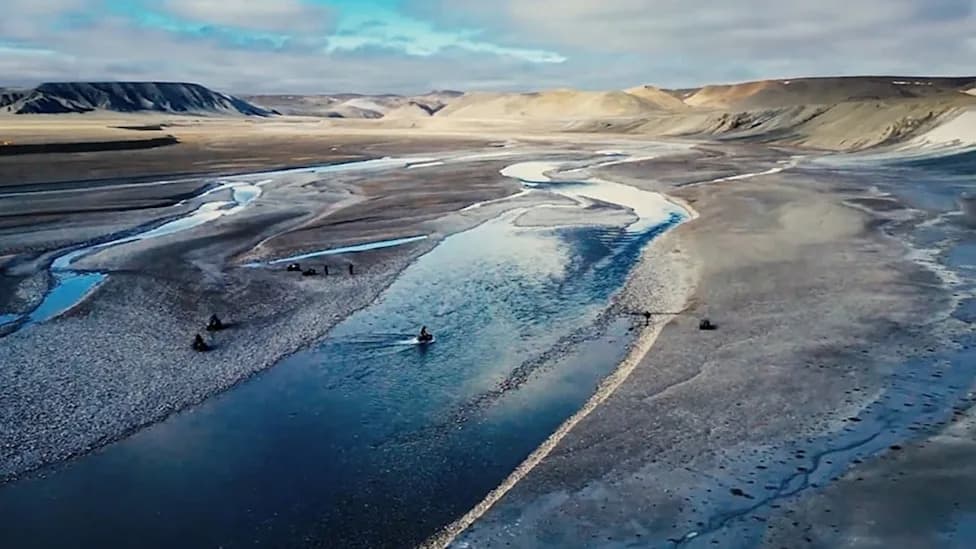
Ground in parts of Alaska that was long held in permanent ice is now warming and beginning to thaw. Scientists warn that as frozen soils — known as permafrost — thaw, they can release large stores of carbon that have been locked away for millennia.
Permafrost refers to soil, sediment or rock that remains at or below 0°C year-round. It is widespread across the Arctic and in some high-altitude regions. Permafrost also acts as a major carbon reservoir: according to the National Oceanic and Atmospheric Administration's 2019 Arctic Report Card, permafrost then contained roughly twice the amount of carbon that was present in Earth’s atmosphere at that time.
When permafrost thaws, organic material that was previously frozen begins to decompose, releasing carbon dioxide and methane into the atmosphere. These greenhouse gases contribute to global warming and can create a feedback loop that accelerates further thawing.
"It's really important that we understand the magnitude of what's happening now," said Jacqueline Hung of the Woodwell Climate Research Center.
Researchers monitoring northern soils estimate that roughly 20% of northern permafrost is at risk of thawing. Scientists such as Ted Schuur from the Permafrost Carbon Network and institutions including the Arctic Institute are tracking changes and publishing research and policy recommendations to guide responses.
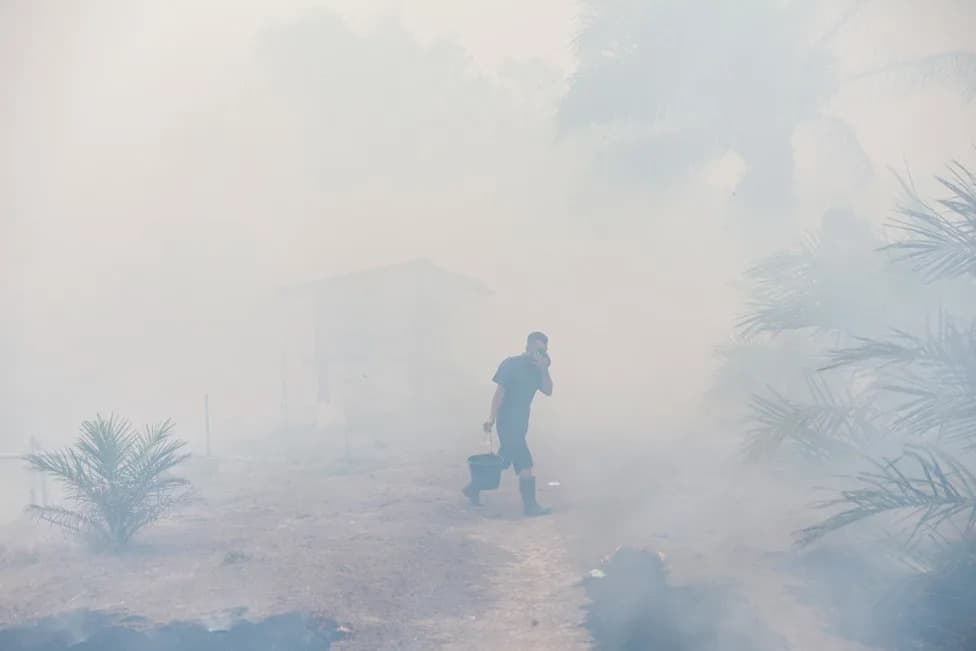
Beyond carbon release, thawing permafrost has other consequences: it can undermine infrastructure, alter ecosystems, and change local hydrology. Globally, higher temperatures also increase the atmosphere's moisture capacity, which can intensify storms and amplify rainfall, while hotter summers worsen air quality and raise public-health risks such as heat-related illness.
Experts emphasize the need for expanded monitoring, improved models of permafrost carbon feedbacks, and coordinated policy and mitigation efforts to limit the worst outcomes. While uncertainties remain about the exact pace and magnitude of emissions from thawing permafrost, the consensus is that early study and mitigation can reduce long-term risks.
Sources and attribution: Jacqueline Hung (Woodwell Climate Research Center); Ted Schuur (Permafrost Carbon Network); NOAA, Arctic Report Card (2019); Arctic Institute.