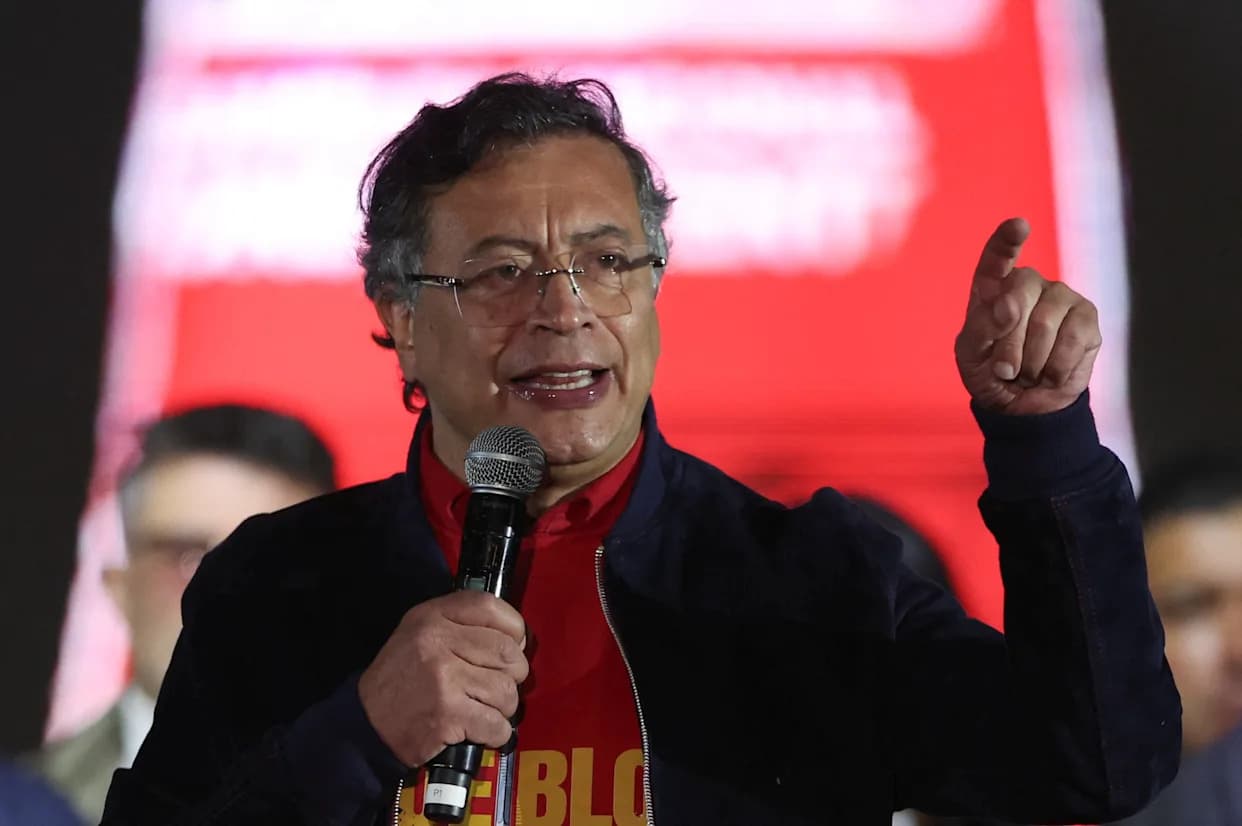
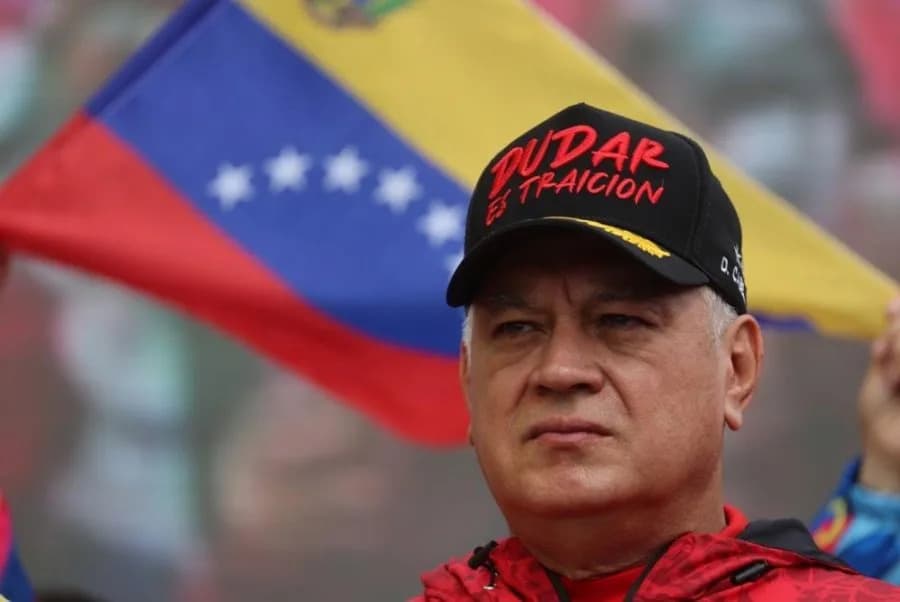
Colombian President Gustavo Petro says U.S. pressure on Venezuela is primarily motivated by access to the country’s oil reserves rather than genuine anti-drug or democratization aims. He defended his record on drug enforcement, pointing to record cocaine seizures in Colombia, and rejected U.S. sanctions against him. Independent UNODC and DEA data cited in the interview indicate that the bulk of coca production originates in Colombia, not Venezuela. Petro also called for investigations into media reports alleging ties between some Colombian officials and armed dissidents while stressing that institutional ties with the U.S. remain intact despite political tensions.
Petro Says U.S. Pressure on Venezuela Is Driven by Oil Interests, Not Anti-Drug Goals

Colombian President Gustavo Petro told reporters in an exclusive interview that he believes recent U.S. pressure on Venezuela is primarily about access to the country’s oil reserves rather than a genuine effort to combat drug trafficking or restore democracy.
Petro’s central claim
“(Oil) is at the heart of the matter,” Petro said, referring to Venezuela’s widely cited status as holding some of the world’s largest oil reserves. He described U.S. policy toward Venezuela as an “oil negotiation” and said President Donald Trump is prioritizing energy interests over democratic reform or narcotics control.
“I believe that is (President Trump’s) logic. He’s not thinking about the democratization of Venezuela, let alone narco-trafficking.”
Dispute over drugs and sanctions
Petro pushed back on U.S. accusations that he plays a role in the global illicit drug trade, noting that his government has reported record cocaine seizures. He said recent seizures have outpaced any growth in coca cultivation, and argued this progress has not been acknowledged by the U.S. administration.
In October, the U.S. Treasury sanctioned Petro, and the U.S. also revoked his visa after comments he made at the United Nations calling on American soldiers not to “point their rifles at humanity.” The Trump administration later announced it would halt certain payments and subsidies to Colombia, citing concerns about drug production and governance.
What independent data show
International data cited by Petro support his contention that most coca production originates in Colombia. The U.N. Office on Drugs and Crime (UNODC) reports that of roughly 3,700 tons of coca produced worldwide, more than 2,500 tons come from Colombia; Venezuela does not appear on production maps. The U.S. Drug Enforcement Administration has likewise reported that a large majority of cocaine seized in the United States can be traced to Colombia.
Allegations of official ties to armed groups
Domestically, Colombian media have published allegations that some senior military and intelligence officials shared sensitive information with dissident armed groups and helped them obtain weapons covertly. Petro denied the specific claims but acknowledged that improper ties between officials and traffickers have existed in the past and urged thorough investigations.
A U.S. State Department spokesperson said Washington is aware of the reporting and urged Colombian authorities to investigate the allegations and take appropriate action.
Bilateral ties and the broader context
Despite tensions between Petro and the Trump administration, institutional ties between the U.S. and Colombia remain strong. U.S. officials have emphasized that their concerns are aimed at Petro personally rather than at Colombia’s institutions, the economy or the broader population.
Petro also commented on comparisons between him and Venezuela’s President Nicolás Maduro, saying Maduro’s chief problem is a lack of democracy and that Colombian investigations have not shown a direct link between Colombian drug-trafficking networks and Maduro.
The White House and the State Department were contacted for comment.
Help us improve.