Nearly a month after Hurricane Melissa struck eastern Cuba, thousands remain without electricity, safe drinking water or secure shelter. Flooding — worsened in some areas by forced releases from dams — damaged homes and infrastructure and prompted mass evacuations. Officials report no storm-related deaths in Cuba, but roughly 53,000 people cannot yet return home and widespread outages could last until mid-December. Residents say aid is slow and many basic needs remain unmet.
Eastern Cuba Still Reeling: Thousands Without Power or Water Nearly a Month After Hurricane Melissa

Nearly a month after Hurricane Melissa struck eastern Cuba as one of the region’s most powerful storms in recent memory, thousands of residents remain without electricity, reliable drinking water or adequate shelter.
Situation on the ground
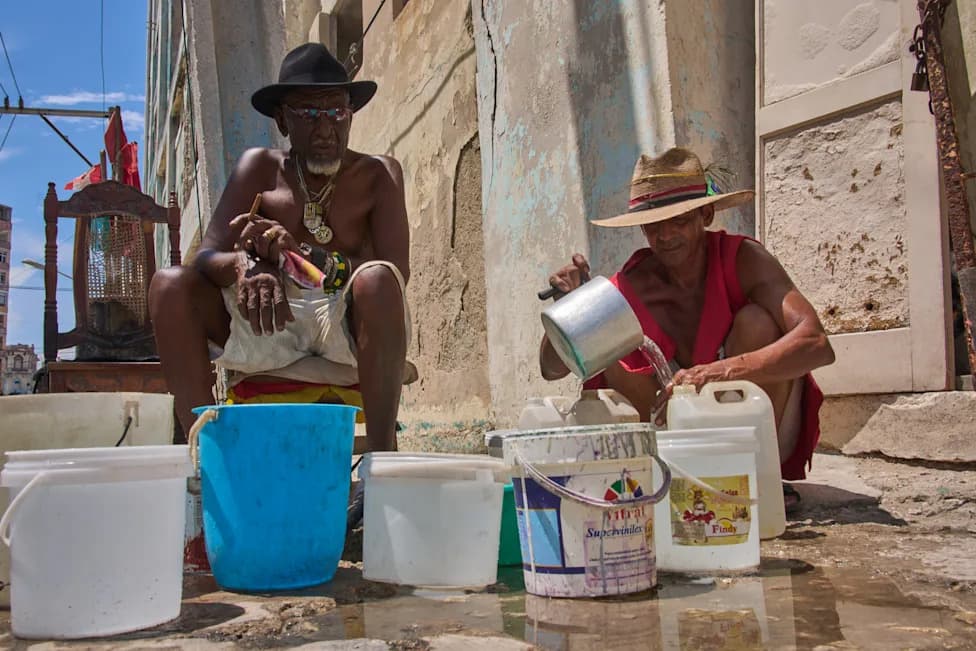
By day, families walk to the nearest river to fill plastic containers. By night, they crowd into classrooms, tents and makeshift shelters. “We lost everything in the flood,” said 80-year-old Lucía García, who now lives in a small classroom with her two sons and her bedridden husband. “I am very depressed and very sad here.”
The school in Río Cauto shelters 14 families and provides daily meals to those occupants as well as to others staying with relatives and neighbors. Water-delivery trucks pass through roughly every three to four days.
Flooding and evacuations
Many residents who lived along the river lost their homes when the storm forced nearby dams to release large volumes of water. An official provincial report noted that more than 2,300 people were evacuated from the Río Cauto area, with roughly 750 staying in private homes. Authorities say many have now returned, but tens of thousands remain displaced across the region.
Severe damage was also reported in the nearby town of Los Mangos, where residents said massive flooding arrived a day after the storm. “By dawn, the entire village was underwater,” recalled Anisleydis Hidalgo, who was evacuated before the hurricane and now shares a military-style tent with her 5-year-old daughter and two other families. A local social worker said 58 people, including 30 children, are sharing 10 tents donated by a foreign government. She added: “The most critical problem we have now is the supply of drinking water in the community.”
Loss, cleanup and power challenges
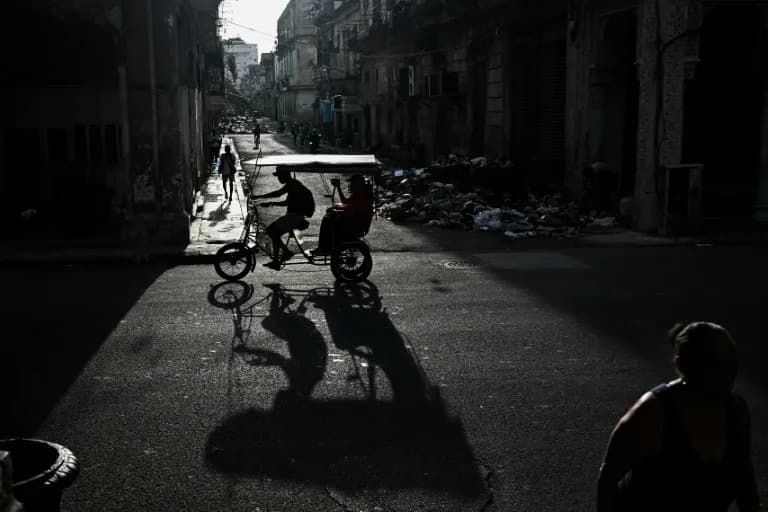
Soaked mattresses, ruined appliances, clothing and furniture litter the streets, and the smell of decaying animal carcasses hangs over some towns. In Los Mangos the electrical system reportedly survived the storm, but scheduled and prolonged outages have further complicated recovery efforts.
In the southern coastal municipality of Guamá, towns continue to struggle. “The sea came into my house and soaked mattresses, electrical appliances and everything else that was there,” said 65-year-old retiree Altagracia Fonseca. She now walks to a river to wash salvaged clothes after evacuating with only a few personal items.
Elizandra Sorrilla and her family are living and sleeping inside a small grocery store they have converted into a temporary home. “They tell us they’re going to help us, but the resources haven’t arrived yet,” she said.
Public frustration and the recovery outlook
Power outages are frequent across affected municipalities. Officials from the National Electric Union warned that full repairs could take until mid-December, a timeline that has frustrated residents. In one community, people blocked a main highway with fallen trees and damaged electrical poles to protest prolonged blackouts that predated the hurricane.
Relief distributions — food, mattresses, roof tiles and other supplies — are underway, but many needs remain unmet. Delivery and logistics have been complicated by strained international relations and long-standing sanctions that affect the island’s economy and access to some external resources.
Authorities reported no storm-related deaths in Cuba. Officials say more than 700,000 people were evacuated from coastal areas, and U.N. estimates indicate roughly 53,000 people cannot yet return home, including thousands still in official shelters. Melissa also made landfall in Jamaica, where dozens of fatalities were reported, and its outer bands affected Haiti as well.
Recovery will require sustained aid, restored utilities and time. For communities such as Río Cauto, Los Mangos and Guamá, the coming weeks will determine how quickly families can rebuild homes and return to normal life.
Help us improve.