Marineland, near Niagara Falls, is closed and reportedly bankrupt, leaving 30 belugas confined to aging pools as owners and authorities dispute their fate. A proposed transfer to a Chinese aquarium was blocked under Canada’s 2019 law limiting captivity, and Marineland warns it may have to consider euthanasia if the whales cannot be relocated. Former staff and advocates say few facilities can accept multiple belugas and that a planned Nova Scotia sanctuary is not yet ready. Officials say they will review other transfer proposals quickly.
Marineland's 30 Belugas Face Euthanasia Threat as Relocation Options Falter

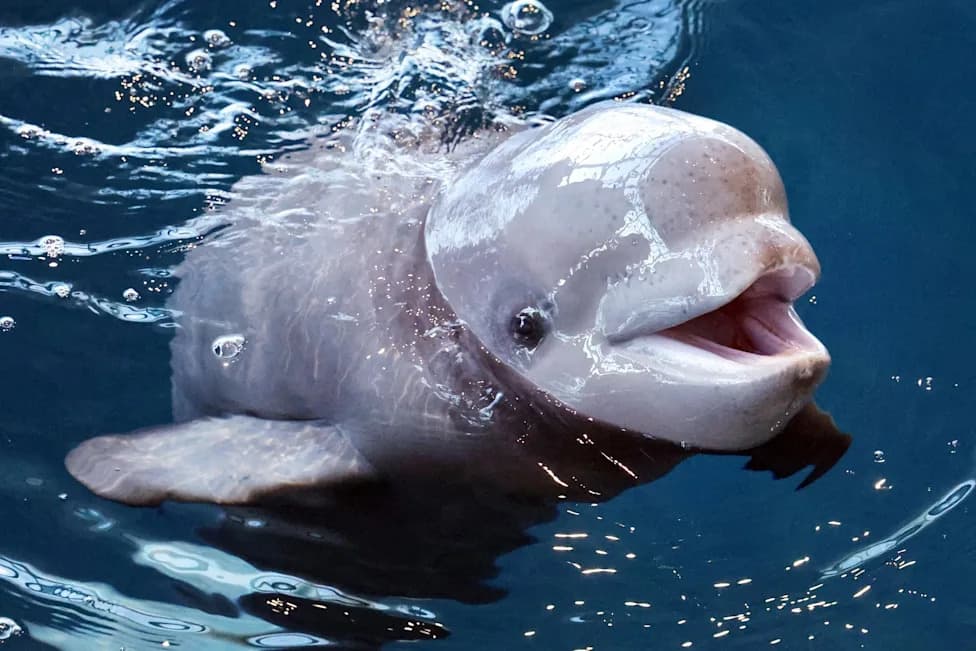
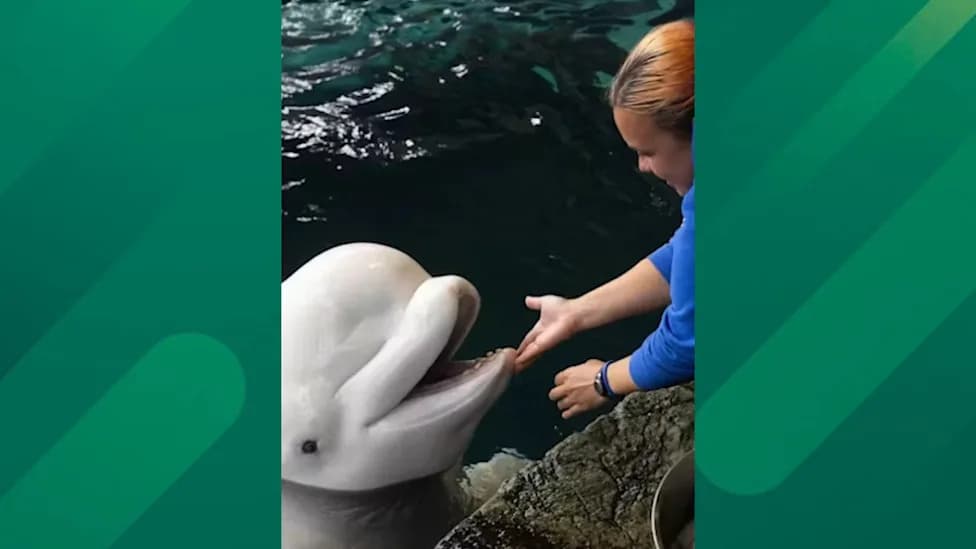
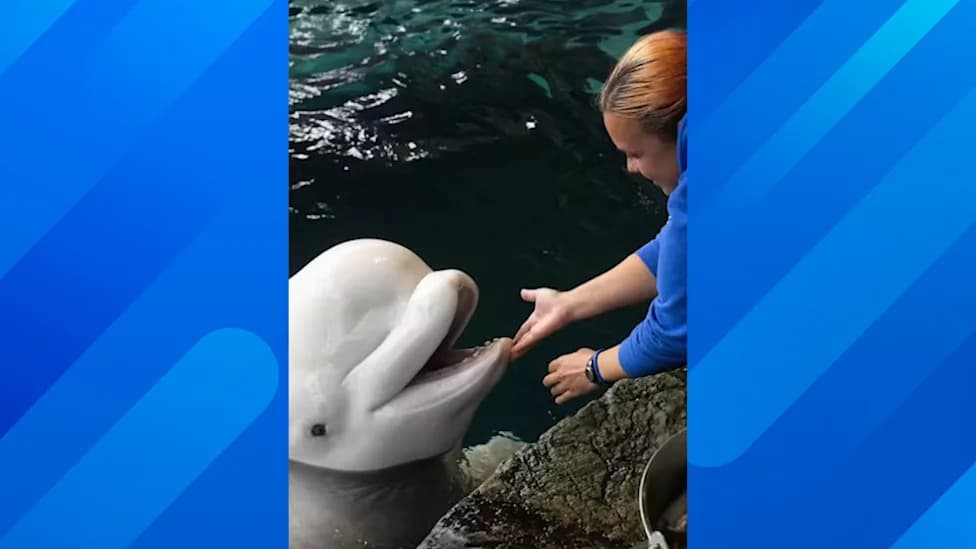
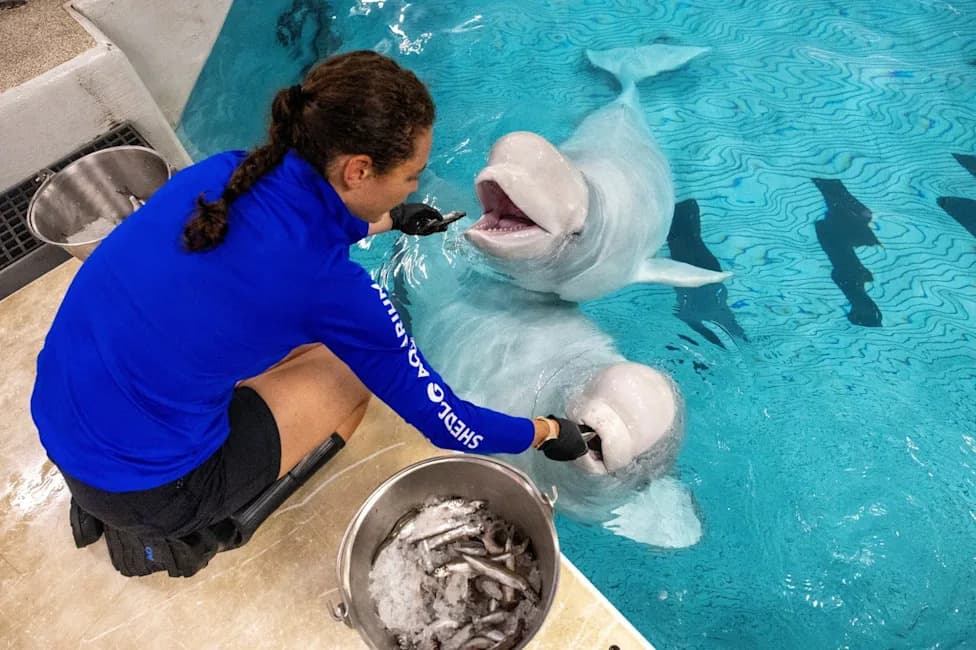
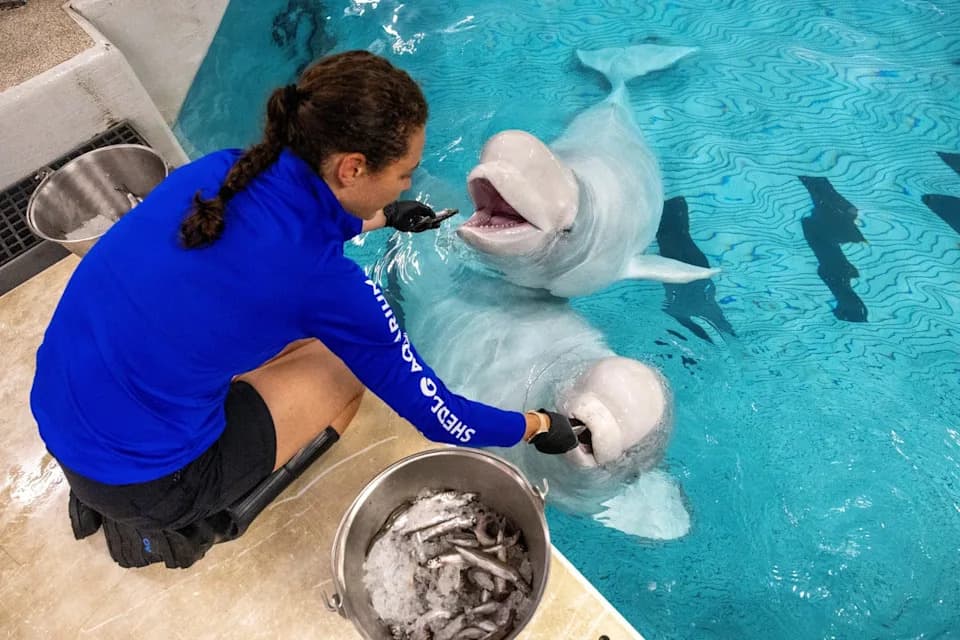
Thirty beluga whales remain at Marineland, the aging attraction near Niagara Falls that is reportedly closed and financially strained. With the park shut to visitors, the whales are confined to deteriorating pools while owners and authorities argue over their future.
Deaths, disputes and a blocked export
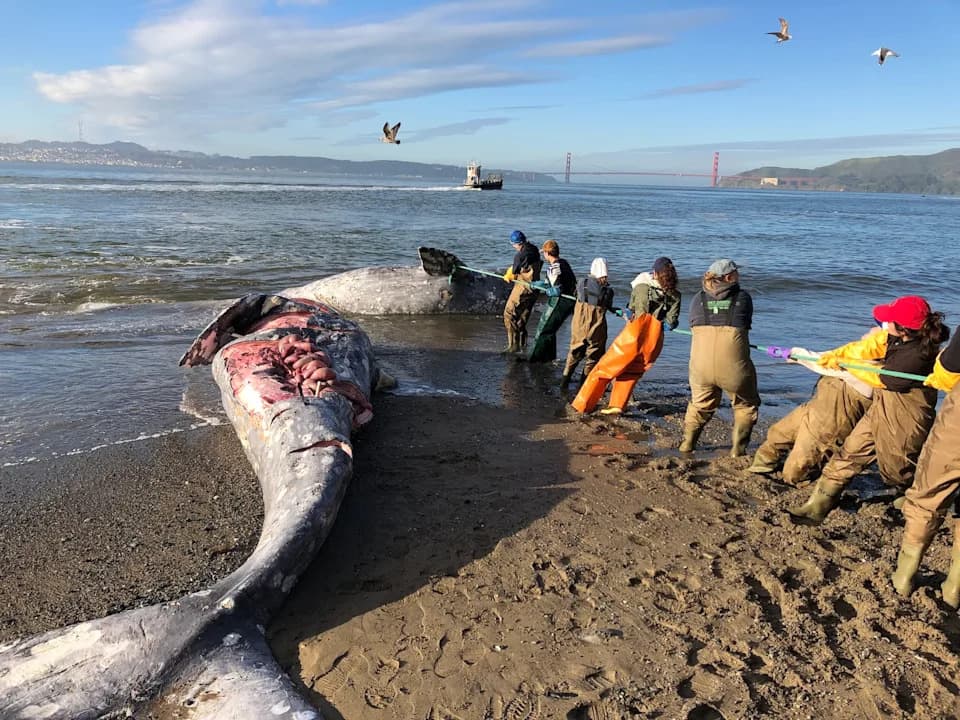
Since 2019, 20 animals at Marineland have died, including 19 belugas. The park says those deaths were from natural causes, but ongoing concerns about water systems and animal care have prompted a multi-year investigation by provincial animal welfare officials. Because these whales were born and raised in captivity, experts say releasing them to the wild is not a viable option.
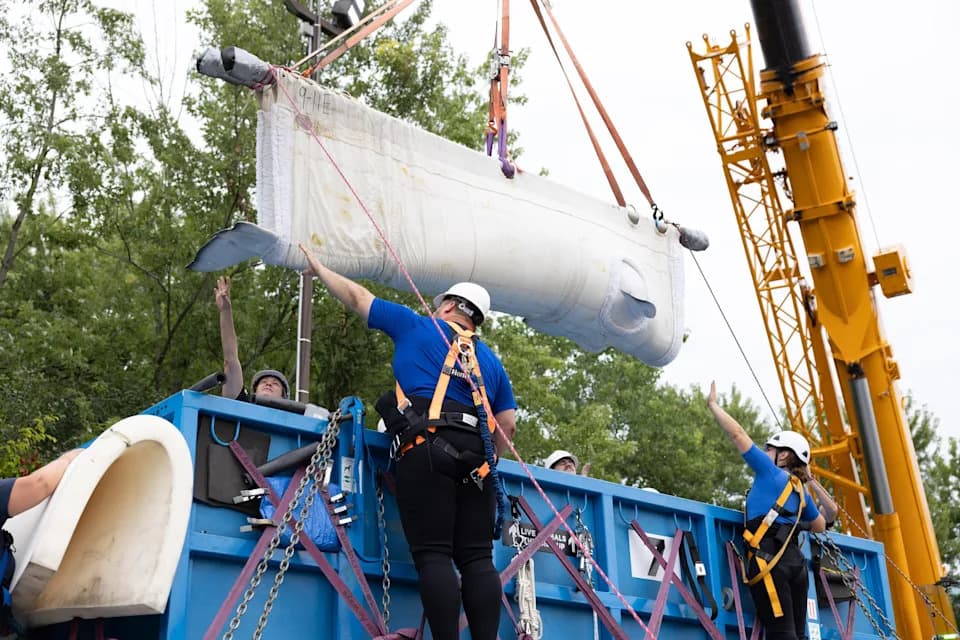
Last month Marineland proposed moving the belugas to the Chimelong Ocean Kingdom in China. Federal authorities rejected the export, citing laws and concerns that such a transfer would perpetuate captivity. Marineland then warned it is "fully indebted and rapidly running out of resources to provide adequate care for the whales," saying the only remaining choices are relocation or euthanasia.
Legal and logistical hurdles
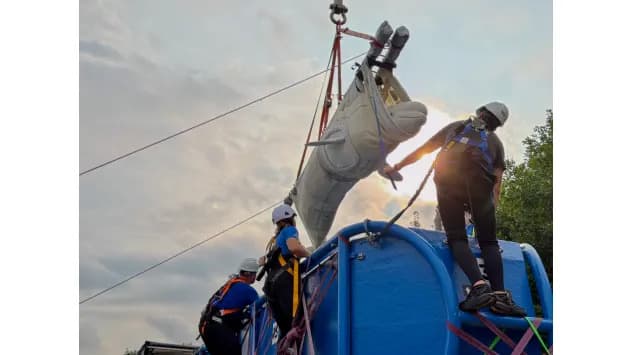
A major legal barrier is Canada's 2019 Ending the Captivity of Whales and Dolphins Act, which restricts keeping certain marine mammals in captivity and complicated approval of the export plan. Even where transfers are permitted, there are few facilities worldwide equipped to house multiple belugas, and transfers require careful review to protect animal welfare.
Voices from staff and advocates
Former trainer and whistleblower Phil Demers, who has long documented alleged problems at the park, called the euthanasia threat unlikely to be carried out and said relocation is the realistic option. "It's illegal. No one's going to ever participate in such a heinous thing," he said, while stressing that few accredited facilities can accept so many belugas at once.
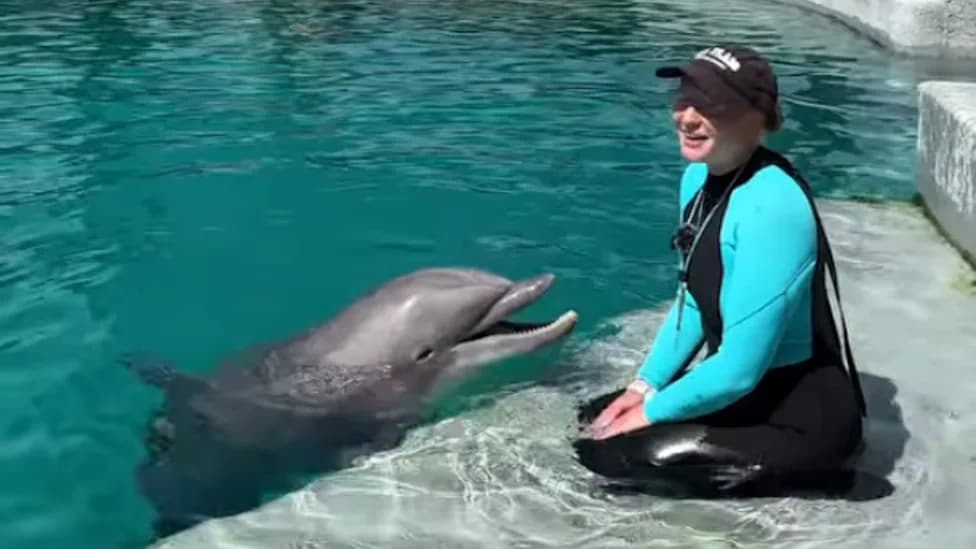
Kristy Burgess, a former trainer who began at Marineland as a waitress and later worked with beluga calves, described the facility as run-down and the animals as much loved by staff. "There's a handful of whales, three in particular, that I constantly think about," she said. Burgess urged that the animals be moved to a proper home rather than remain at Marineland.
Sanctuary proposal and next steps
A proposed whale sanctuary off Nova Scotia's Atlantic coast is under discussion, but the project remains in planning stages with no construction started, making it unlikely to provide an immediate solution. The sanctuary's chief executive, Charles Vinick, called for a broader discussion about how to retire captive marine mammals "with grace, dignity and an environment where they can thrive."
Federal officials have said they are open to considering other transfer or export proposals and will review new plans expeditiously. Meanwhile, Marineland's owners have not provided detailed public plans for the animals' care beyond the warnings they issued about potential euthanasia if relocation cannot be arranged.
Marineland statement: "Our only options at this point are to either relocate the whales or face the devastating decision of euthanasia."
The situation raises difficult ethical, legal and logistical questions: how to find accredited facilities or viable sanctuaries that can accommodate multiple belugas, how to ensure transfers meet strict welfare standards, and how to balance public concern, legal limits and the animals' needs.
Help us improve.