South Korea will ban breeding, ownership and bile extraction from bears starting Jan. 1 under an amended animal protection law that includes prison sentences for violators. The move accelerates a 2022 agreement to end bear-bile farming, though about 200 bears remain on farms and disputes persist over compensation. Animal-welfare groups applaud the decision but urge larger, faster-built sanctuaries and greater government support to rehome rescued bears.
South Korea Bans Bear-Bile Farming: Breeding, Ownership and Extraction Prohibited from Jan. 1
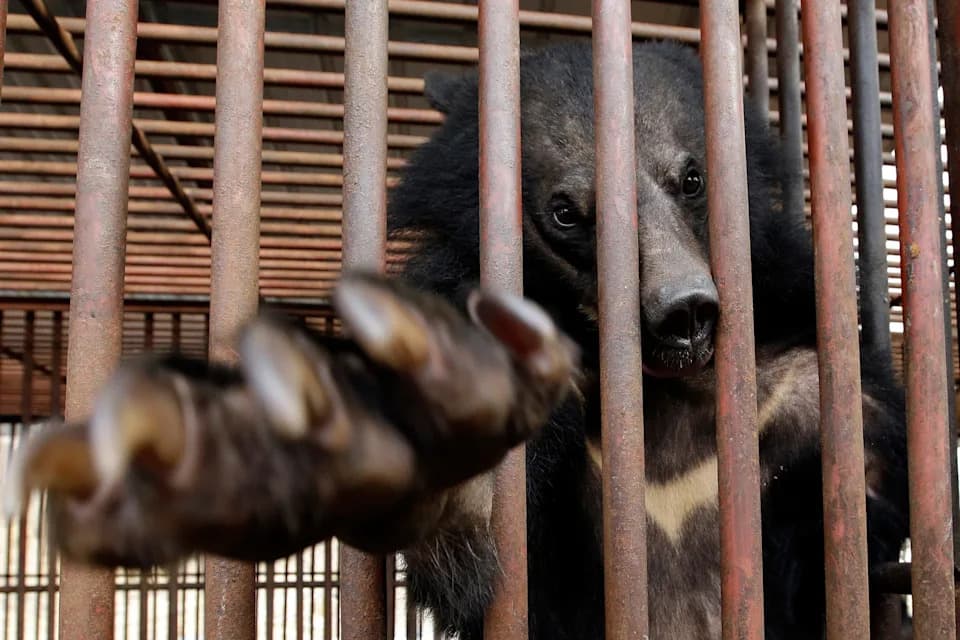
FILE - In this photo taken on Jan. 24, 2014, a bear looks out from a cage at a bear farm in Dangjin, South Korea. (AP Photo/Lee Jin-man, File)(ASSOCIATED PRESS)
South Korea will formally close its shrinking but highly criticized bear-bile farming industry, the Ministry of Climate, Energy and Environment announced. The ministry said it will ban breeding, possession and extraction of bile from bears starting Jan. 1 under a revised animal protection law that imposes prison terms for violators.
Details Of The Ban
The new measures prohibit breeding and ownership of bears and bar the extraction of bile. The amended animal protection law carries penalties including prison sentences of up to two or five years for violations. The ministry said farmers will receive a six-month grace period during which they must cease bile extraction; anyone caught extracting bile after the grace period will face legal penalties.
Background And Decline Of The Industry
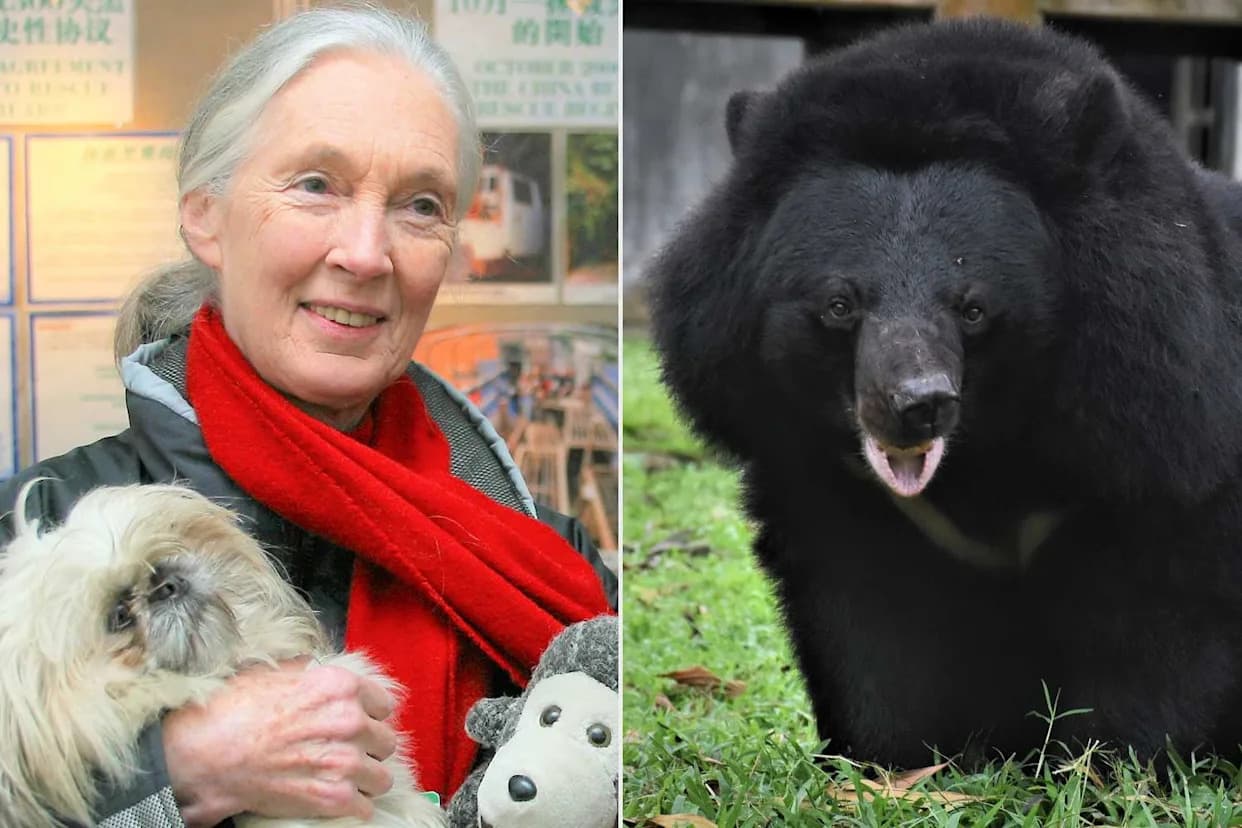
For decades South Korea permitted the farming of primarily Asiatic black bears, often called moon bears, to harvest bile used in traditional remedies and some food preparations believed to boost vitality. Demand for bile-derived products has fallen sharply over the past 20 years amid doubts about medical benefits, the availability of cheaper alternatives and rising public concern about animal cruelty.
Agreement, Compensation And Current Numbers
The ban follows a 2022 agreement among government officials, bear farmers and animal-welfare groups to phase out bear-bile farming. That agreement aimed to end the industry by 2026; the ministry's Jan. 1 ban accelerates enforcement while keeping some transition measures in place. The government and animal groups are coordinating purchases of bears from farms and the establishment of sanctuaries to house rescued animals.
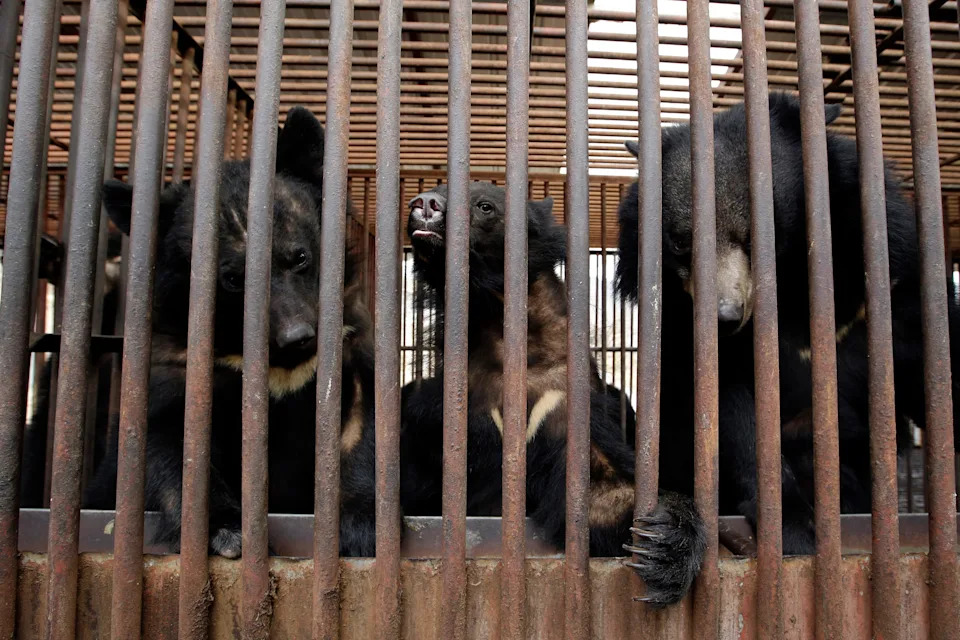
FILE - In this photo taken on Jan. 24, 2014, bears look out from a cage at a bear farm in Dangjin, South Korea. (AP Photo/Lee Jin-man, File)(ASSOCIATED PRESS)
So far this year, 21 bears have been bought and moved to a government-run sanctuary in Jeolla Province. Officials, activists and farmers report that about 199–200 bears still remain on 11 farms nationwide as disputes continue over the compensation amounts that farmers should receive for surrendering their animals. The ministry said it will provide financial support to farmers to care for bears until they are sold and relocated.
Sanctuaries, Delays And Calls For More Capacity
The government says the Jeolla sanctuary can hold up to 49 bears, though animal-welfare groups say that capacity is insufficient; one advocate argued the site should hold no more than 30 to ensure adequate care and space. A second government facility originally scheduled to open in April has been delayed and is now expected in 2027 because of flooding.
Activists have also discussed relocating some rescued bears to overseas zoos and are urging the government to accelerate construction of new sanctuaries and support the creation of private sanctuaries to provide long-term care.
"Our plan to end bear farming business is an implementation of our country's resolve to improve welfare of wild animals and fulfill our related international responsibility," Environment Minister Kim Sungwhan said. "We will strive to protect bears until the last one."
Farmers' Concerns And Next Steps
Some farmers say compensations offered so far are too low and that many colleagues sold bears cheaply under economic pressure. Kim Kwang-soo, secretary-general of a bear farmers' association and owner of a large farm, said he opposes the policy but will comply with the law. Animal-welfare groups praised the government for moving forward but continue to press for bigger, better-equipped sanctuaries and faster action to rehome the remaining bears.
Looking ahead, the government faces the challenge of fairly compensating farmers, expanding housing capacity for rescued bears, and ensuring rescued animals receive appropriate long-term care. Advocacy groups want timely government funding and stronger coordination to guarantee that the remaining bears are removed from farms without delay and provided a life closer to natural conditions.
Help us improve.