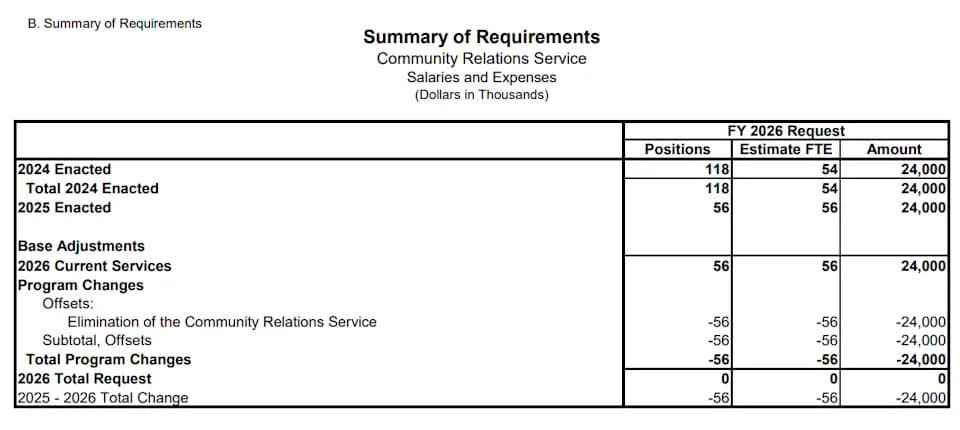
The Justice Department is facing a federal lawsuit from civil rights organizations seeking to block the planned closure of the Community Relations Service (CRS), established in 1964 to prevent and mediate community unrest. Plaintiffs, including NAACP branches and the Missionary Baptist Convention of Missouri, say the DOJ dismantled CRS without following legal procedures or consulting communities. The complaint highlights CRS’s role in mediating school desegregation, Boston’s busing crisis, and tensions after high-profile police incidents; the suit was filed in federal court in Massachusetts.
Civil rights groups sue to block DOJ plan to close 'America’s Peacemaker' Community Relations Service

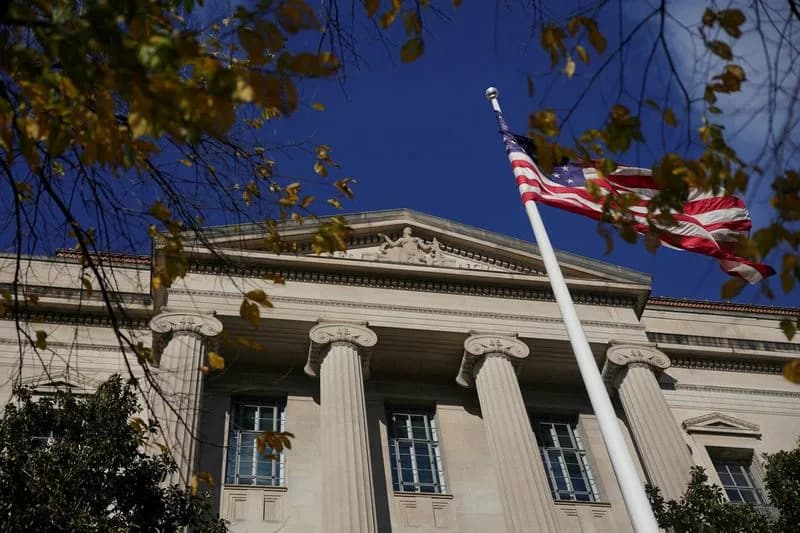
A coalition of civil rights organizations has filed a federal lawsuit seeking a preliminary injunction to stop the Justice Department from closing the Community Relations Service (CRS), the federal office established in 1964 to help prevent unrest and mediate racial tensions in U.S. communities.
The plaintiffs — including several NAACP branches and the Missionary Baptist Convention of Missouri — argue the Department of Justice moved to dismantle CRS unilaterally rather than pursue lawful congressional action or provide proper public notice. The complaint, filed in federal court in Massachusetts, contends the department violated federal procedures and failed to consult the communities that rely on CRS services.
Why CRS matters
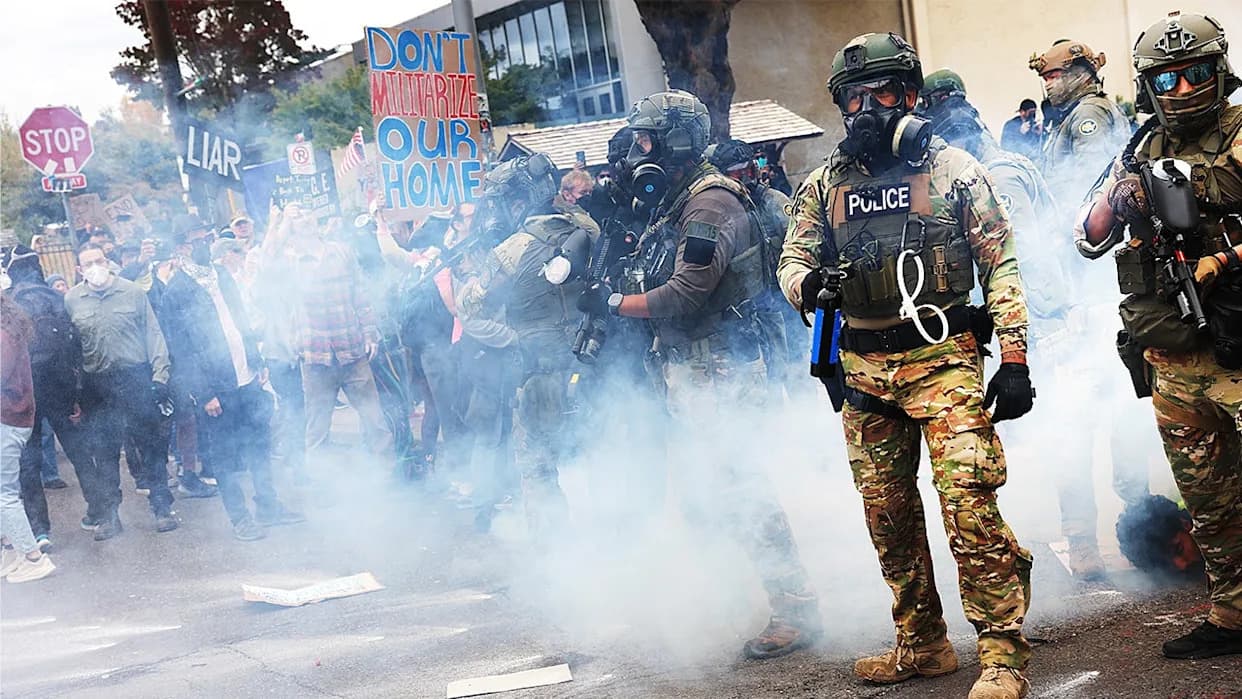
Originally conceived during the Kennedy administration to "identify tensions before they reach the crisis stage" and to "work quietly to ease tensions and improve relations," CRS has long been described informally as "America’s Peacemaker." The office has intervened during periods of national and local unrest, providing confidential mediation and facilitation among community leaders, law enforcement, schools and faith groups.
The lawsuit documents CRS’s role in several high-profile episodes: mediating school desegregation conflicts and helping Boston navigate the busing crisis in the 1970s; engaging communities after the Rodney King trial-related unrest in 1993; addressing tensions following the 1997 police shooting in Rohnert Park, California; responding in Akron, Ohio in 2022 after a police shooting; and deploying to Minneapolis during the Derek Chauvin trial following George Floyd’s killing in 2020.
“Rather than pursue legislation to eliminate the agency, however, the Department set out to destroy the Community Relations Service unilaterally,” the complaint says. It adds that officials acted "behind closed doors, without notice or public input, and without consulting the communities that depend on the Community Relations Service."
Kyle Freeny, a senior attorney with the Washington Litigation Group representing the plaintiffs, said CRS was not an abstract bureaucracy but an "active partner" that helped mediate racial tensions, support faith communities, protect vulnerable students and address discrimination in real time. "By dismantling CRS, the government cut off proven, irreplaceable support that these organizations depended on to carry out their missions," Freeny said.
Justin Locke, a former director of CRS, has also praised the office’s record, noting its confidential, impartial facilitation in communities during the 2020 protests and other recent crises. The Justice Department did not immediately respond to requests for comment, and the litigation is now pending in Massachusetts federal court.
Editor's note: An earlier version of this report misstated the court where the suit was filed; the complaint was filed in federal court in Massachusetts.
Help us improve.