The UNCTAD report warns the Occupied Palestinian Territory has experienced its worst economic collapse on record after two years of military operations and long-standing access restrictions. Gaza’s GDP plunged 83% in 2024 and 87% over two years to $362 million, with per-capita GDP at about $161. UNCTAD estimates reconstruction costs in Gaza will exceed $70 billion and urges coordinated international assistance, restored fiscal transfers and eased trade and movement restrictions for any realistic recovery.
UN: Palestinian Economy in Historic Collapse After Two Years of War and Access Restrictions

A new United Nations report by the UN Conference on Trade and Development (UNCTAD) finds that the economy of the Occupied Palestinian Territory has suffered its most severe collapse on record. The contraction reflects the combined impact of two years of military operations in Gaza, prolonged restrictions on movement and trade, and the withholding of fiscal transfers.
Key findings
UNCTAD reports that Palestinian gross domestic product (GDP) had fallen back to 2010 levels by the end of last year, while GDP per capita reverted to levels last seen in 2003 — effectively erasing more than two decades of development in less than two years.
Gaza was the hardest hit: GDP declined 83% in 2024 compared with 2023 and has dropped 87% over two years to approximately $362 million. Per-capita GDP in Gaza fell to about $161, placing the enclave among the lowest-ranked economies by that measure.
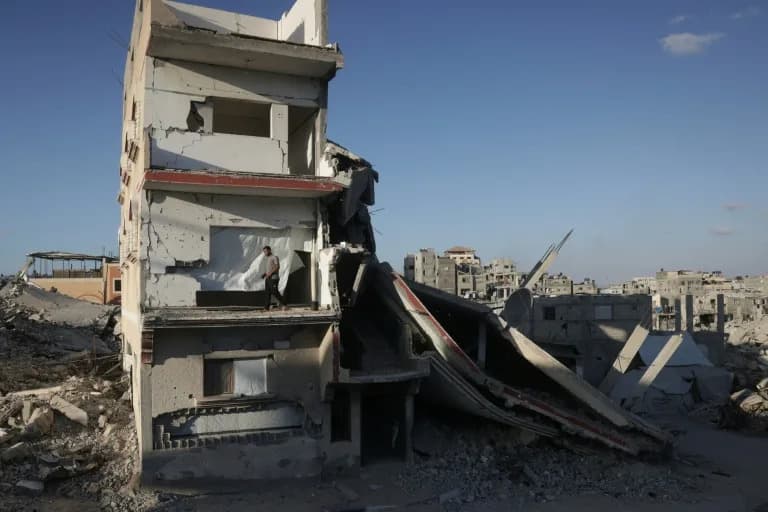
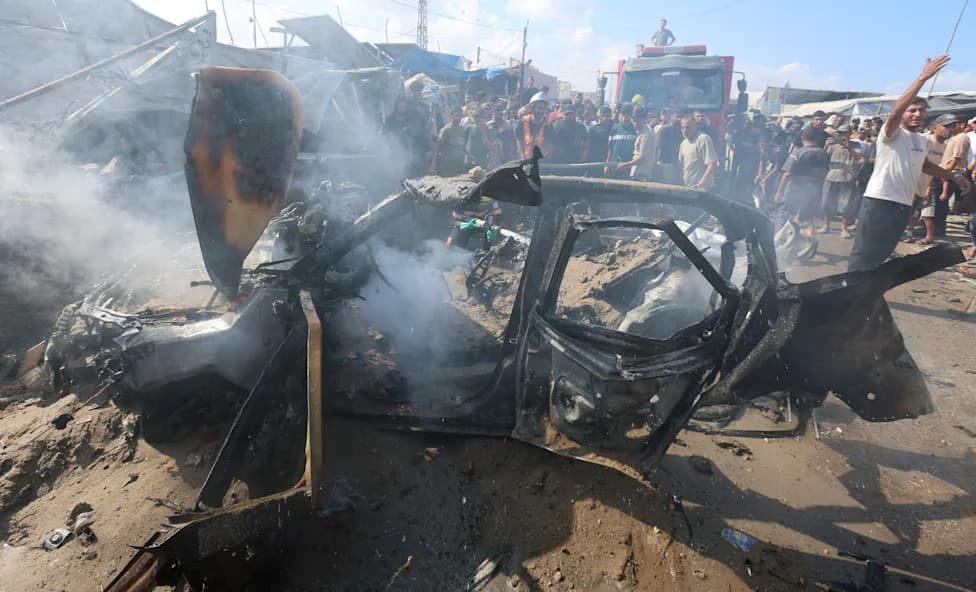
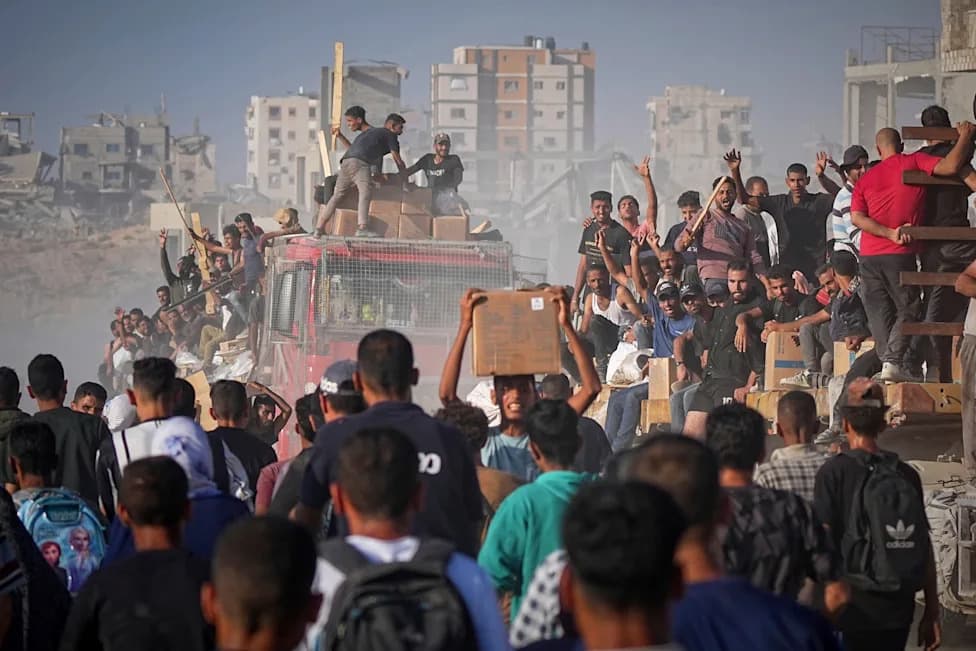
The report documents extensive physical damage and humanitarian consequences. UNCTAD estimates some 174,500 structures in Gaza were damaged, contributing to what it describes as “utter ruin.” The report also cites large-scale casualties and injuries associated with the conflict, and notes that nearly two decades of restrictions on trade, movement and access have produced near-total dependence on external aid.
West Bank and fiscal constraints
The occupied West Bank is also experiencing its most severe economic downturn on record, driven by tightened movement controls and job losses. UNCTAD highlights that Israel’s withholding of tax and fiscal revenues owed to the Palestinian Authority has compounded the crisis, sharply limiting the PA’s ability to pay salaries, deliver services and finance reconstruction. The Palestinian Authority states that approximately $4 billion in tax revenue is being withheld.
Costs and prospects for recovery
UNCTAD estimates that reconstruction and recovery in Gaza alone will exceed $70 billion. The agency warns that even with substantial international aid, a return to pre-October 2023 GDP levels could take decades. It stresses that without immediate, large-scale intervention and measures to ease constraints on trade, movement and investment, the Palestinian economy risks a prolonged slump.
“Extensive damage to infrastructure, productive assets and public services has reversed decades of socioeconomic progress in the Occupied Palestinian Territory,” UNCTAD states.
Recommendations
UNCTAD calls for a comprehensive, internationally coordinated recovery plan that includes: restored fiscal transfers to the Palestinian Authority; urgent reconstruction funding; and measures to ease restrictions on trade, movement and investment. The report also emphasizes that a durable ceasefire is essential for any meaningful economic recovery.
Source: UN Conference on Trade and Development (UNCTAD)
Help us improve.