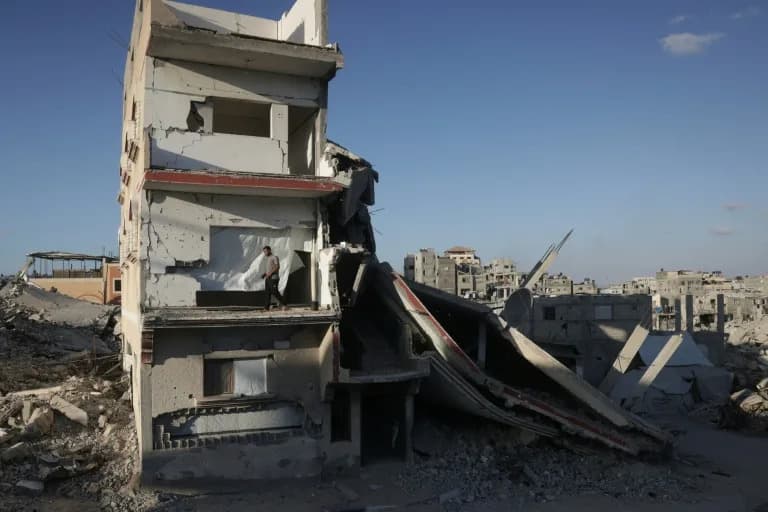
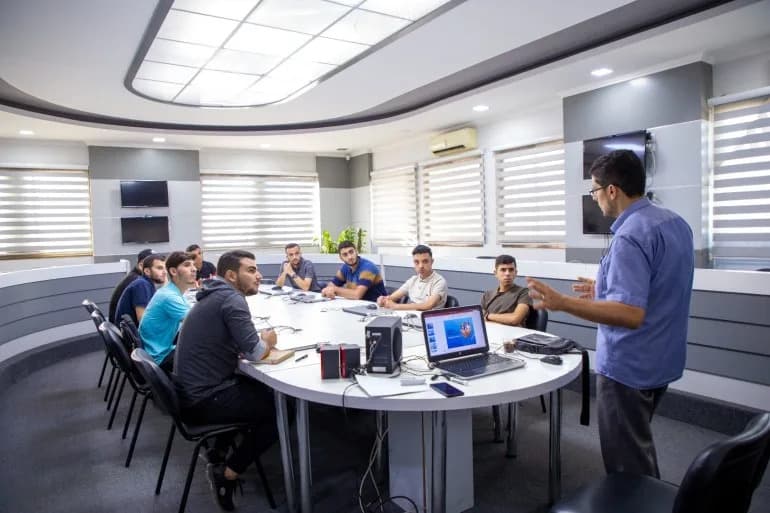
Gaza’s economy has been devastated after more than two years of conflict, with the UN reporting roughly 80% unemployment. Residents are relying on micro-enterprises such as knitting and solar-powered phone charging to meet basic needs amid widespread destruction and power outages. While these informal activities provide immediate relief, they cannot replace formal employment or address the systemic collapse of infrastructure and services.
Gaza's Economy in Ruins: Residents Turn to Knitting and Solar Charging to Survive

Um Mohammed al-Jarjawi relies on knitting to provide for her family [Screen grab/Al Jazeera]
After more than two years of intense conflict, Gaza faces a severe humanitarian and economic crisis. The United Nations warns that the territory is experiencing one of the fastest and most damaging economic collapses on record, with unemployment reported at around 80 percent.
Small-Scale Survival Strategies
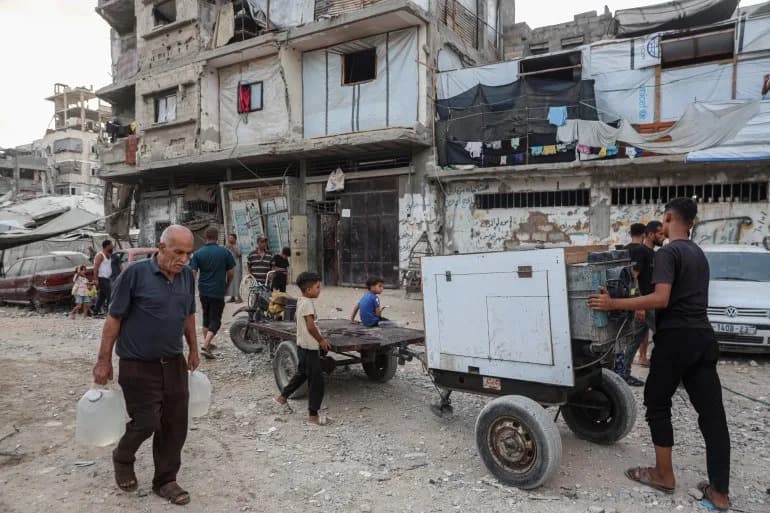
Despite a tight blockade, widespread destruction and the collapse of basic services, Palestinians are improvising new ways to earn a living. Small-scale enterprises — from women knitting baby clothes to improvised solar phone-charging kiosks — have proliferated across the Strip. These activities offer critical short-term income but fall far short of restoring long-term economic stability or creating formal jobs.
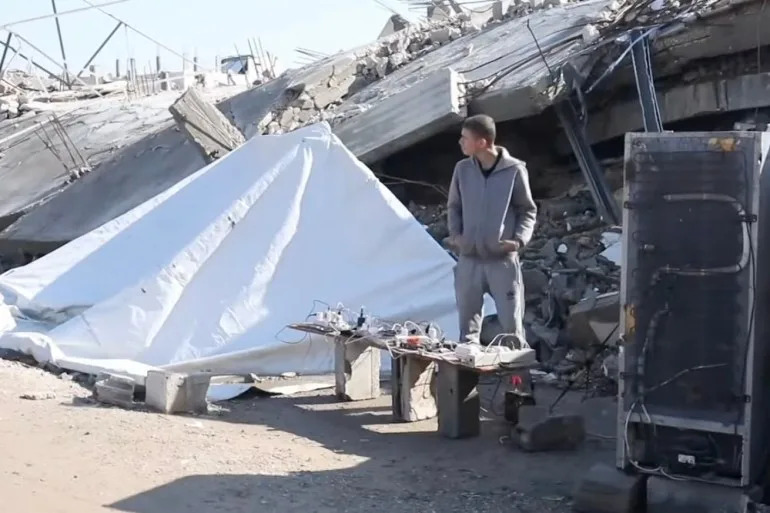
Wasim al-Yazji stands next to his makeshift charging station [Screen grab/Al Jazeera]
Personal Stories
Widowed and supporting a household of five, Um Mohammed al-Jarjawi relies on knitting to feed her family and sometimes teaches the craft to younger relatives. "I started learning knitting when I was 10 years old," she told Al Jazeera. "After my husband passed away, I needed to support my household. I focused on working to provide for my family while improving my skills."
"I started learning knitting when I was 10 years old. After my husband passed away, I needed to support my household." — Um Mohammed al-Jarjawi
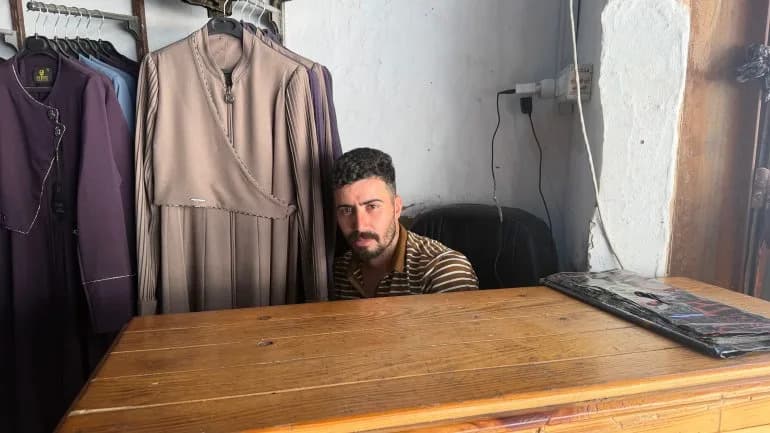
For others, makeshift solar charging stations provide a fragile lifeline. Wasim al-Yazji runs a small solar-powered kiosk to charge phones for customers, generating modest daily income for basic needs. But his business is vulnerable: cloudy weather or damaged panels can leave him unable to work for days.
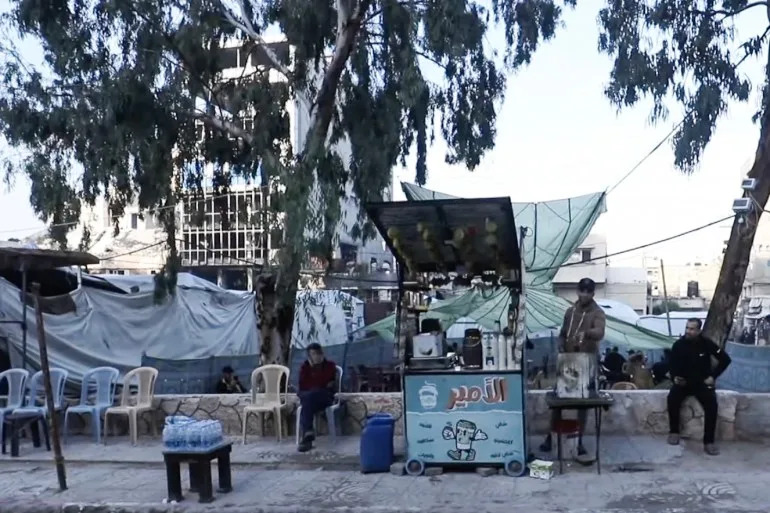
Gaza’s unemployment rate is 80 percent, among the highest in the world [Screen grab/Al Jazeera]
"My charging station depends on solar panels, so if the sun doesn’t shine, the charging power is weak and I can’t work for days. Sometimes a whole week passes under clouds without any income." — Wasim al-Yazji
Systemic Collapse and the Limits of Informal Work
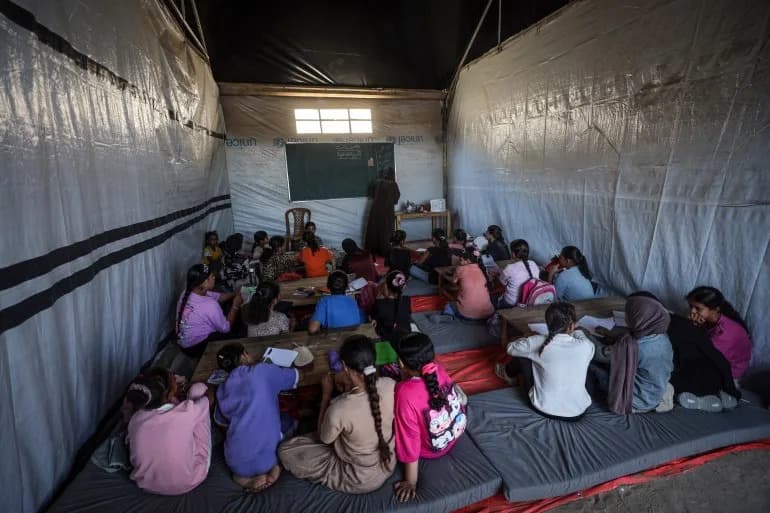
About 70 percent of Gaza's electricity networks have been destroyed, contributing to a near-total collapse of the power system and disrupting businesses, healthcare and essential services. With the formal labour market effectively shattered, many young people report spending long days searching for limited temporary work or standing idle.
These informal income-generating activities provide urgent relief for households but cannot substitute for the millions of secure, formal jobs Gaza needs to recover. With hundreds of thousands of people still out of work, rebuilding infrastructure, restoring reliable power and reopening formal markets will be essential for any sustainable economic recovery.
Outlook
Short-term ingenuity has helped many families survive, but the broader economy remains in crisis. Local coping strategies underscore both the resilience of Gaza’s residents and the scale of the challenge facing humanitarian efforts and reconstruction planning.
Help us improve.