
The Israeli government has denounced a U.N.-backed IPC report that said famine conditions occurred in Gaza Governorate earlier this year, calling the report biased and overlooking aid deliveries. The IPC maintains roughly 1.6 million Gazans face high acute food insecurity and says famine thresholds were met in July–August, though later supplies prevented wider spread. Experts cited by media dispute the famine declaration, pointing to mortality and price data, while Israel emphasizes daily aid-truck volumes and market indicators.
Israel Rejects U.N.-Backed Gaza Famine Report as 'Biased,' Cites Aid Deliveries and On-the-Ground Data

Israel calls out UN-backed Gaza famine report as biased, ignores aid flow and on-the-ground data
Israeli officials have strongly criticized a recent assessment by the U.N.-backed Integrated Food Security Phase Classification (IPC), calling the report biased and saying its conclusions were predetermined. The IPC now says roughly 1.6 million residents of Gaza face "high levels of acute food insecurity," and that famine conditions were met in Gaza Governorate in July and early August before later relief averted further spread.
Israeli Response
IDF Maj. Gen. Ghassan Alian, representing the Coordinator of Government Activities in the Territories (COGAT), accused the IPC of advancing "biased claims" that "disregard the volumes of food that entered during the ceasefire," saying the report ignored verified aid flows and on-the-ground data. COGAT issued a statement asserting that previous IPC forecasts concerning the Gaza Strip produced extreme warnings that did not materialize, and urged the international community not to legitimize what it called a "biased and unprofessional" assessment.
IPC Findings and Rationale
The IPC's Famine Review Committee acknowledged that after its earlier warning there was a partial relaxation of restrictions and increased availability of food and essentials. The committee said that change arrived too late to avoid famine in Gaza Governorate in July and early August, but that the persistence and spread of famine to other governorates during the projection period has been avoided.
The IPC said its Gaza analysis showed clear evidence that thresholds for starvation and acute malnutrition were reached, and that mortality thresholds were likely crossed based on the broader evidence.
Expert Critiques
Some experts questioned the IPC's conclusions. Dr. David Adesnik, vice president of research at the Foundation for Defense of Democracies, told Fox News Digital that reported mortality figures did not rise to levels typically associated with famine and that prices for key food items remained relatively stable or fell during the period the IPC identified as famine. Adesnik also criticized IPC claims that mortality data undercount non-trauma deaths, calling that assertion a "big leap."
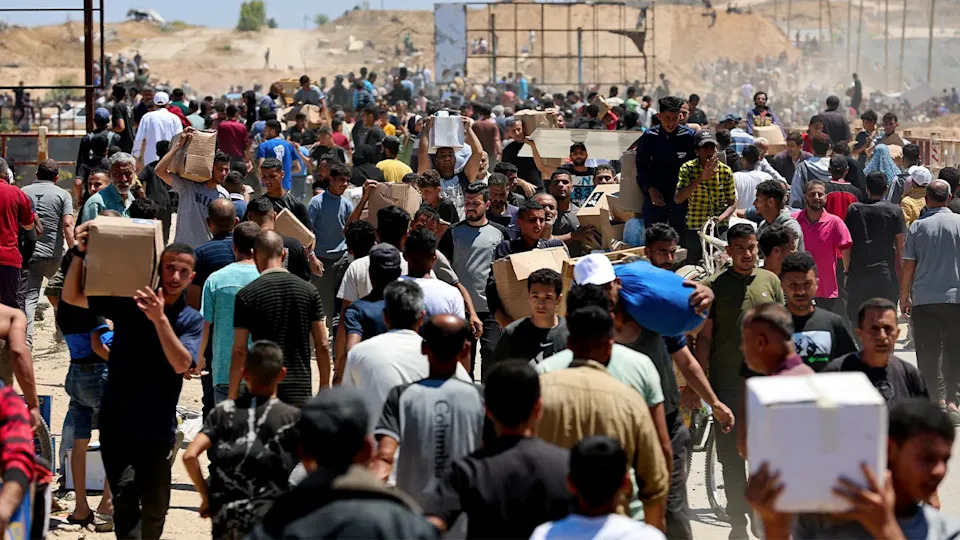
Palestinians carry aid supplies which they received from the U.S.-backed Gaza Humanitarian Foundation, in the central Gaza Strip, May 29, 2025.
Adesnik noted the IPC's own malnutrition-related figures, with the highest monthly tally for malnutrition-related deaths at 27 and the peak for all malnutrition deaths at 186. He said these numbers, while tragic, fall short of standard famine thresholds.
Technical Thresholds and Aid Data
The IPC defines a famine threshold in part as at least two deaths per 10,000 people per day, or at least four deaths per 10,000 children under five per day, due to starvation or the interaction of malnutrition and disease. The IPC maintains its assessment that, for Gaza Governorate in the relevant period, sufficient evidence indicated these thresholds had been met.
Israel's Ministry of Foreign Affairs spokesperson Oren Marmorstein posted on X that, on average, between 600 and 800 aid trucks enter the Gaza Strip daily, with about 70% carrying food—figures Israel says far exceed the volumes the IPC said were required. Israeli officials argue those aid flows and observable market indicators undermine the IPC's conclusions.
Wider Stakes
Beyond humanitarian and technical debate, observers noted political and legal consequences: a formal famine declaration can influence international legal processes and public narratives. The article also reported that U.S. political actors have taken steps related to international justice institutions; Senator Marco Rubio announced sanctions against two individuals tied to the International Criminal Court, criticizing the ICC's handling of cases related to Israel.
Bottom line: The dispute centers on how to interpret mortality and nutrition data under wartime conditions, how to quantify aid flow and its impact, and the consequences that official assessments can have for humanitarian response and international legal proceedings.


