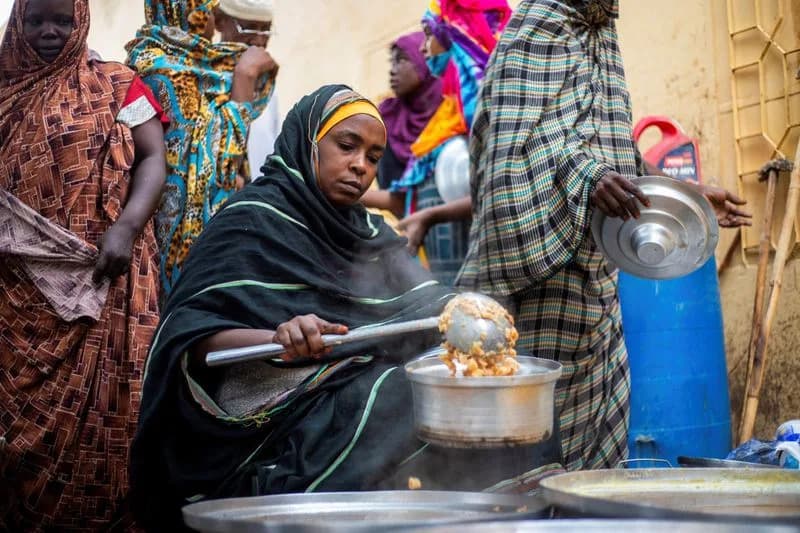
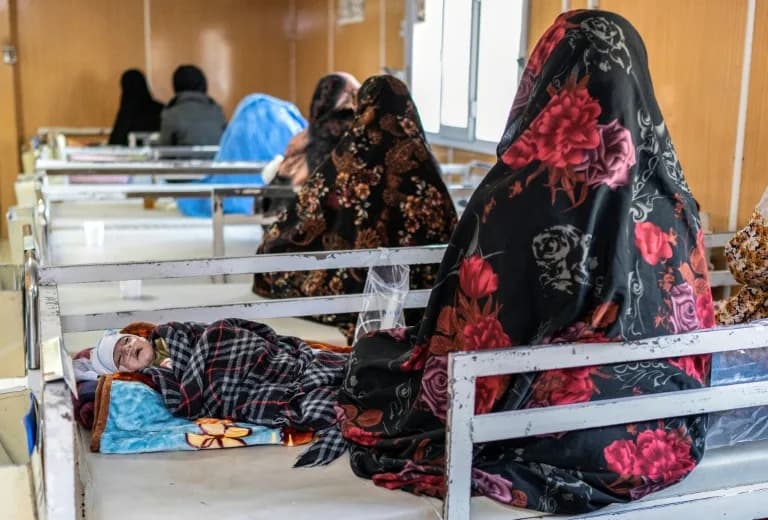
The World Food Programme projects nearly 35 million people in northern Nigeria could face severe food insecurity between May and September 2026, the highest level recorded by the agency. About 15,000 people in Borno State may experience famine-like conditions, and child malnutrition is most severe in Borno, Sokoto, Yobe and Zamfara. Recent mass kidnappings and widespread violence, combined with cuts to international aid and WFP program reductions affecting over 300,000 children, risk intensifying the humanitarian crisis.
Nearly 35 Million at Risk in Northern Nigeria as Violence and Aid Cuts Push Hunger to Record Levels

Armed attacks, growing instability and cuts to international aid are driving northern Nigeria toward unprecedented levels of food insecurity, the World Food Programme (WFP) warns. Its latest projections show nearly 35 million people across the region could face severe food insecurity between May and September 2026 — the highest figure recorded by the agency in Nigeria since it began monitoring.
The report highlights an especially acute threat in Borno State, where roughly 15,000 people are projected to experience catastrophic hunger — famine-like conditions — in areas that have borne repeated insurgent attacks for about 16 years.
Child malnutrition is particularly pronounced in Borno, Sokoto, Yobe and Zamfara states. Nearly six million people in Borno, Adamawa and Yobe lack minimum food supplies; these states are predominantly rural and heavily dependent on farming, making them vulnerable to both conflict and economic shocks.
"The advance of insurgency presents a serious threat to stability in the north, with consequences reaching beyond Nigeria," said David Stevenson, WFP Nigeria country director. "Communities are under severe pressure from repeated attacks and economic stress."
In addition to the long-running northeast insurgency, violence by armed gangs across the central and northwest regions — including raids, killings and kidnappings — has worsened local food access and displaced thousands of families.
This deterioration is compounded by recent mass abductions that underscore the insecurity facing communities: at least 303 children and 12 teachers were abducted from Saint Mary’s Catholic School in Niger State; 25 high-school girls were taken in Kebbi State; and 38 worshippers were seized from a church in Kwara State.
Humanitarian response is under strain. In July the WFP scaled back its nutrition programme in Nigeria, affecting more than 300,000 children and contributing to a rise in malnutrition from "serious" to "critical" in the third quarter of 2025. Reduced contributions from major donors — including significant cuts in U.S. aid — have left emergency food and nutrition funds at risk of depletion by December.
What this means
The combination of conflict, displacement and funding shortfalls threatens to deepen suffering and push already fragile communities toward famine-like conditions. Urgent and sustained international support will be needed to prevent further deterioration, protect children and stabilize food supplies across the region.
Help us improve.