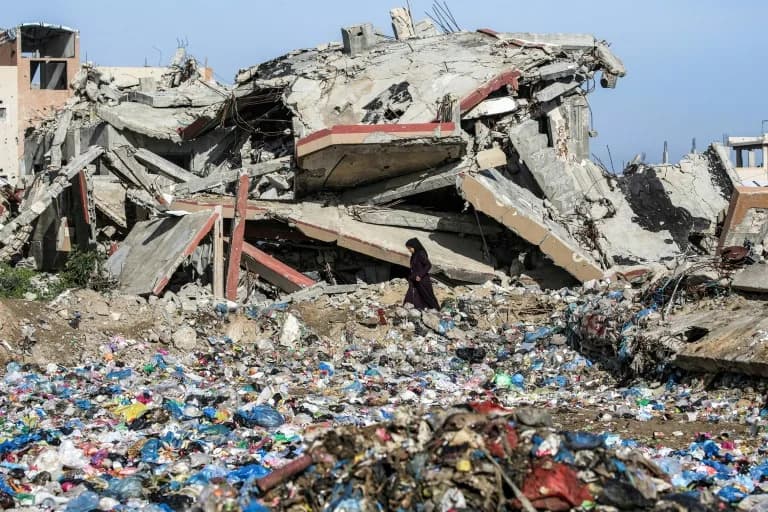
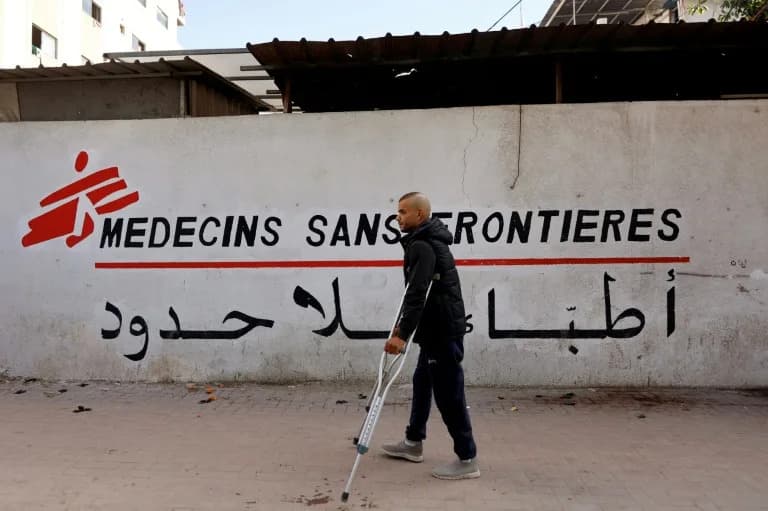
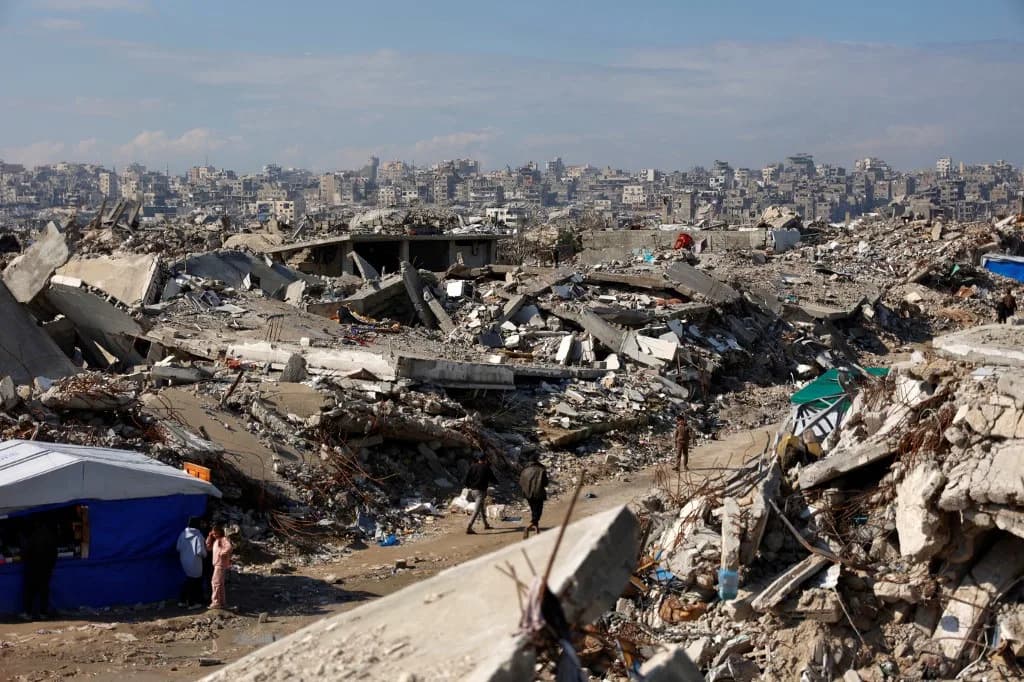
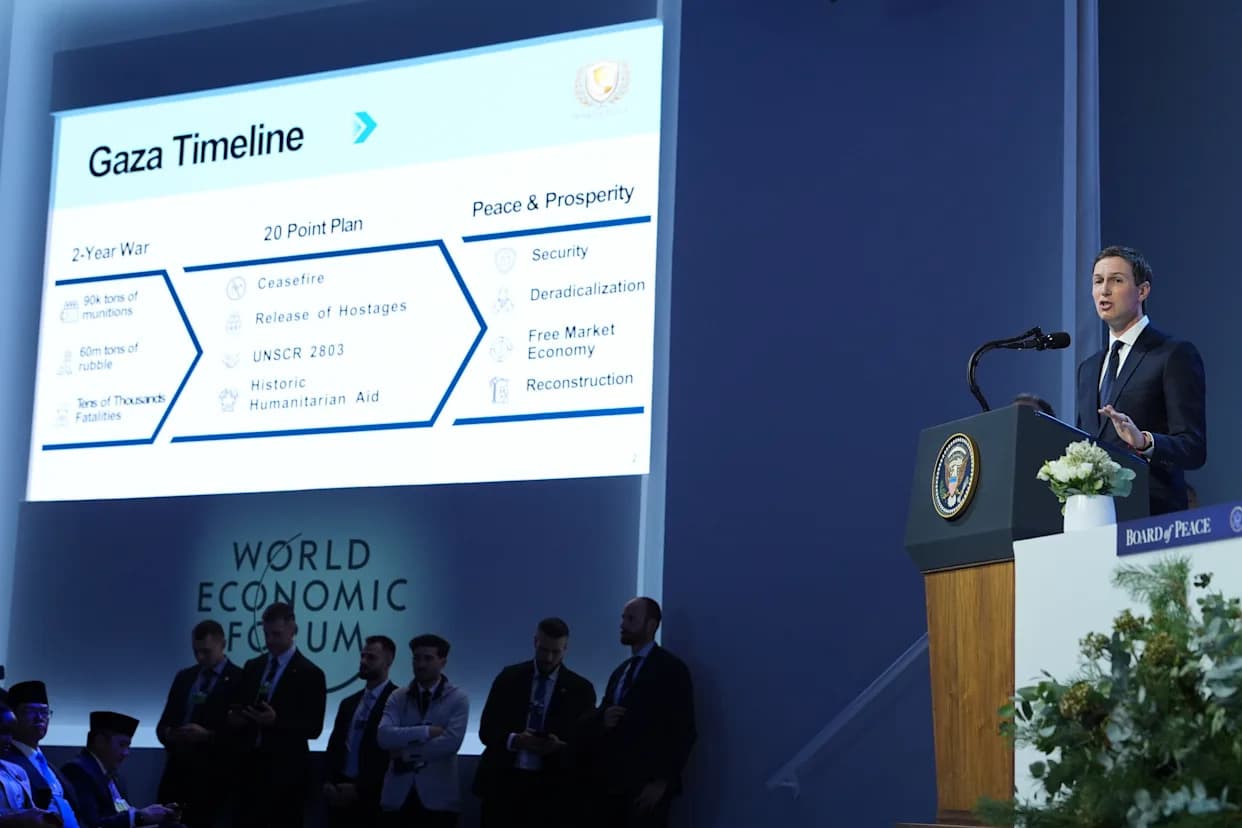
The Gaza Humanitarian Foundation has ended its five-month relief operation after claiming it fulfilled a large portion of its mission to deliver food and supplies to displaced Palestinians. GHF will transfer its distribution model to the new Civil-Military Coordination Center to limit the risk of aid diversion. The closure follows financial strain and restricted field access after a cease-fire; critics had previously condemned an Israel–U.S.-backed aid mechanism linked to hundreds killed and thousands injured. GHF says it distributed more than 187 million in aid to about 2 million displaced people.
Gaza Humanitarian Foundation Ends Five-Month Relief Mission, Hands Aid Model to New Civil-Military Center

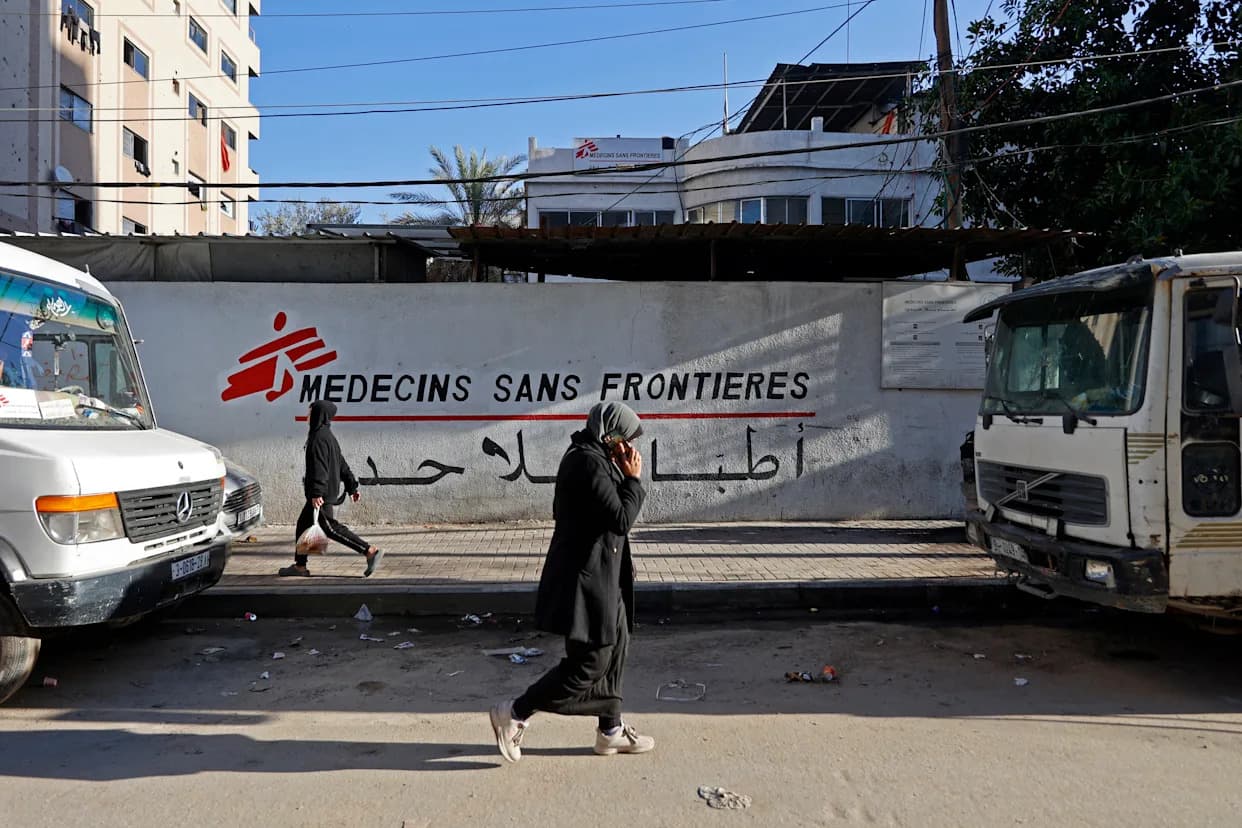
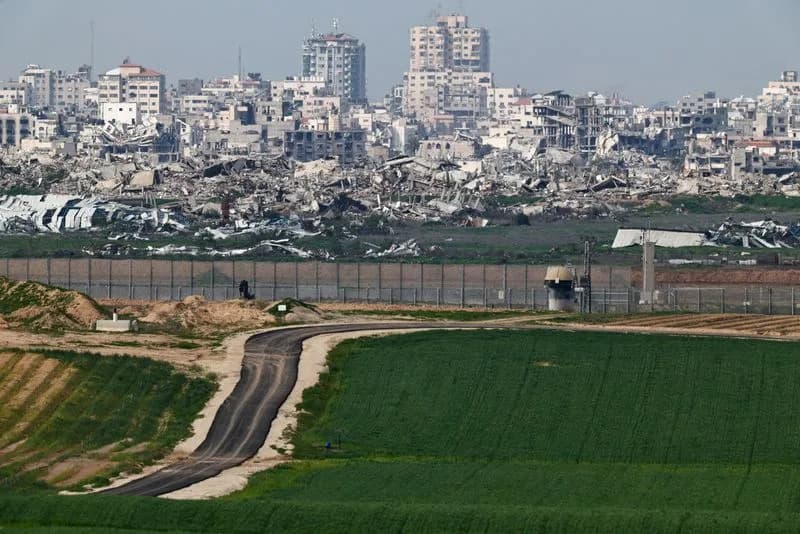
The Gaza Humanitarian Foundation (GHF) has announced it will cease operations after a five-month effort to deliver food and essential supplies to displaced Palestinians across the Gaza Strip. GHF said it completed a significant portion of its mission and will transfer its distribution approach to the newly created Civil-Military Coordination Center.
"From the outset, GHF's goal was to meet an urgent need, prove that a new approach could succeed where others had failed, and ultimately hand off that success to the broader international community,"— John Acree, GHF executive director.
Transition to a new distribution mechanism
Acree said the Civil-Military Coordination Center will adopt GHF's model, which was built to reduce the risk that aid concentrated at a limited number of militarized hubs could be diverted. GHF described the transition as a deliberate handoff now that international actors are re-engaging with humanitarian operations.
Operational and political challenges
The group’s departure comes amid reported financial strain and restrictions on its field activities following a cease-fire agreement. Over the summer, more than 100 human-rights organizations and international aid charities called for the scrapping of an Israel–U.S.–backed distribution mechanism after serious incidents during its initial month of operation.
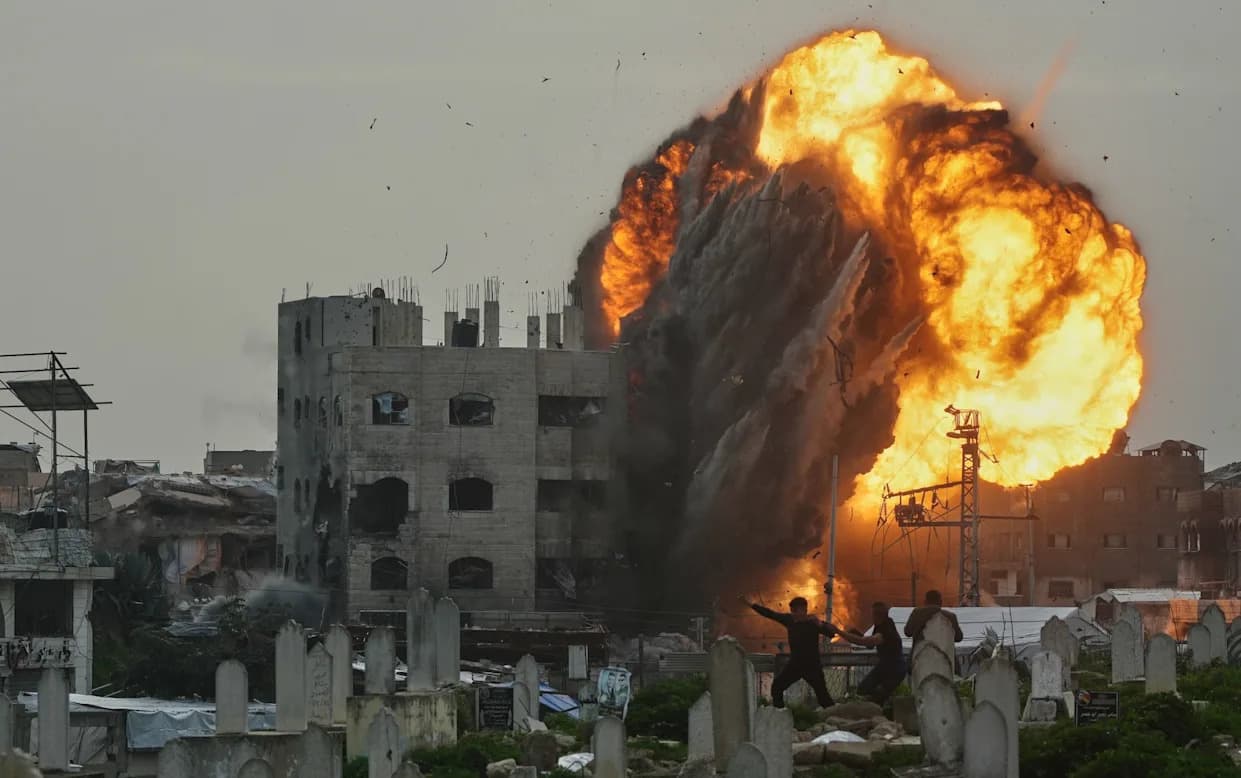
Those incidents included reports that at least 500 Palestinian refugees were killed and about 4,000 were injured during the mechanism’s first month. Following the end of the cease-fire on March 1, Israel reportedly suspended deliveries of food, water and medicine to the area, which is home to an estimated 2.5 million people.
Humanitarian toll
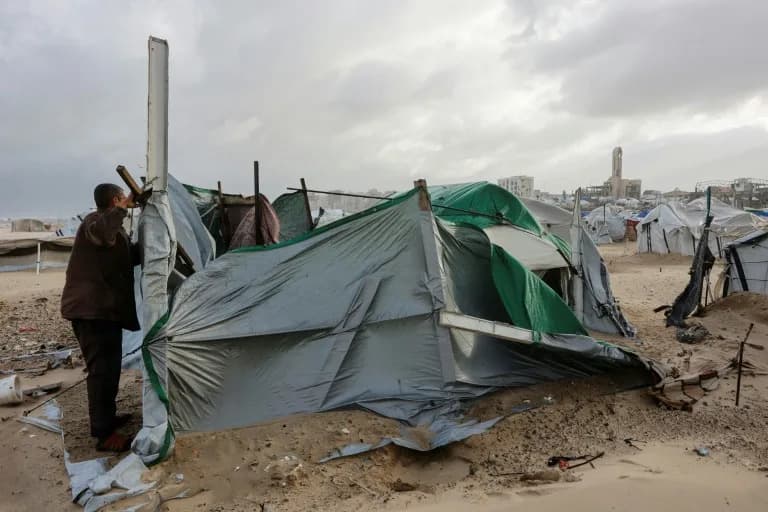
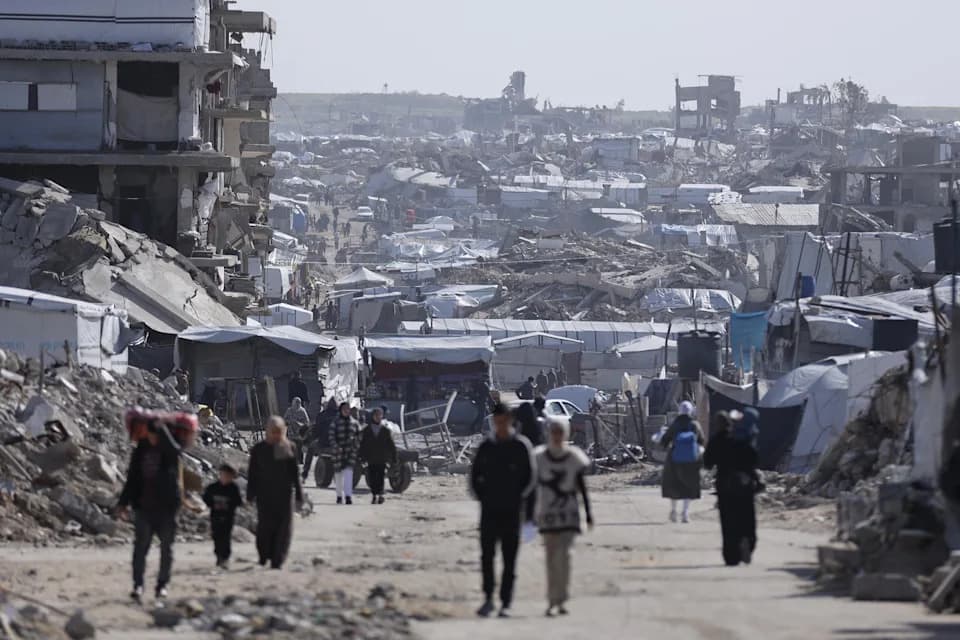
The United Nations warned that Gaza was at a "critical risk of famine," estimating roughly one in five people—about 500,000—faced starvation as the conflict continued after the Oct. 7, 2023 attack on Israel.
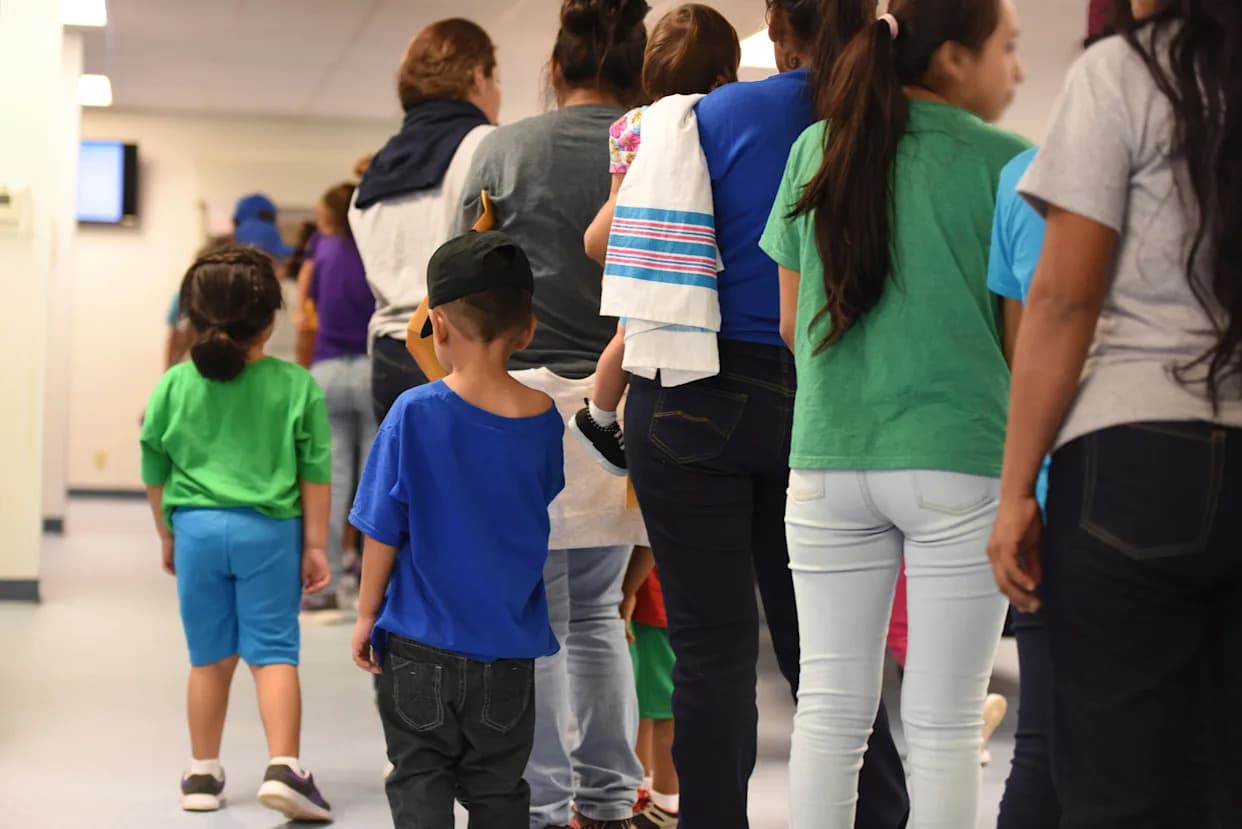
GHF reported it had distributed more than 187 million in aid to roughly 2 million displaced residents during its operation. Separately, planned expansions of humanitarian hubs—pledged by a U.S. representative to increase from three to 16—did not materialize.
What this means: GHF’s closure leaves the Civil-Military Coordination Center and the broader international humanitarian community responsible for scaling and protecting aid distribution in Gaza. The situation highlights both the urgent needs on the ground and the operational and political obstacles that complicate relief efforts.
Help us improve.