Overview: The government's plan for a national digital ID by 2029 has generated widespread debate. Far‑right figures and conspiracy voices have amplified unproven claims that the scheme would track vaccinations, carbon footprints or restrict freedoms, allegations the government denies. Public support has dropped in recent polls, nearly three million people signed a petition against the plan, and MPs will debate it in Westminster Hall on December 8. Experts say clearer communication and robust privacy safeguards are needed to counter misinformation and restore public trust.
UK Digital ID Plan Sparks National Debate as Far‑Right Amplifies Unproven Fears

The UK government's proposal for a nationwide digital ID, announced with a target rollout by 2029, has provoked broad public debate. Supporters say the system will modernise access to services and help verify the right to work; critics warn it risks creating new privacy and civil‑liberties problems. At the same time, far‑right politicians and conspiracy figures have amplified unproven claims that the scheme would be used to track vaccinations, carbon footprints or restrict freedoms.
The government has repeatedly said the ID will not be mandatory and that it will not criminalise people who choose not to have one. Officials also say digital ID will allow individuals greater control over how their data is used and will simplify access to public services.
What critics are saying
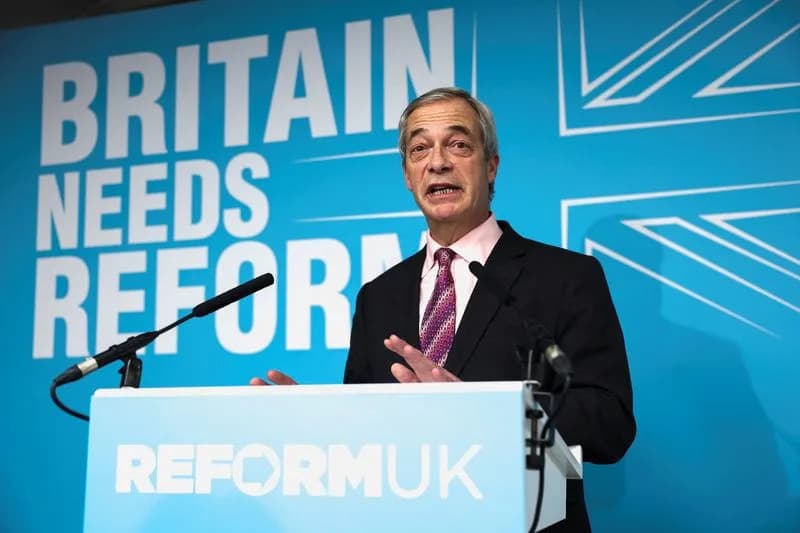
Prominent voices on the right have made alarmist statements on broadcast and social platforms. Nigel Farage has claimed medical records will be linked to the ID, while commentator Dr Renee Hoenderkamp warned that people could be denied travel or financial access for dissenting views. Organisers of protests — some with backgrounds in anti‑lockdown campaigns — argue the plan threatens freedom of choice.
"Step out of line, say something they don't like and they will switch you off: no travel, no car, no spending, no life," said Dr Renee Hoenderkamp on television.
Public reaction and misinformation
Public support fell after the announcement: a More in Common poll in late September found 45% opposed and 31% in favour, down from 53% support reported in late 2024. Nearly three million people signed a petition opposing the plan, prompting a Westminster Hall debate in parliament on December 8.
Social platforms have amplified fears via AI‑generated clips and shared images drawing comparisons with other countries' pandemic measures. Observers say that when official communications are sparse, misinformation fills the vacuum — a dynamic that helps fringe narratives spread to wider audiences.
Calls for clearer communication
Civil liberties advocates and policy experts urge ministers to present clearer, concrete safeguards about data use, retention and oversight to rebuild trust. As one analyst put it, without a comprehensive public case for the programme, "a vacuum is left" and is filled by those who assume the worst.
With parliamentary scrutiny and continuing public debate likely, the future of the digital ID plan will depend as much on policy design and legal protections as on how effectively the government addresses privacy concerns and counters misinformation.
Help us improve.