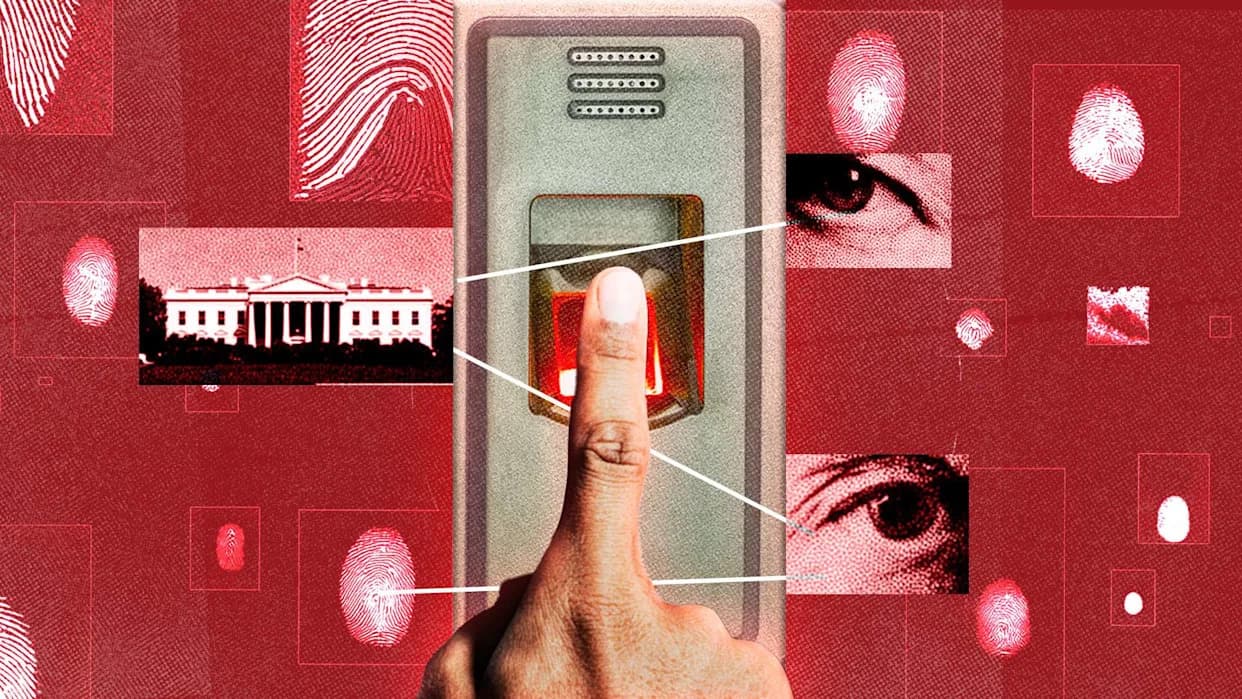
LONDON (AP) — The British government has scaled back plans to require digital identification cards for citizens and residents seeking work, abandoning a central element of a policy unveiled in September amid strong public and political opposition.
Officials confirmed on Wednesday that a digital ID will not be compulsory to obtain employment. Instead, it may be offered as one of several ways to demonstrate eligibility to work, alongside existing documents such as biometric passports.
"The digital ID could be one way you prove your eligibility to work," Transport Secretary Heidi Alexander told the BBC.
The government said detailed proposals for a digital ID system will be published only after a full public consultation to be launched shortly. The move is being framed as part of a wider review of how the system would operate and how safeguards would be built in to protect privacy and civil liberties.
Prime Minister Keir Starmer announced the policy in September, saying at the time:
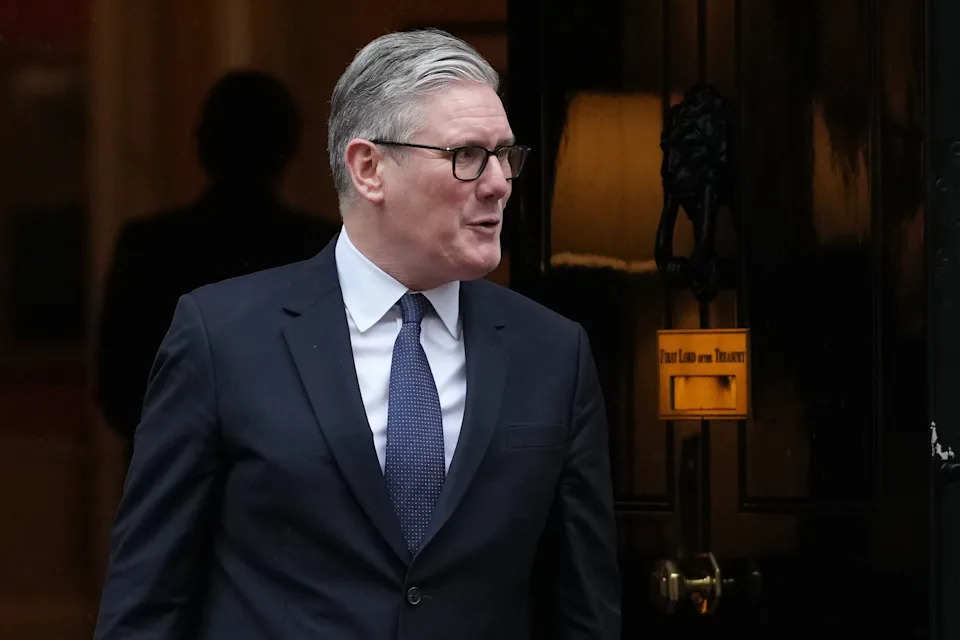
Britain's Prime Minister Keir Starmer at 10 Downing Street in London, Tuesday, Jan. 13, 2026. (AP Photo/Kirsty Wigglesworth)(ASSOCIATED PRESS)
"You will not be able to work in the United Kingdom if you do not have digital ID. It's as simple as that."
He argued the requirement would make it harder for people to work in the underground economy and help curb unauthorised immigration, while also simplifying access to health care, welfare, child care and other public services. But the proposal provoked an immediate backlash, and polls indicated public support for mandatory digital ID dropped sharply after the announcement.
Concerns and Context
Civil-rights groups warned that a compulsory digital ID scheme could infringe personal liberty and put sensitive data at risk. Critics also pointed to a previous attempt by former Prime Minister Tony Blair to introduce biometric ID cards two decades ago; that plan was abandoned after strong public and parliamentary opposition.
Opposition figures seized on the policy reversal. Conservative Party chairman Kevin Hollinrake accused the government of retreat, saying "Labour's only consistent policy is retreat." Liberal Democrat spokeswoman Lisa Smart quipped that Starmer's team must be "bulk-ordering motion sickness tablets at this rate to cope with all their U-turns."
For now, the digital ID idea remains under review. Ministers say they will outline detailed plans only after consulting the public and stakeholders, leaving the final shape and scope of any scheme uncertain.