New Delhi’s recurring smog has deteriorated into "hazardous" air, prompting protests and legal action as residents demand stronger measures. Experimental cloud seeding failed amid dry winter conditions, and experts say the technique offers at best a short-lived benefit. The city’s Red Fort is visibly blackening from pollutant deposits, and health professionals warn of serious impacts on children. Activists and petitioners are calling for sustained, source-focused policies to protect public health and heritage.
Deadly Smog Chokes New Delhi: Failed Cloud-Seeding, Blackened Red Fort and Rising Public Anger

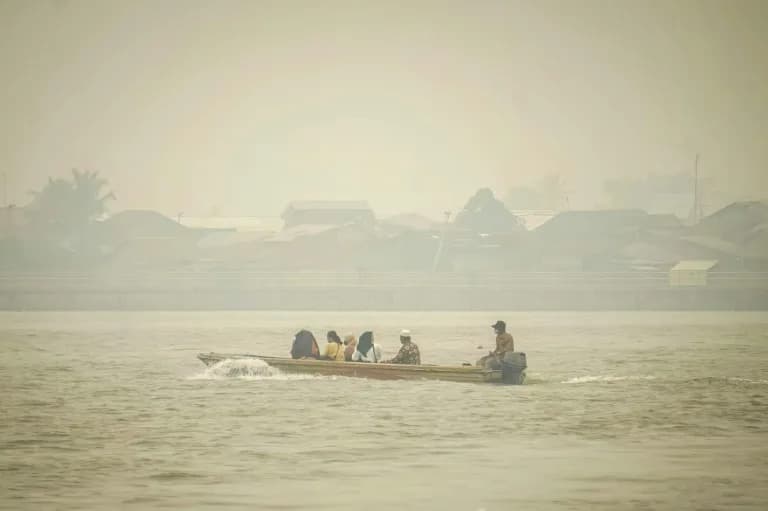
Smog season has returned to New Delhi, plunging the capital — home to roughly 34 million people — into hazardous air quality and prompting street protests. The city’s historically red sandstone monuments are darkening, children are developing persistent respiratory problems, and residents are demanding far-reaching action from authorities.
Why the skies worsened
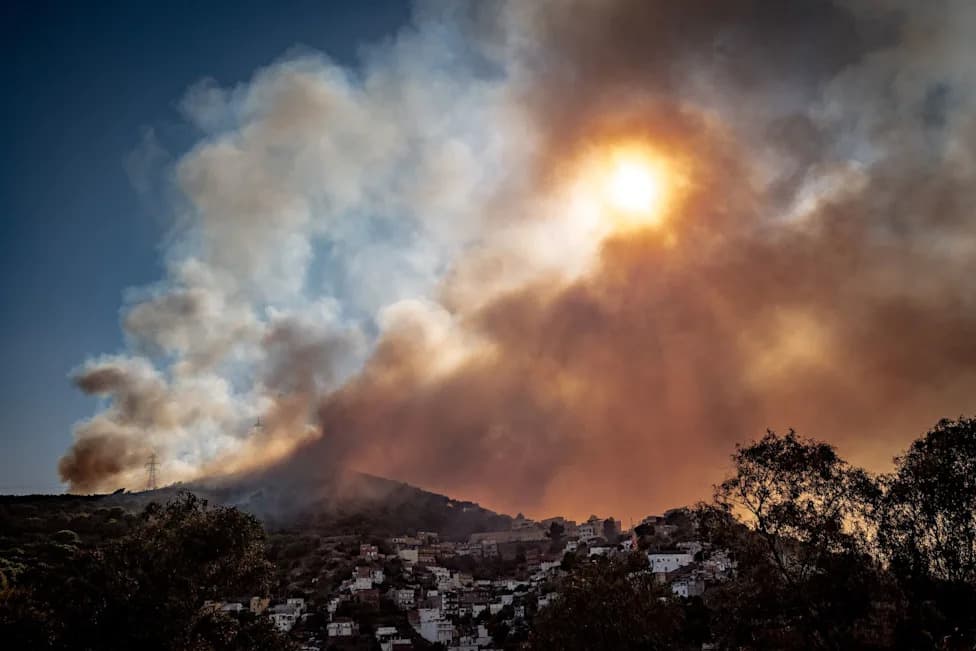
Every winter, colder, stagnant air traps emissions from traffic, industry, crop burning in nearby regions and smoke from Diwali fireworks. This seasonal layering magnifies pollution concentrations, turning the city’s air thick and hazardous. Monitors such as IQAir have repeatedly ranked Delhi among the world’s most polluted major cities.
Experimental cloud seeding and expert criticism
In an effort to hasten rainfall and wash pollutants from the atmosphere, the city launched a costly cloud-seeding experiment that involved firing flares from small aircraft to disperse silver iodide and salt compounds into clouds. Officials describe the effort as part of a wider package of anti-smog measures, including anti-smog guns on high-rises, water sprinklers for dust control and monitoring of construction sites.
Scientists and weather agencies cautioned that cloud seeding requires specific moisture-rich cloud conditions to work. The Indian Institute of Technology Kanpur, which advised on the trials, reported that three attempts "did not achieve success" because the atmosphere was too dry — relative humidity was around 15% on test days. The Indian Meteorological Department, the Commission for Air Quality Management and the Central Pollution Control Board warned that even if clouds produced precipitation, a dry layer beneath could evaporate rain before it reached the ground.
"Effective cloud seeding requires specific cloud conditions, which are generally absent during Delhi’s cold and dry winter months," experts wrote to the environment minister. Former Ministry of Earth Sciences secretary M. Rajeevan called the move "the worst possible choice to mitigate air pollution," adding that even successful seeding would only offer a temporary respite rather than addressing root causes.
Health and heritage under threat
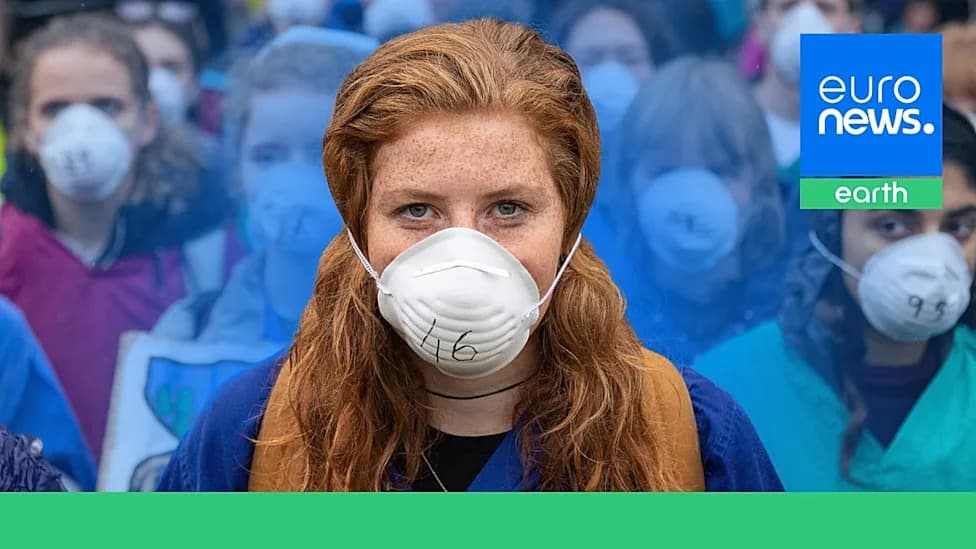
Medical professionals at recent protests emphasized the human cost. "Imagine the impact of that on a baby’s lungs," said Dr. Vandana Prasad, a pediatrician who treats young children with chronic coughs. She warned that masks are not recommended for children under 12 and urged stronger source-focused measures to protect public health.
The cultural toll is visible: a recent study found "black crusts" of amorphous carbon and heavy metals forming on the Red Fort’s red sandstone walls. "Studying important monuments like the Red Fort is crucial for promoting effective conservation policies and interventions," the researchers wrote. Workers at the fort say the stone has visibly darkened compared with decades past.
Public response and legal action
Thousands of residents have taken to the streets demanding urgent government action. At a protest near India Gate, demonstrators wearing masks and carrying nebulizers called for accountability and stronger long-term measures. Some were briefly detained for lacking permission to demonstrate.
A petition filed in India’s top court asks judges to declare air pollution a "National Public Health Emergency" and to supervise a new, enforceable anti-pollution strategy. The petition accuses authorities of underinvesting in emissions reductions and criticizes temporary fixes such as mist sprayers, anti-smog guns and artificial rain trials as symbolic rather than substantive.
Short-term controls and longer-term needs
As pollution spiked from "very poor" to "severe," the Graded Response Action Plan (GRAP) was activated: schools up to Grade 5 moved to hybrid instruction, non-essential construction was paused and the most polluting vehicles were temporarily banned from roads. Officials say these steps are part of the emergency response, but protesters and experts urge structural reforms.
Health studies and the 2025 State of Global Air report indicate a large burden of pollution-related deaths in India; the report estimated that India accounted for nearly 30% of global air pollution–related deaths in 2023. Environmentalists and medical professionals call for sustained investment in cleaner public transport, stricter industrial emissions controls, incentives to curb crop burning, and tighter enforcement of construction and vehicular pollution standards.
Residents say they will continue to press for change until authorities adopt measurable, source-focused policies that protect health and heritage alike. "We’re here protesting because it’s our responsibility to speak up," said Dr. Prasad. "I hope the government listens."
Help us improve.