More than 180 countries are meeting in Samarkand for CITES talks that could tighten protections for sharks, expand eel trade restrictions and reopen debate over limited government sales of rhino horn and ivory. Supporters of broader eel listings say juvenile eels are hard to distinguish between species, risking continued trade in the critically endangered European eel. Japan has strongly opposed blanket eel listings, warning of higher prices and increased smuggling, while conservation groups warn legal sales of horn and ivory could fuel illegal markets. The talks run until December 5 and will determine whether these contentious proposals can secure the necessary support.
Sharks, Eels and Controversial Rhino Horn Sales Take Center Stage at CITES Talks in Samarkand

Delegates from more than 180 countries have convened in Samarkand, Uzbekistan, for high-stakes negotiations under the Convention on International Trade in Endangered Species of Wild Fauna and Flora (CITES). Over the coming days they will debate dozens of proposals that could reshape international trade rules for some of the world's most threatened animals and plants.
CITES, which marks five decades as the leading global framework for regulating wildlife trade, currently covers roughly 36,000 species. At this meeting, members will weigh measures ranging from tougher protections for several shark species to contentious proposals to allow limited government sales of rhino horn and elephant ivory, and expanded restrictions on the eel trade.
How CITES listings work
CITES classifies species into appendices that determine trade controls. Appendix I lists species threatened with extinction and effectively prohibits commercial trade. Appendix II includes species that require export permits and additional scrutiny to ensure trade is sustainable.
Eels: a complex and contested proposal
Supporters of expanding protections say juvenile eels — the life stage most commonly traded — are difficult to distinguish by species, increasing the risk that the critically endangered European eel (Anguilla anguilla) is mislabelled and traded as other varieties. Anguilla anguilla has been on Appendix II since 2009. Several countries now want additional eel species added to Appendix II to tighten controls on international trade.
Japan, a major consumer of eel, has mounted a determined lobbying push against a blanket listing. In a detailed submission, Japanese officials warned that listing all eel species could "undermine the credibility of this institution," risk driving up prices and prompt "increased malicious poaching and smuggling." The debate highlights tensions between conservation priorities and cultural and economic interests tied to traditional seafood markets.
Rhino horn and ivory: reopen markets or protect species?
Some proposals would allow governments to sell existing stockpiles of elephant ivory and rhino horn, with proponents arguing that controlled sales could generate funds for conservation and management. Opponents, including many conservation groups, caution that reopening legal trade creates channels for laundering illegal ivory and horn into markets, particularly in parts of Asia.
"As soon as you open up that legal trade it just provides avenues for illegal ivory and illegal rhino horn to be laundered into those markets in Asia where it has caused so much problems," said Matt Collis, senior director for policy at the International Fund for Animal Welfare. "CITES tried this twice in the past, the last time was particularly disastrous... The last thing we want to do is to go back to that."
Namibia is among the countries advocating for controlled sales, arguing that revenues are needed to prevent declines in rhino populations and to support habitat conservation. A similar proposal was rejected at the previous CITES meeting in 2022.
Shark protections: moves toward stronger safeguards
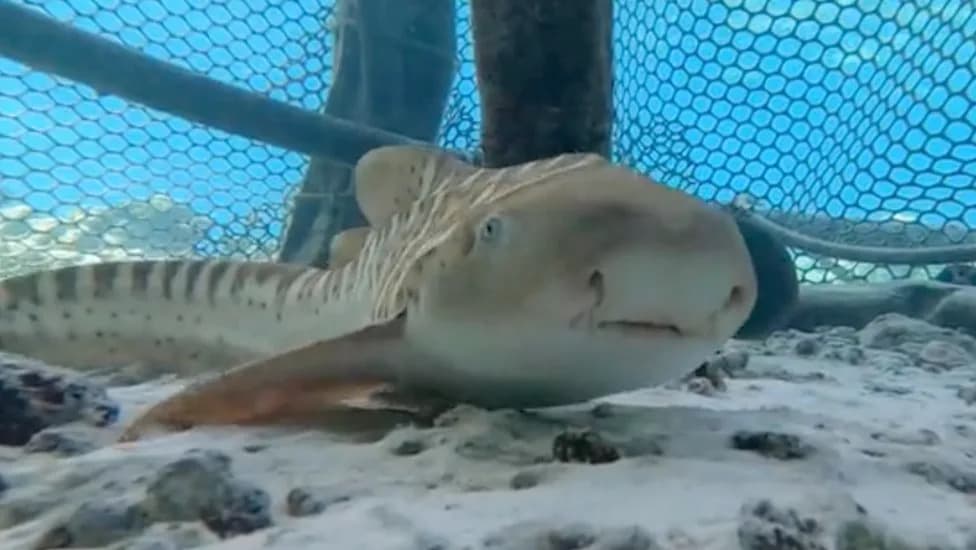
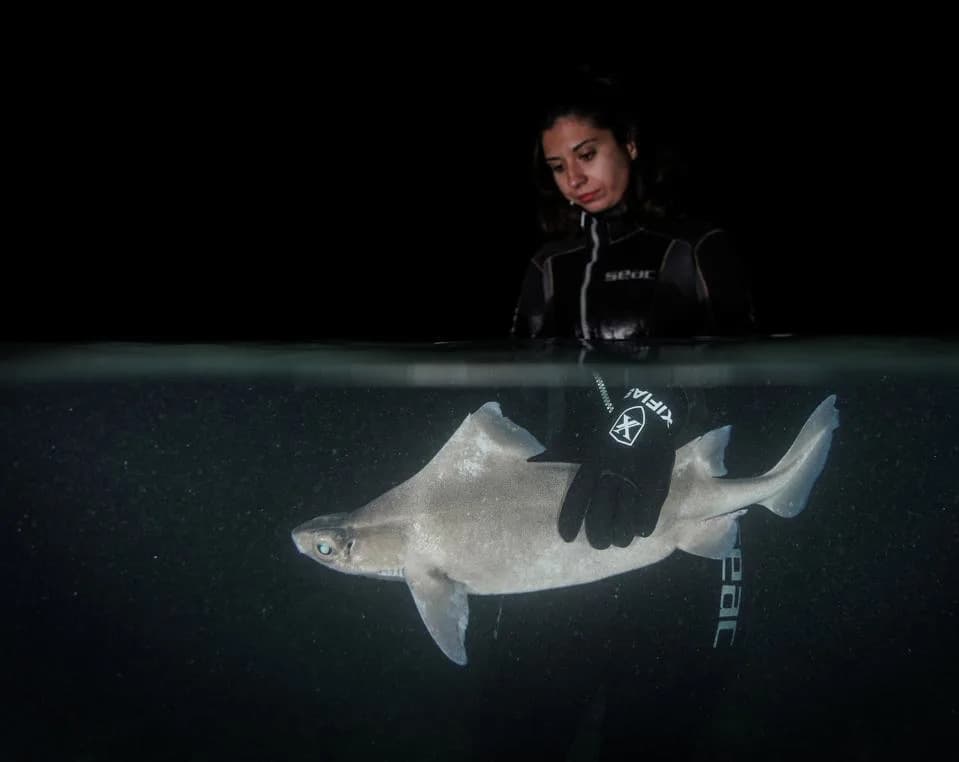
Delegates will also consider elevating protections for several shark species. One high-profile proposal would list the critically endangered oceanic whitetip shark on Appendix I, effectively banning international trade; experts say this measure is likely to secure the two-thirds majority required. Other proposals — including trade limits for whale sharks and gulper sharks sought for liver oil — may encounter closer scrutiny and debate.
In 2022, CITES members approved Appendix II protections for dozens of shark species despite opposition from some nations. This year's discussions may further reshape how international trade rules are used to protect vulnerable marine life.
The Samarkand meeting runs through December 5 and will test whether contentious measures can build the consensus required under CITES procedure.
Help us improve.