Lawmakers face a year‑end deadline to extend Obamacare subsidies that help keep premiums affordable. Economists Betsey Stevenson and Justin Wolfers warned that replacing those subsidies with direct cash payments — as President Trump has proposed — could leave vulnerable people underinsured and may not stabilize markets. They urged a bipartisan solution to protect consumers and prevent premium spikes. Immediate congressional action is needed to avoid disruption.
“Live Free and Die”: Economists Warn Trump’s Cash‑For‑Care Proposal Could Raise Premiums

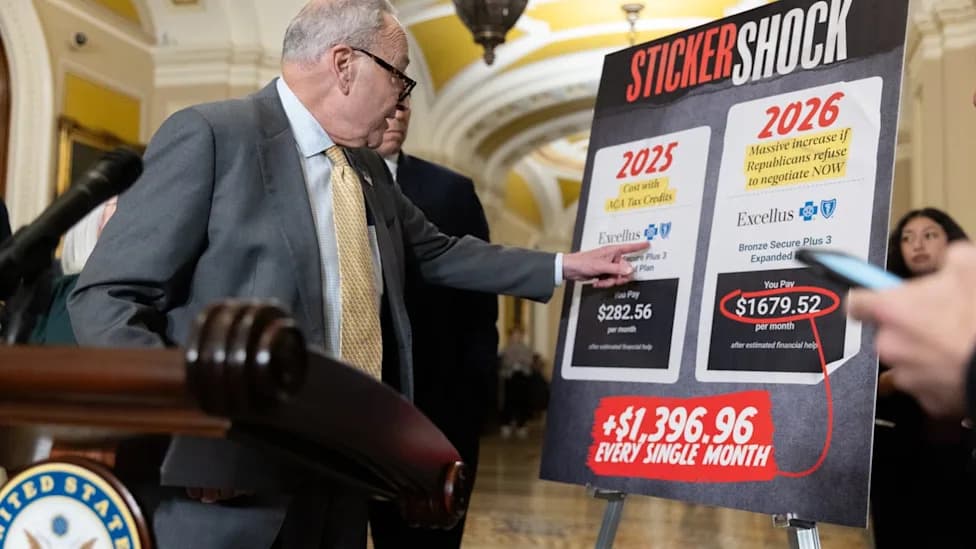
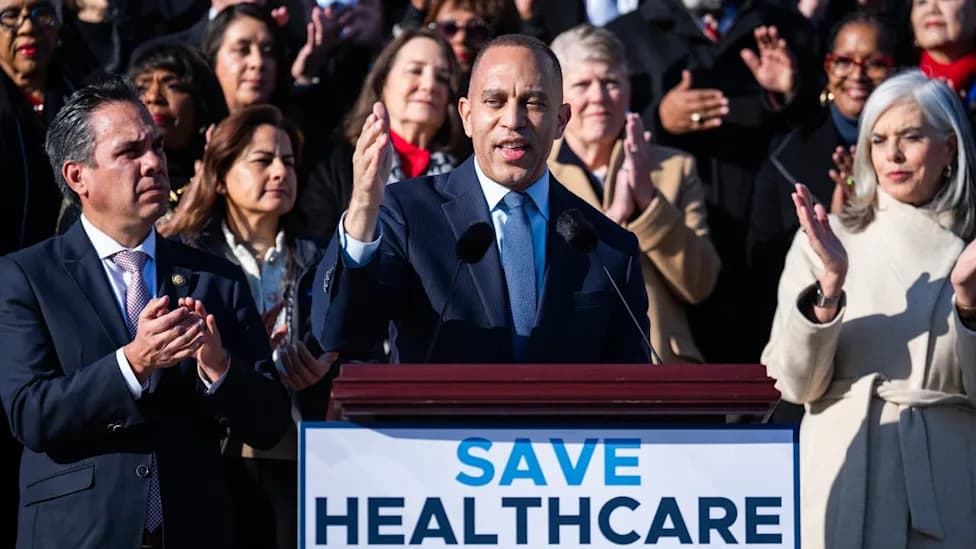
Lawmakers are racing to resolve the scheduled year‑end expiration of Obamacare (ACA) subsidies — a deadline that could leave millions of Americans facing significantly higher insurance premiums. Economists Betsey Stevenson and Justin Wolfers warned on the weekend program that unless Congress acts, consumers and markets will feel immediate pain.
President Donald Trump has pushed a plan to replace insurer subsidies with direct cash payments to individuals to help cover health costs. Proponents argue cash gives consumers more flexibility, but critics say it risks leaving low‑income and high‑need patients underinsured — and it may not stabilize insurance markets.
What’s at stake
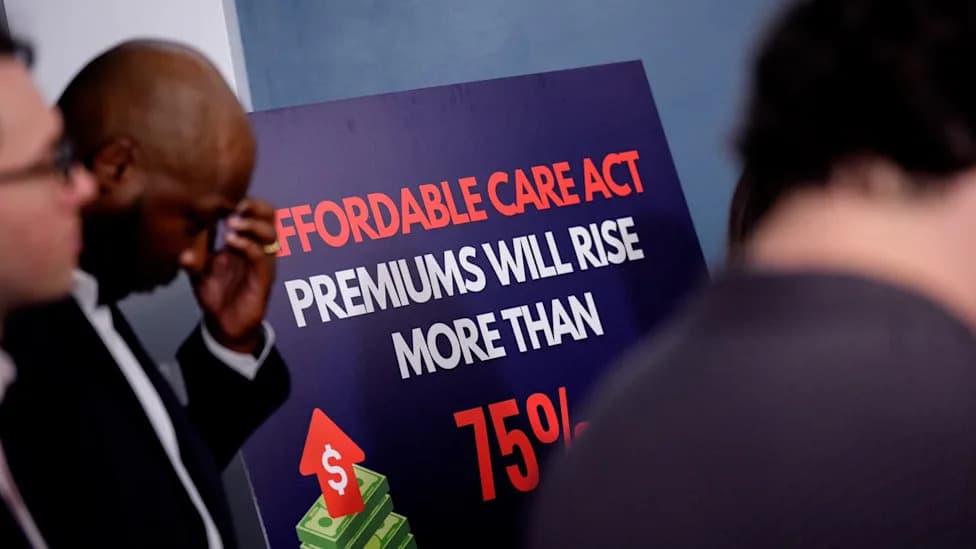
If ACA cost‑sharing or premium subsidies lapse, insurers could adjust rates to reflect the loss of federal assistance and the resulting enrollment changes. That could drive up premiums, narrow plan networks, and reduce coverage options, particularly in states and regions with fewer competing insurers.
Economists’ concerns
Stevenson and Wolfers cautioned that direct cash payments are not a like‑for‑like substitute for targeted subsidies. They noted that cash may not be sufficient for people with large medical needs, and that market uncertainty ahead of the deadline could itself push premiums higher. Both urged lawmakers to pursue a bipartisan, targeted fix that preserves access and market stability.
Bottom line: Congress needs to move quickly to avoid a policy gap that could increase costs and destabilize coverage for vulnerable Americans.
What comes next
Negotiations in Congress are unfolding amid competing proposals. Possible outcomes include a short‑term patch extending subsidies, a longer legislative replacement, or adoption of direct payments with additional safeguards. The paths lawmakers choose will determine whether millions keep affordable coverage or face sharper price spikes in the coming year.
Help us improve.