An Alaska trial planted kale, spinach and potatoes between rows of a large solar array and found that crops nearest the panels sometimes grew better than those farther away. Researchers attribute the improvement to partial shading during long summer days and to water runoff collected by panels. The experiment produced promising results, but the team cautions they are based on a single season and recommend multi-year study to confirm the effects.
Alaska Trial Finds Solar Panels Can Improve Nearby Crop Growth — A Boost for Agrivoltaics
Researchers testing whether photovoltaic arrays and food crops can share the same land in Alaska found a surprising benefit: vegetables planted closest to solar panels sometimes grew better than those farther away.
The trial was conducted near Houston, Alaska, about an hour's drive from Anchorage, at the site of the state's largest solar array. Funded by the U.S. Department of Energy and led by Glenna Gannon of the University of Alaska Fairbanks, the team planted kale, spinach and potatoes in the lanes between rows of panels.
What the team observed
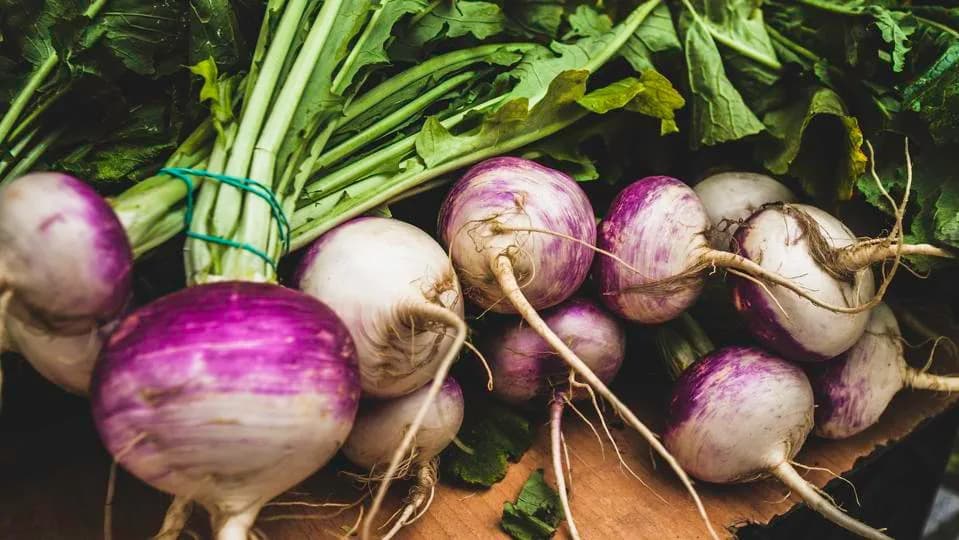
Plantings between the panels produced healthy yields, and researchers noticed a clear visual difference: spinach and other leafy greens grown nearest the panels appeared darker and more vigorous than those farther away.
"The color difference in the spinach is fascinating," said Jessie Young-Robertson, a professor at the University of Alaska Fairbanks who analyzed the harvest. "The plants that are closer to the panels are more protected. Ones farther away get more solar stress."
Why proximity to panels may help plants
- Partial shading: During Alaska's very long summer days, the panels provided intermittent shade that likely reduced intense sunlight and heat stress at peak hours.
- Water runoff and microclimate effects: Panels can channel rain and meltwater toward their bases, increasing soil moisture nearby. The structures may also create a slightly altered microclimate that benefits some crops.
Implications and caveats
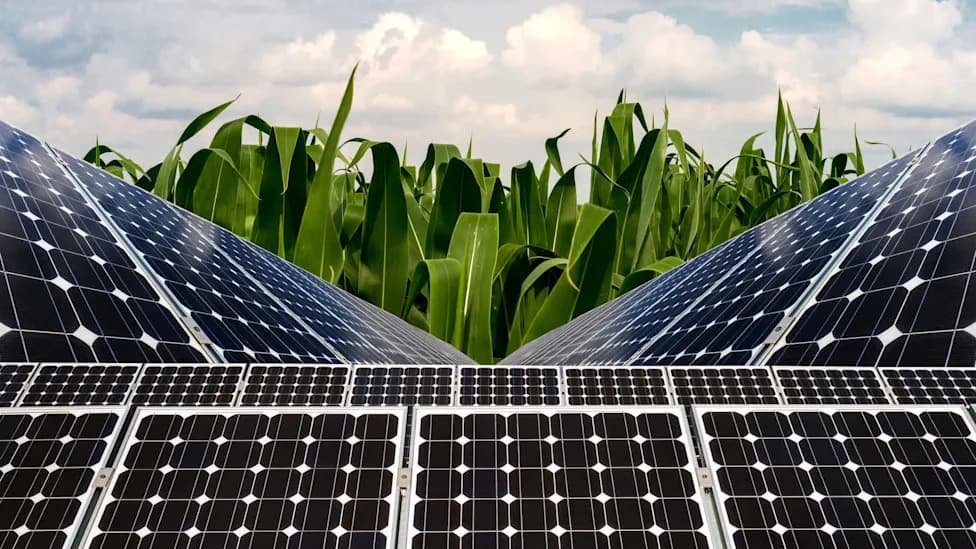
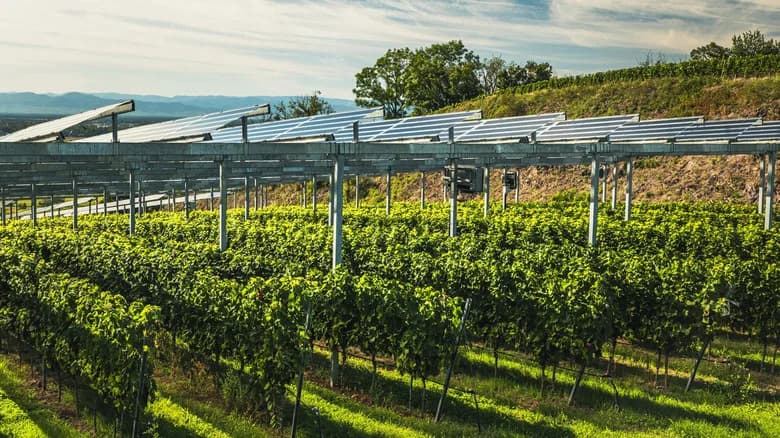
The findings are promising for agrivoltaics—the practice of co-locating solar generation and agriculture—because they suggest both food and energy can be produced on the same acreage. This could be especially valuable in regions with limited land or high food and energy costs, such as Alaska. Chris Pike, a former research engineer, noted that allowing crops to grow between panels can create an additional revenue stream for landowners and reduce vegetation-removal costs for solar operators.
However, researchers emphasize that the current results come from a single growing season. "There is a lot of year-to-year variability," Gannon said, adding that agricultural trials typically rely on multi-year averages (often three years) to confirm trends.
Next steps include repeating the experiment across additional seasons and sites, testing a wider range of crops, and quantifying yield, water use, and economic impacts to determine when and where agrivoltaics delivers consistent benefits.
Help us improve.