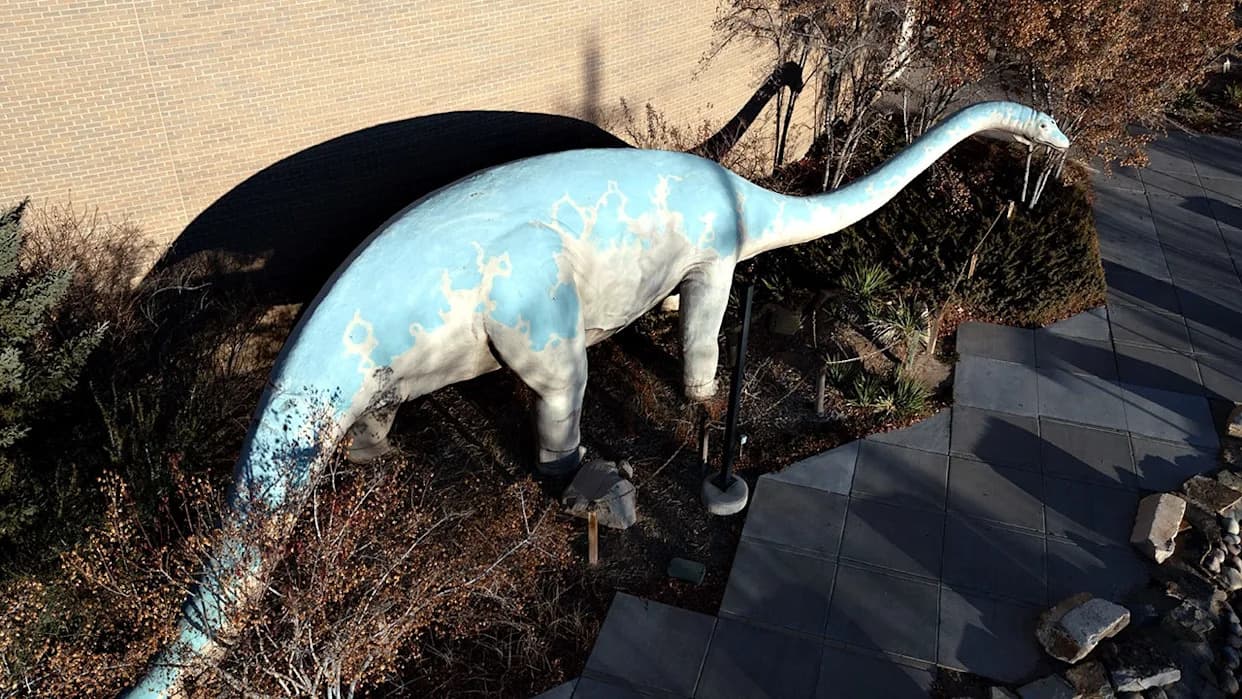
The Tenontosaurus, an Early Cretaceous ornithopod, was first described in the 1960s after major Yale-led excavations. During unrelated fieldwork in West Texas, UTEP's Jason W. Ricketts found fragmentary Tenontosaurus fossils—including a femur—weathering out of shale. Published in the New Mexico Museum of Natural History and Science Bulletin, the fragments extend the dinosaur's known southern range beyond previous finds in Utah and Wyoming. The discovery underscores the ongoing value of fieldwork and reexamining underexplored regions and collections.
Accidental Fossil Find in West Texas Extends Tenontosaurus' Known Range

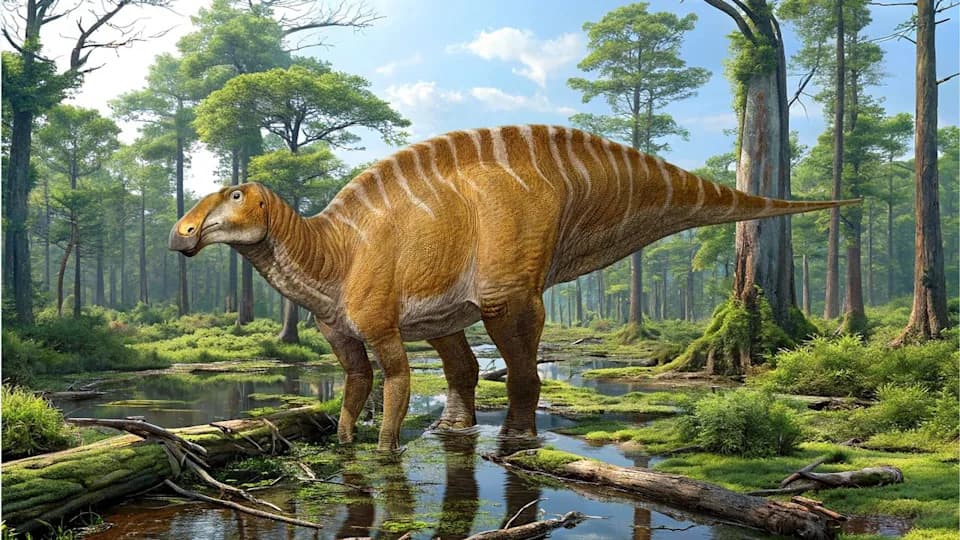
The Tenontosaurus was a sizable ornithopod that typically walked on all fours and lived during the Early Cretaceous, roughly 110–120 million years ago. Although the genus was first formally described in the 1960s after Yale-led digs under John Ostrom recovered more than 40 specimens, new field evidence shows the dinosaur's range may have been broader than previously documented.
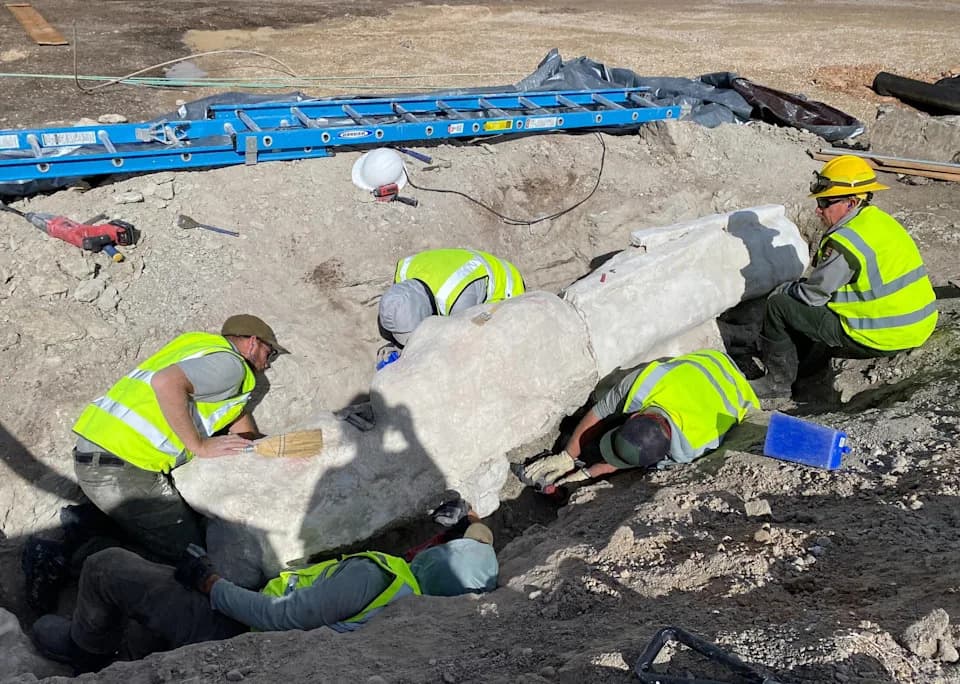
While conducting unrelated geological fieldwork in West Texas, Jason W. Ricketts, an associate professor in the Department of Earth, Environmental and Resource Sciences at the University of Texas at El Paso, discovered scattered fossil fragments weathering out of soft shale. The assemblage is fragmentary but includes a large femur among other elements.
"I was studying the rocks in the area when I noticed fragments weathering out of soft shale. There was no need to excavate—I simply picked them up," Ricketts said, noting that his family helped collect the pieces during the unexpected discovery.
The material is described in a paper published in the New Mexico Museum of Natural History and Science Bulletin. Although the remains are fragmentary and research is ongoing, the specimens are scientifically important because they extend the southernmost known occurrence of Tenontosaurus into West Texas. Until now, most documented finds of this genus were concentrated to the north and west, in Utah and Wyoming.
Why this matters
Extending Tenontosaurus' range has implications for how paleontologists interpret Early Cretaceous ecosystems and the animal's ability to inhabit diverse environments. The discovery highlights two broader points: the continued value of on-the-ground fieldwork in underexplored regions, and the potential for important finds to appear unexpectedly—either in the field or when revisiting museum collections.
Past surprises in paleontology include new species identified in long-stored museum material and reports of soft-tissue structures in long-studied fossils, both underscoring that important discoveries can come from careful reexamination as well as chance field finds. The West Texas material may prompt further surveys in that region and encourage renewed attention to overlooked sites and collections.
Next steps: Researchers will continue to study and compare the fragments to better understand their age, anatomical affiliation, and what they reveal about Tenontosaurus distribution and paleoecology. In the meantime, the find serves as a reminder that even modest, serendipitous discoveries can reshape scientific understanding.
Help us improve.