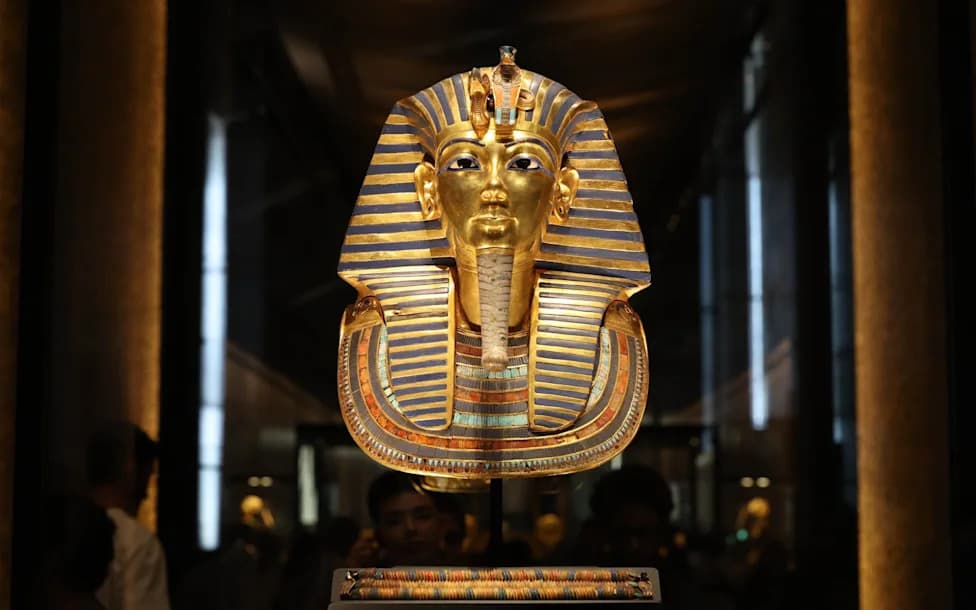
Tutankhamun’s legacy is shaped as much by modern controversy as by ancient history. Debates persist over his cause of death, whether KV62 was a hurried or repurposed tomb, and the damaging excavation methods used in 1922. Additional disputes include alleged thefts, the marginalised role of Egyptian workers, press management that stoked political tensions, conservation mishaps, and unresolved DNA questions about his parentage.
10 Major Controversies That Still Surround King Tutankhamun

Tutankhamun — the boy king of Egypt’s 18th Dynasty — continues to fascinate because his story keeps changing as new research emerges. Though he ruled only a decade and was largely forgotten until his tomb was opened in 1922, the finds from KV62 have sparked a century of scientific debate, political disputes and ethical questions about archaeology and museum practice.
1. How did he die?
Determining the cause of death for a teenager who lived more than 3,000 years ago is a complex forensic problem. Early X-rays showed a loose skull fragment and inspired assassination theories, but later high-resolution CT scans suggest the fragment probably detached after burial. Modern studies point to a combination of factors — malaria, a degenerative bone condition, and possibly a severe leg injury from a chariot accident — any of which (or a combination) could have proved fatal.
2. Was KV62 intended for Tutankhamun?
Visitors are often surprised by the modest scale of KV62. The cramped layout and relatively small size have led many scholars to suggest the tomb may have been repurposed at the last minute — perhaps adapted from a burial prepared for a lesser noble or a short-lived successor — after the young pharaoh died unexpectedly.
3. Evidence of a hurried burial
Paint and decoration in the burial chamber show signs of haste. Microbial growth on painted surfaces indicates pigments may not have fully dried before the tomb was sealed, which supports the idea that officials rushed the interment during a chaotic transition of power.
4. The role of Egyptian workmen
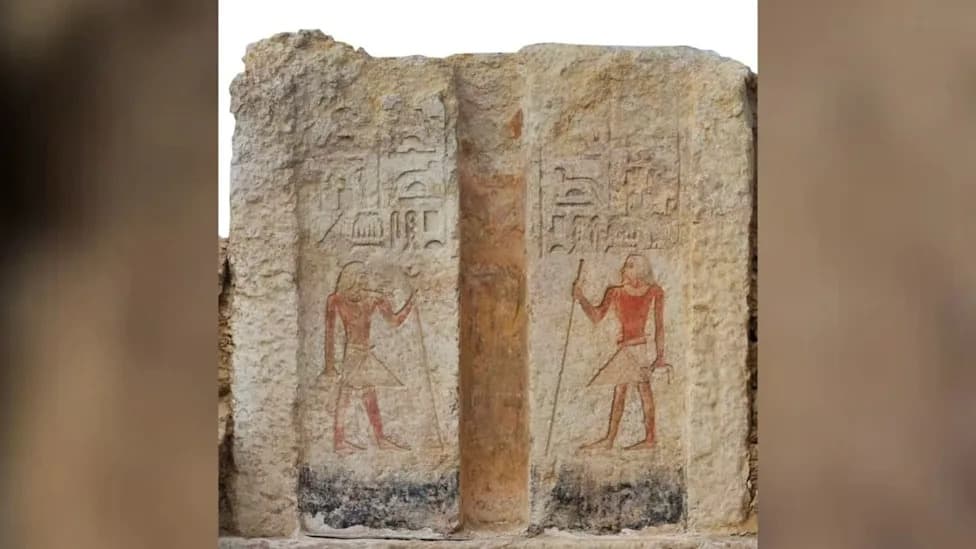
The popular image of a lone Western discoverer overlooks the Egyptian labour force that made the excavation possible. Contemporary photographs and oral histories show local work crews — including teenagers — formed the bulk of the workforce. A young worker named Hussein is credited with first finding access to the tomb, a reminder that local hands were essential even as Western figures dominated publicity.
5. Allegations of theft and unethical collecting
Questions about the behaviour of some early excavators persist. Rumours that small objects from KV62 found their way into private collections were later supported when artifacts matching tomb items emerged in museums and private holdings, and some disputed pieces were traced back to members of the excavation team. Such episodes violated archaeological principles that finds belong to the site and the public record.
6. Press strategy and political fallout
The discovery produced an international media frenzy. To manage press attention, the excavation team entered into an exclusive arrangement with a single foreign newspaper, which denied many Egyptian journalists direct coverage. That decision intensified anti-colonial resentment and made the excavation a political flashpoint, raising enduring questions about control of heritage and who gets to tell the story of national treasures.
7. Damage from early excavation methods
The condition of Tutankhamun’s mummy reflects past practices that would now be considered unacceptable. Hardened embalming resins glued the wrappings to the coffin and trapped jewelry inside the bandages. To retrieve valuables, early excavators used heated tools and at times severed limbs and the head to remove masks and ornaments, and they even exposed the body to heat in attempts to soften resin. Those interventions destroyed anatomical context and hampered later scientific study.
8. The treasures as diplomatic tools
In the modern era, Tutankhamun’s objects have been used for diplomacy. International exhibitions beginning in the 1970s helped foster cultural exchange and were deployed to improve bilateral relations. While these tours generated public interest and revenue, they also raised complex questions about ownership, conservation, and how antiquities are used in statecraft.
9. Recent conservation scandals
High-profile conservation mistakes have renewed scrutiny of museum practices. In 2014, the funerary mask’s braided beard was accidentally dislodged and initially repaired with an inappropriate adhesive, leaving visible residue and causing surface damage when attempts were made to remove it. The incident underscored the need for professional conservation protocols and international collaboration in preserving fragile artifacts.
10. Unresolved family relationships
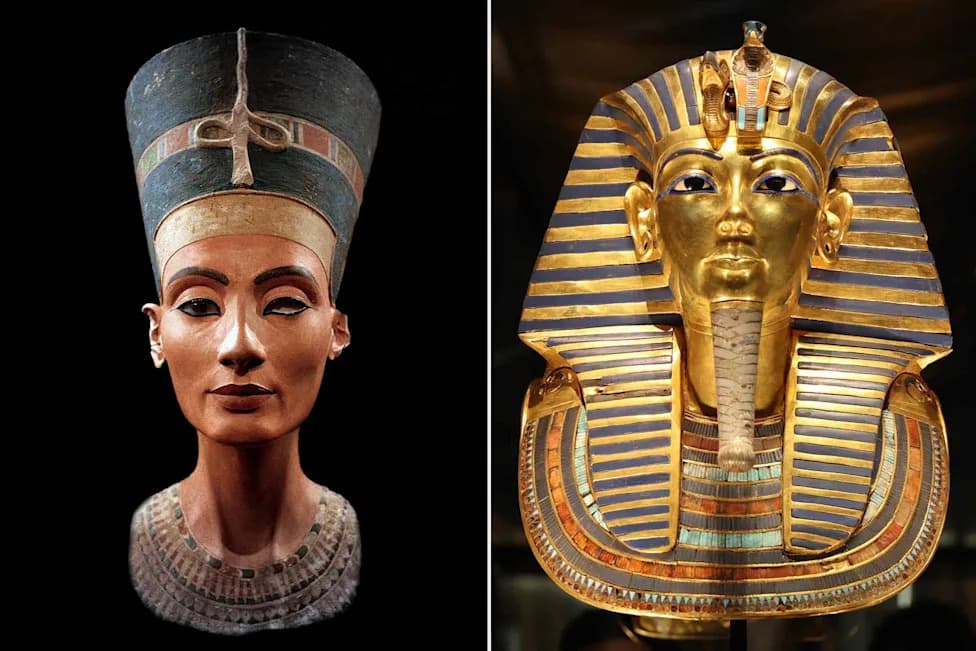
The Amarna period royal family tree remains difficult to reconstruct. DNA tests have identified a mummy called the 'Younger Lady' as Tutankhamun’s mother, but her identity — whether she was Nefertiti, a lesser wife such as Kiya, or another royal relative — is still debated. Close kin marriages in the dynasty complicate genetic interpretation and make the question of lineage central to understanding his health and legitimacy.
Taken together, these controversies provide a richer, messier portrait of Tutankhamun: not just a glittering symbol of ancient Egypt, but a case study in how archaeology, politics, nationalism and scientific practice intersect. As the Grand Egyptian Museum and new research projects continue to publish findings, the debates about the boy king are likely to keep evolving.
Help us improve.