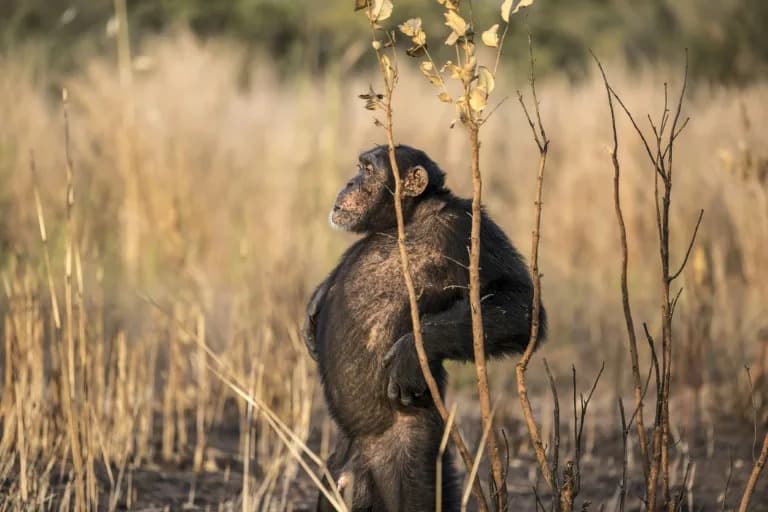
The CDC has directed an end to all primate research at its Atlanta facilities, affecting about 200 macaques used in infectious-disease studies. Agency officials say studies will be phased out by year-end as part of a push to reduce animal use and expand nonanimal methods. Researchers warn stopping work midstudy could lead to lost data, though CDC's primate work represents a small share of U.S. primate research that continues at NIH-funded centers.
CDC Orders End to Primate Research — Fate of About 200 Macaques Unclear

The U.S. Centers for Disease Control and Prevention has instructed staff to end all primate research at its Atlanta headquarters, a move that affects roughly 200 macaques used in infectious-disease studies such as HIV and hepatitis. Agency officials say the work will be wound down by the end of the year, but the final disposition of the animals has not been made public.
JoAnne Flynn, a distinguished professor and chair of microbiology and molecular genetics at the University of Pittsburgh who develops nonhuman primate models for tuberculosis, called the decision "very concerning." She emphasized that, for some infectious-disease questions, experiments must be performed in systems very similar to humans and that nonhuman primates are used only when mice, cell cultures or other models are inadequate.
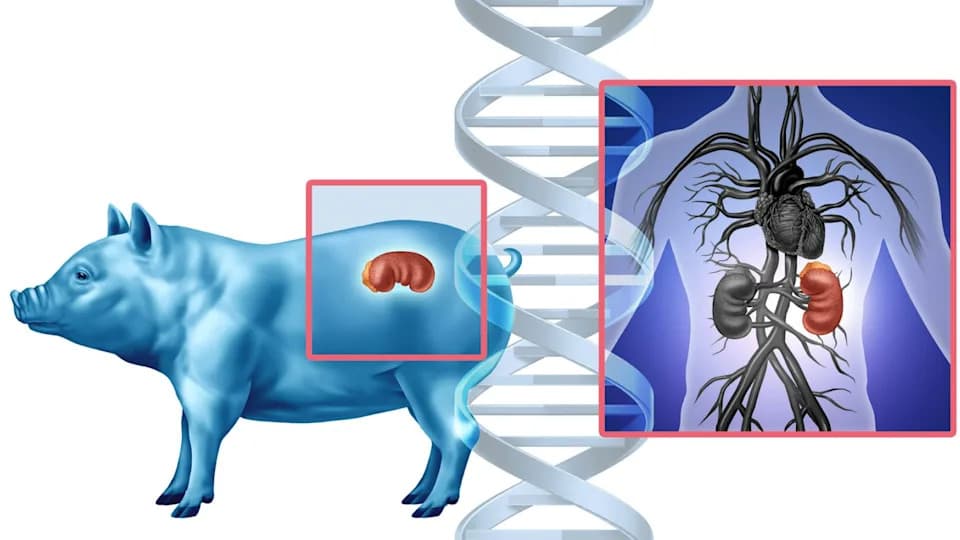
The change comes as federal research agencies move to reduce reliance on animal studies and invest more in chip-based and cellular models and other alternatives. A CDC spokesperson said the agency is committed to "the highest standards of ethical and humane care" and aims to minimize animal use by following the principles of replacement, reduction and refinement while ensuring research integrity that protects public health.
"CDC regularly evaluates its research portfolio, including nonhuman primate studies, and seeks nonanimal methods when feasible while preserving the integrity of work that protects public health," the spokesperson said.
According to internal notification, the CDC's deputy chief of staff informed employees of the decision; the directive was reportedly issued by Health and Human Services Secretary Robert F. Kennedy, Jr. Some researchers worry that halting studies midstream could result in lost data and wasted effort, particularly in long-term experiments that cannot be easily resumed.
At the same time, experts note that the CDC's primate program represents only a small portion of U.S. nonhuman primate research, much of which continues at NIH-funded centers and universities where studies are peer-reviewed and justified as requiring primate models rather than laboratory substitutes.
What to watch next: clarity on the animals' disposition, the timeline for winding down studies, and how CDC researchers will transfer or archive ongoing work. The decision may also influence broader investment patterns in nonanimal research platforms and federal research priorities.
Help us improve.