The Midwest's prolonged drought has reduced pasture productivity, forcing many Illinois cattle producers to purchase harvested forage to meet herd nutritional needs. That stored feed is costlier and more labor-intensive, straining farm budgets and potentially affecting the broader beef supply. Experts link the trend to climate-driven warming that increases evaporation and alters precipitation patterns, while researchers test drought-resilient crops as a longer-term solution. Individual actions—water conservation and support for cleaner-energy policies—can help reduce long-term drought risks.
Midwest Drought Forces Illinois Farmers to Buy Costly Harvested Forage

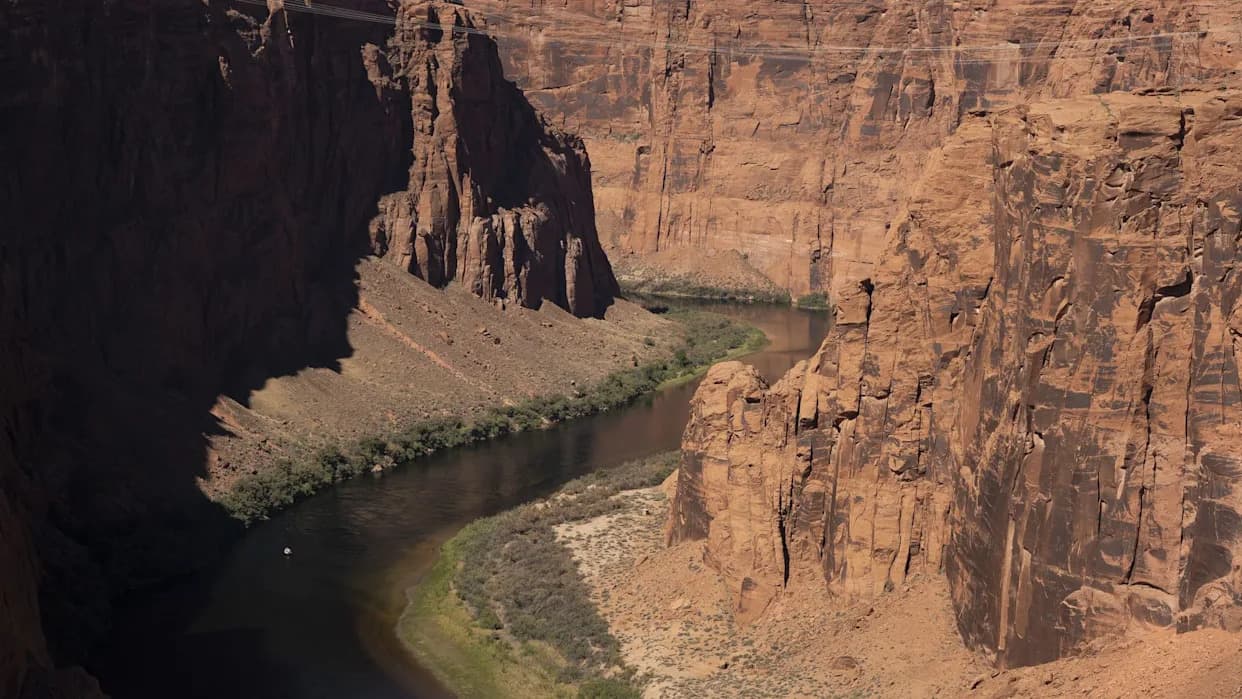
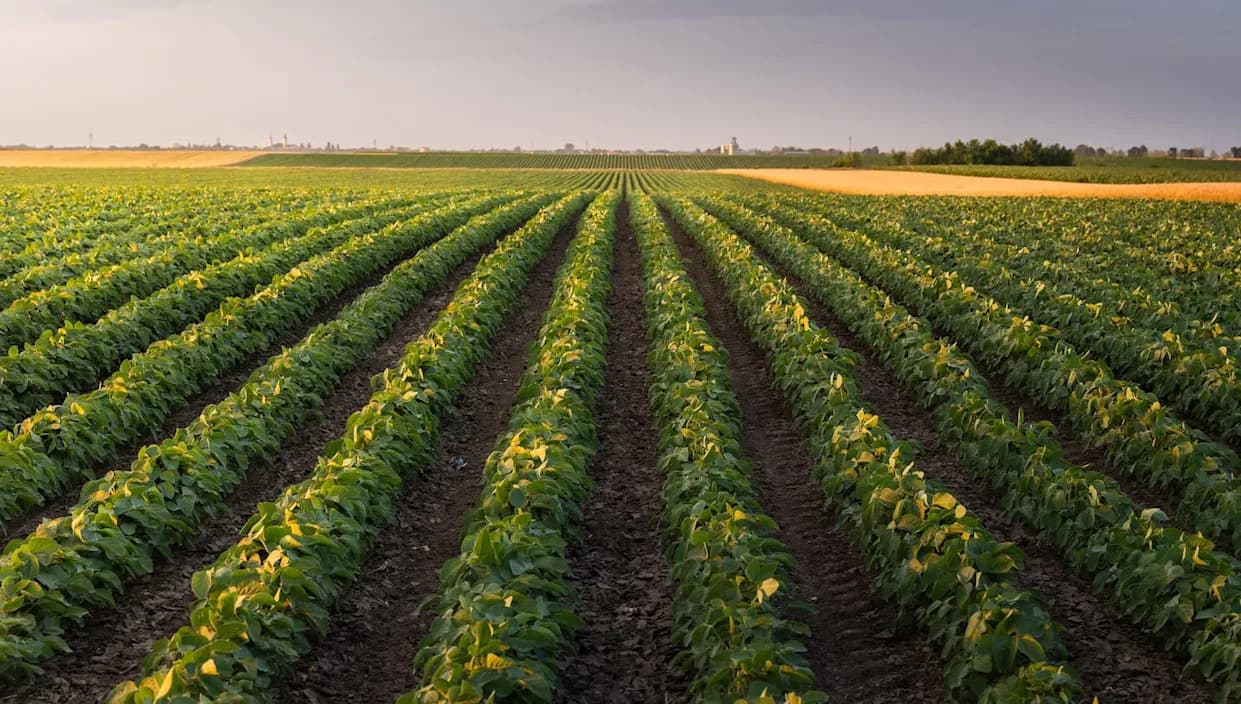
The prolonged drought across the American Midwest has left pasture grasses too sparse to meet cattle nutritional needs, pushing Illinois ranchers to rely more heavily on purchased and stored harvested forage. That feed — crops grown specifically to feed livestock — is more expensive and labor-intensive than letting cattle graze, putting additional strain on farm budgets as producers try to protect herd condition before calving season.
Harvested forage can keep animals fed when pastures fail, but it raises costs and logistical challenges. "Where we do have water, there's no better way to save about a dollar, or $1.50, per head per day by just grazing some corn stalks," said Travis Meteer, a beef extension specialist at the University of Illinois. Farmers are buying, transporting and storing more feed to avoid losing body condition in their cows as calving approaches.
Travis Meteer: "The last thing we want is to have cows with limited forage availability and limited feed, to take body condition score off going into calving season."
According to the U.S. Drought Monitor, nearly two-thirds of the Midwest is experiencing some level of drought. That widespread moisture shortfall reduces pasture productivity and forces many producers to stretch already-tight budgets. If drought persists or worsens, higher feed costs could ripple through the beef supply chain.
Drought also reverberates through ecosystems: when plants struggle, herbivores face shrinking nutrient supplies and the predators that depend on them are affected as well. Scientists say climate change is increasing the frequency and severity of droughts. The Center for Climate and Energy Solutions explains that higher temperatures drive greater evaporation and reduce the surface water available to sustain plant life, while NASA notes that shifting evaporation and circulation patterns can make precipitation more variable.
In response, researchers are pursuing longer-term adaptations such as breeding and gene-editing techniques to develop drought-tolerant crops and forage varieties. Meanwhile, ranchers and farmers are exploring practical measures: conserving water where possible, using drought-tolerant pasture mixes, adjusting stocking rates, and prioritizing feed for the most vulnerable animals.
Individuals can contribute by conserving water at home, choosing drought-tolerant landscaping, and supporting policies that reduce air pollution and greenhouse-gas emissions to slow warming trends that amplify drought risk. For now, Midwestern producers face tough choices balancing herd health, feed availability, and rising costs as the region copes with unusually dry conditions.
Help us improve.