Iran's foreign ministry denounced an IAEA board resolution as "anti‑Iranian" and warned it may terminate the Cairo inspection agreement and take additional retaliatory steps. The IAEA demanded precise details on Tehran's near‑weapons‑grade uranium stockpile and access to nuclear sites. Tehran says it halted cooperation after June strikes on its facilities and accuses the agency of reflecting Western grievances. The resolution and parallel U.N. snapback sanctions have increased the risk of renewed friction over Iran's nuclear program.
Iran Rejects IAEA Resolution as 'Anti‑Iranian' and Warns of New Retaliatory Steps

Tehran — Iran's foreign ministry strongly criticized a resolution adopted by the International Atomic Energy Agency (IAEA) board of governors, calling it "anti‑Iranian" and warning that Tehran may take further unspecified retaliatory measures.
The IAEA's resolution calls on Iran to fully cooperate with the agency, provide precise information about its stockpile of near‑weapons‑grade uranium and grant inspectors access to relevant nuclear sites.
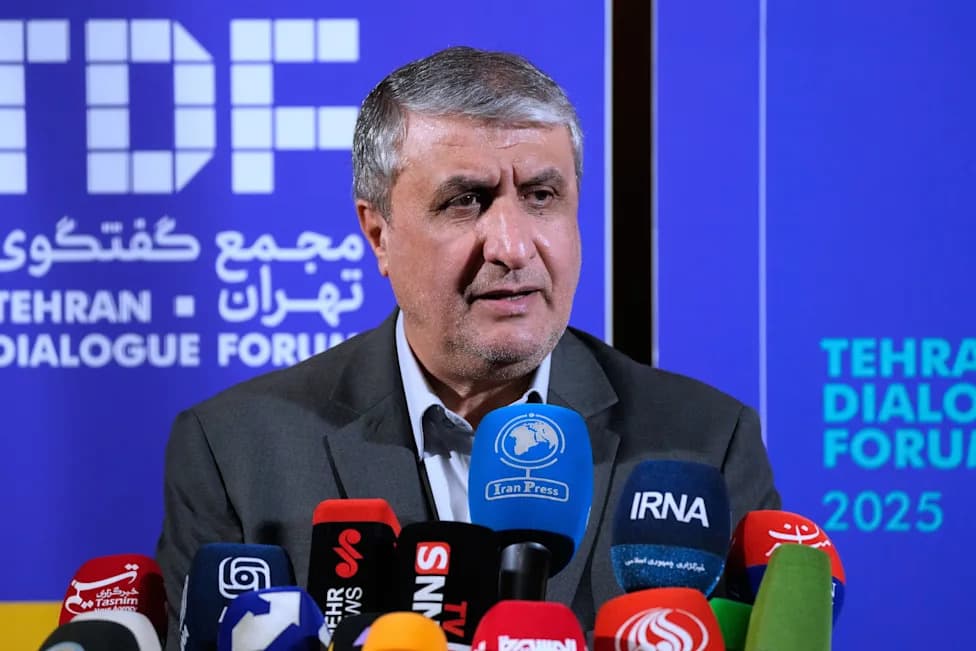
Foreign ministry spokesman Esmail Baghaei said in a letter to the Vienna‑based agency that Iran would not only terminate the Cairo agreement reached this summer to resume inspections, but could also pursue "other actions" in response to the board's decision. Baghaei did not specify what those measures might include, though he said further uranium enrichment remains a possibility.
Baghaei accused the IAEA of echoing "grudges" held by the United States, the United Kingdom, France and Germany, and complained the resolution failed to acknowledge that Tehran halted inspections after strikes on its nuclear facilities in June.
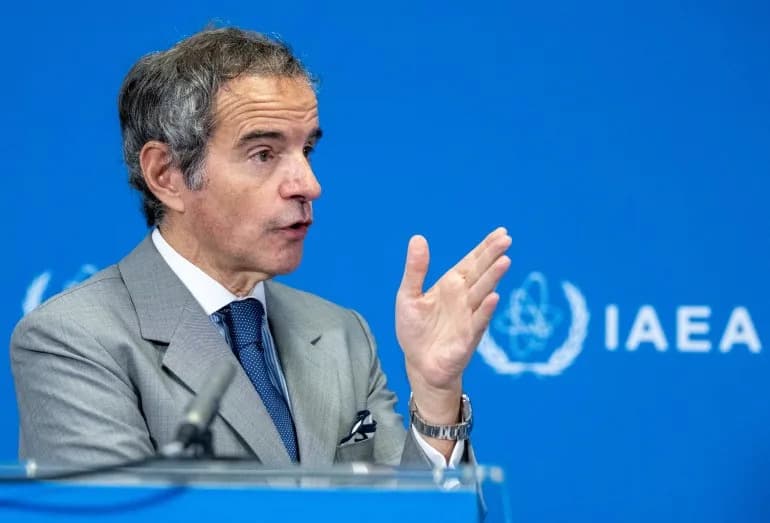
The IAEA's director general, Rafael Mariano Grossi, negotiated an arrangement in early September with Iranian deputy foreign minister Abbas Araghchi in Cairo to allow inspectors to resume monitoring. Iran had suspended cooperation with the IAEA after a 12‑day air conflict in June with Israel; Iranian officials say those strikes, which targeted military and nuclear sites, prompted the halt.
Following the Cairo agreement, the United Nations later reimposed broad sanctions on Iran through the so‑called "snapback" mechanism linked to the 2015 nuclear deal; Tehran condemned that move and said it would stop implementing the Cairo understandings. The new IAEA resolution now raises the prospect of renewed tensions between Tehran and the U.N. nuclear watchdog.
Analysts say the standoff could lead to further diplomatic and technical escalation, including a widening gap in transparency between Iran and the international community if inspections are curtailed again.
Help us improve.