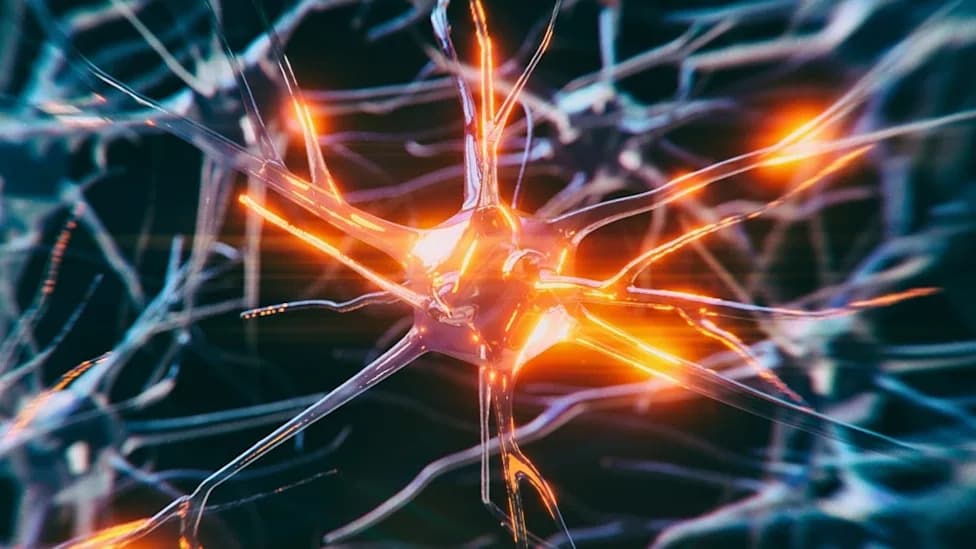
Ischemic stroke causes widespread neuronal loss and is a leading cause of adult disability because the brain has very limited regenerative capacity. Emerging stem cell therapies — especially those using patient-derived iPS cells and genetic enhancements such as BDNF expression — aim to replace lost cells and promote the reconnection of neural circuits. While clinical trials and regulatory frameworks are advancing, challenges in functional integration, safety and ethics remain.
How Stem Cells and Gene Editing Could Rebuild Brains Damaged by Stroke

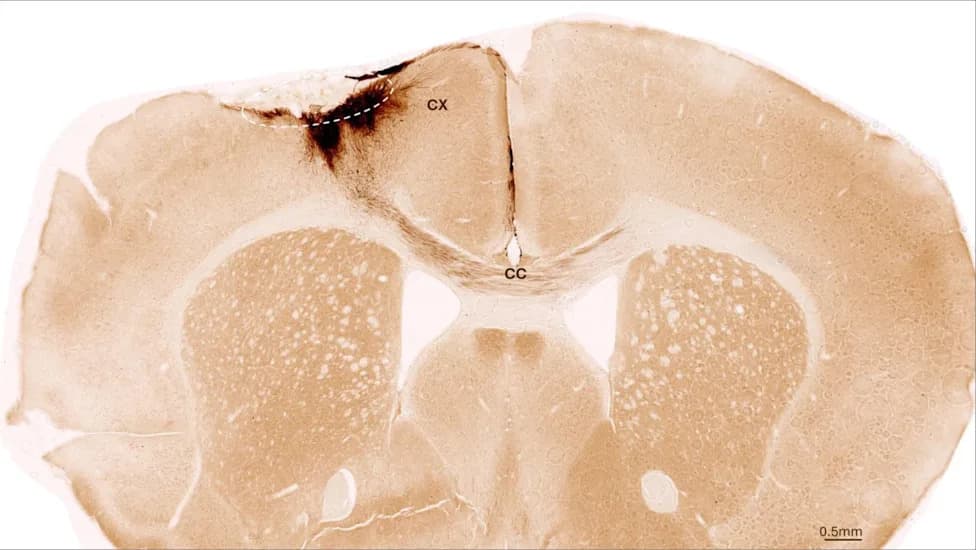
Every year, millions of people have their lives changed in an instant by an ischemic stroke: a blocked blood vessel cuts off oxygen to part of the brain and neurons begin to die. Strokes are a leading cause of adult disability — it is estimated that one in six people will experience a stroke in their lifetime.
The human brain is the most complex organ in the body. Its intricate cellular architecture and neural networks underpin language, memory and abstract thought, but that complexity comes with a cost: unlike skin or liver tissue, brain tissue has a very limited ability to regenerate. Neurons lost to injury are seldom replaced, which is why stroke damage is often permanent.
Why current treatments fall short
Advances in emergency care have improved survival after stroke, and rehabilitation can restore some function. However, there is still no therapy that repairs the neuronal damage itself. Many survivors are left with lasting motor and cognitive deficits and face an increased risk of depression, dementia and other neurodegenerative disorders.
Cell therapies and regenerative medicine
Cell-based therapies aim to replace or repair damaged tissue by delivering cells capable of surviving, maturing and performing lost functions. The concept proved promising decades ago when teams at Lund University successfully transplanted neural stem cells into patients with Parkinson’s disease, leading to long-term motor improvements in some people. Those early results showed that the human brain can, under certain conditions, be helped by living cells.
Progress in regenerative neurology has been deliberate: these therapies must meet strict regulatory standards and require substantial investment. In Europe such products are classed as advanced therapy medicinal products (ATMPs), and multiple clinical trials around the world are now building on earlier work to test safety and effectiveness for a range of neurological conditions.
The specific challenge of stroke
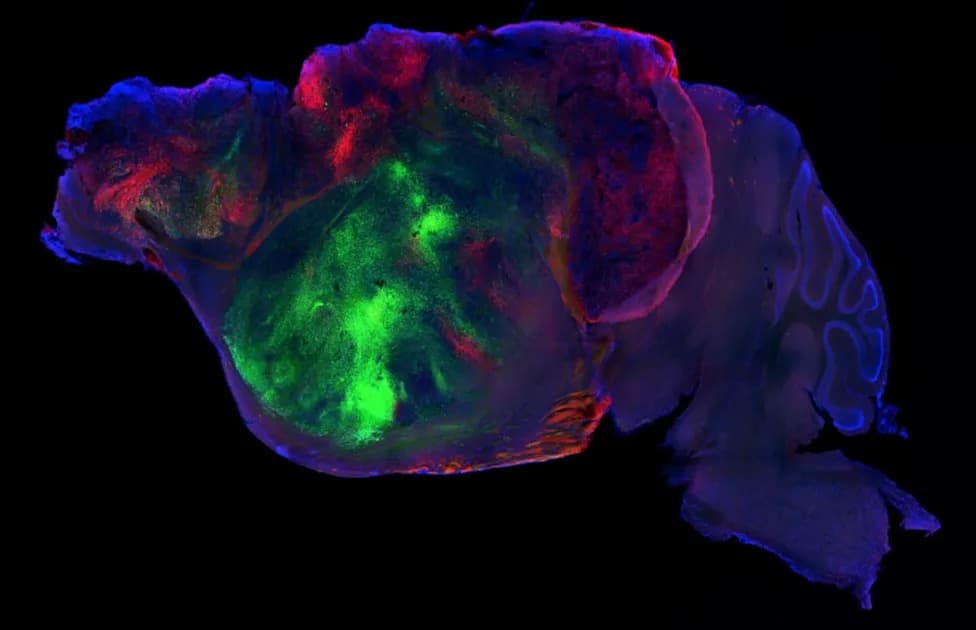
Strokes pose unique hurdles. Ischemic injury is often extensive and heterogeneous — it can affect multiple neuronal subtypes, support cells (glia) and blood vessels. For a transplant to be truly restorative, new cells must do more than survive: they must integrate functionally. That means growing axons, forming appropriate synapses and becoming part of existing brain circuits so information can flow correctly.
Think of it as not only rebuilding a collapsed bridge but also restoring the traffic patterns that used it: structural replacement alone is not enough unless connections are reestablished in the right way.
Genetic engineering and BDNF-enhanced cells
Genetic engineering can improve the performance of transplanted cells — making them more resilient, encouraging growth, or enhancing their ability to integrate. In our work, we introduced a gene encoding brain-derived neurotrophic factor (BDNF) into transplanted cells. BDNF supports neuronal survival, promotes axon extension and encourages synapse formation, all of which can help new neurons integrate with the host brain and restore communication across damaged circuits.
Such genetic manipulation raises ethical and safety questions: what limits should apply, how should long-term effects be monitored, and what source of cells is appropriate? Early neural transplants sometimes used fetal tissue, which provoked ethical concerns. The advent of induced pluripotent stem (iPS) cell technology — which reprograms a patient’s own adult cells into stem-like cells — reduces many ethical issues and the risk of immune rejection. iPS cells are now commonly derived from skin biopsies for experimental and clinical work.
Outlook and remaining challenges
Combining cell biology, genetic engineering and regenerative medicine is turning the once-unthinkable idea of repairing stroke-damaged brains into a realistic research pursuit. Still, major obstacles remain: ensuring long-term safety, achieving accurate circuit-level integration, scaling manufacturing to clinical standards, and navigating regulatory and ethical frameworks. Ongoing clinical trials, improved cell engineering methods and careful regulation will be essential steps forward.
Authors and disclosures: Daniel Tornero Prieto; Santiago Ramos Bartolomé; Alba Ortega Gascó. Daniel Tornero Prieto’s research receives partial public funding from the Spanish Ministry of Science, Innovation and Universities and the European Union. He is a member of the European ALBA network, which promotes diversity and equality in brain research. Santiago Ramos Bartolomé is a member of the University Association of Synthetic Biology of Catalonia. Alba Ortega Gascó reports no salary, consultancy, shareholdings or funding from any company or organisation that could benefit from this article and has declared no relevant conflicts beyond her academic role.
Help us improve.