Children can develop autoimmune diseases such as lupus, myositis and certain types of arthritis, though these conditions are less common than in adults. Childhood-onset disease often reflects stronger genetic influences, can present subtly, and poses treatment challenges because therapies suppress a developing immune system. New research, including pediatric CAR-T trials and studies to prevent antibody-related fetal heart damage, offers promising avenues. Supervised programs such as medically supported sleepaway camps also help restore a sense of normal childhood for affected families.
Kids Get Lupus — How Camp, Clinical Trials and New Treatments Are Giving Families Hope

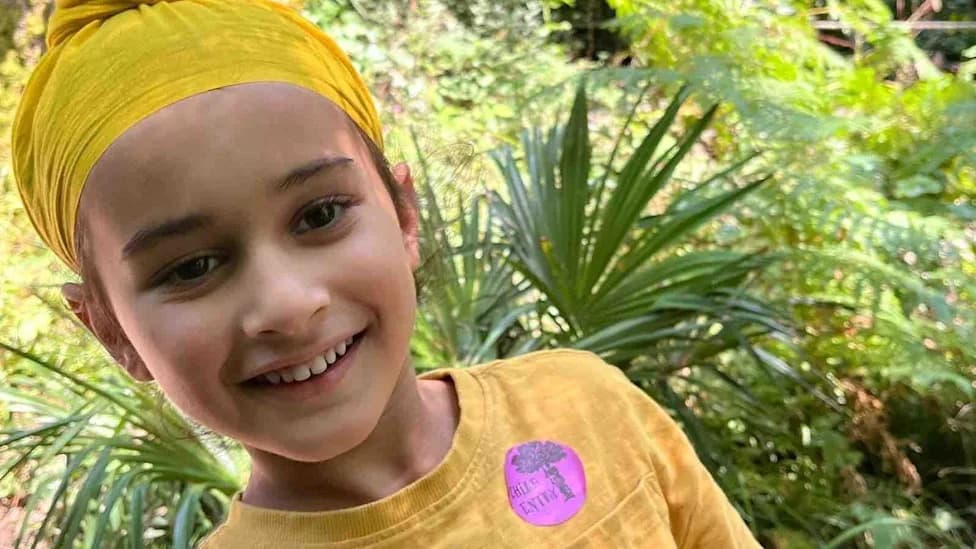
When 12-year-old Dylan Aristy Mota was diagnosed with lupus, the idea of a sleepaway camp felt out of reach. Instead, Dylan found himself laughing on a high-ropes course at an upstate New York camp, lifted into the air by fellow campers and reassured that physicians would be on site to manage his care. “It’s really fun,” he said, grateful he could take part in a childhood rite while feeling safe about his health.
Special challenges for children
Autoimmune diseases such as lupus, myositis and some forms of arthritis occur when the immune system attacks the body. Although these conditions are less common in children than adults (with the exception of type 1 diabetes), they can appear in childhood and sometimes behave differently than in adults.
"People often ask, 'Can kids have arthritis? Can kids have lupus?'" said Dr. Natalia Vasquez-Canizares, a pediatric rheumatologist at Children’s Hospital at Montefiore. Montefiore partnered with Frost Valley YMCA to allow medically complex children to attend a traditional sleepaway camp while maintaining strict medication schedules and supervision.
The earlier an autoimmune disease begins, especially before puberty, the more likely it is to present with severe symptoms. Genetic factors tend to play a larger role in childhood-onset disease, said Dr. Laura Lewandowski of the National Institutes of Health, who helps lead international research into the genetics of juvenile lupus. Symptoms in young children can be subtle: instead of saying a joint hurts, a child may limp or even revert to crawling.
Treating children raises distinct concerns. Medications that control autoimmune inflammation do so by suppressing a developing immune system, which can increase infection risk and potentially affect bone growth and long-term skeletal health. Families and clinicians must balance controlling disease activity with protecting a child’s growth and immune development.
Research offering hope
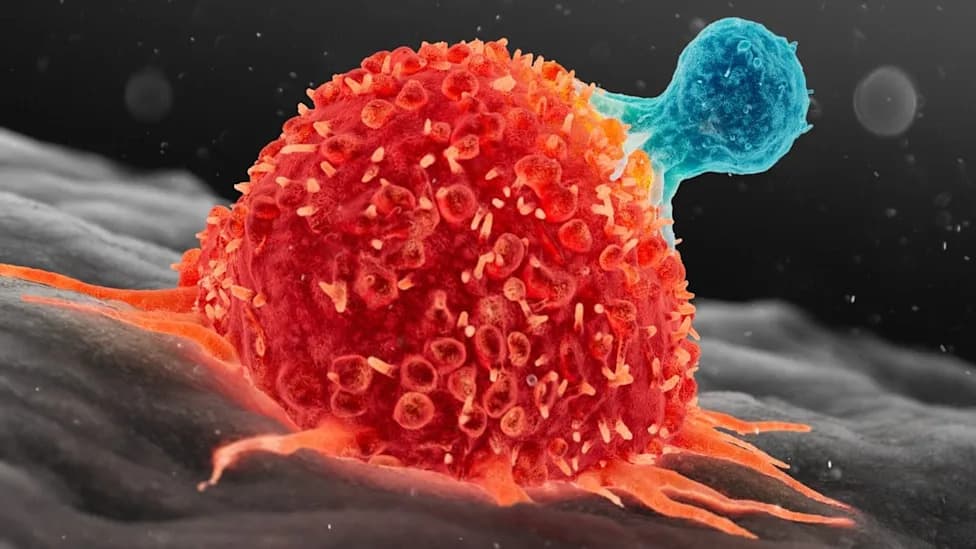
Researchers are pursuing new approaches that could change the course of childhood autoimmune disease. Seattle Children’s Hospital recently launched the first pediatric clinical trial of CAR-T therapy for lupus. In this approach, doctors reprogram a patient’s own T cells to target and eliminate B cells that drive autoimmune activity. Adult trials in lupus and other autoimmune diseases have produced encouraging early results, including prolonged, drug-free remissions for some participants.
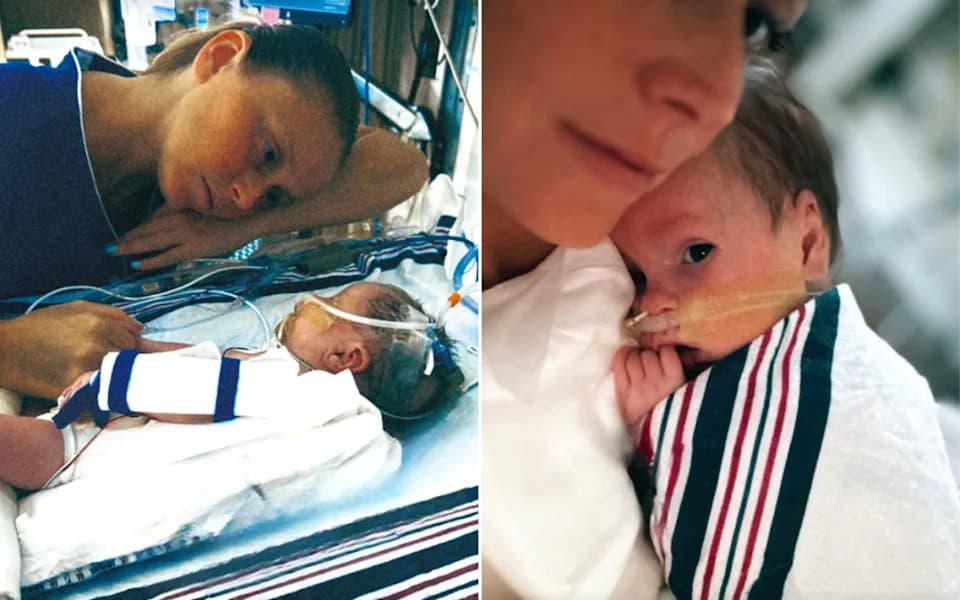
Scientists are also addressing rare but serious effects of maternal autoimmune disease on fetuses. Certain antibodies associated with lupus and Sjögren’s syndrome can cross the placenta during a critical window of fetal cardiac development and cause congenital heart block, which may require a lifelong pacemaker if the baby survives. Dr. Jill Buyon at NYU Langone Health and colleagues, including Dr. Philip Carlucci, are testing whether a medication used for another autoimmune condition can better protect high-risk fetuses. Case reports — such as a mother who received an experimental regimen and later delivered a healthy infant after prior pregnancies affected by antibody-related heart damage — are promising but not definitive. NIH-funded clinical trials are planned to evaluate safety and effectiveness in more pregnancies.
Helping children be children
Back at camp, the goal is simple but powerful: give children a measure of normalcy. Eleven-year-old Ethan Blanchfield-Killeen, who has juvenile idiopathic arthritis, described how camp lets him forget his condition for a while. "I do kind of get to forget about it," he said. One day a doctor checked his hands; the next he was sprinting across the lawn, covered in paint from a fierce game of paint tag.
For clinicians like Dr. Vasquez-Canizares, seeing patients outside the clinic underscores the importance of treating the whole child, not just the disease. "Just seeing them in a different perspective almost brings tears to my eyes," she said.
While challenges remain — from diagnosing subtle symptoms in young children to safely tailoring treatments that do not impair development — new clinical trials and supervised programs that restore normal childhood experiences are providing families with both practical support and hope for better long-term outcomes.
Help us improve.