Beyza and Diyar of Turkish Team Ceres developed Plantzma, a $190 plasma device that improves seed germination and converts irrigation water into a nitrogen-rich, eco-friendly fertilizer. The unit uses direct plasma treatment to create tiny fissures in seed coats and indirect treatment to enrich irrigation water. The team says Plantzma can cut fertilizer use by about 40% and help prevent roughly 60% of crop losses. Designed for low-resource farming communities, the project is now seeking funding to scale up.
Teen Inventors Create $190 'Plantzma' — A Low-Cost Plasma Device That Boosts Crops and Cuts Fertilizer Use

Teenagers develop low-cost plasma device to help struggling farms
Beyza and Diyar, members of Turkish Team Ceres and runners-up in The Earth Prize, developed Plantzma — an inexpensive device that uses plasma to improve seed germination and convert irrigation water into an eco-friendly, nitrogen-rich fertilizer. The idea grew from Beyza's reading about exoplanets and NASA research, where plasma is plentiful and has diverse applications.
What is plasma?
Plasma is a distinct state of matter, alongside solids, liquids and gases. It forms when a gas is so energized that atoms lose electrons. While plasma is relatively rare on Earth, it is abundant in space and can be harnessed for practical uses.
How Plantzma works
The Plantzma unit supports crops through two complementary treatments:
Direct treatment: Seeds are exposed to plasma inside a container, which creates microscopic fissures in seed coats. This makes germination easier and increases the number of plants that successfully sprout. According to the team, treated seeds show improved resistance to disease, drought and other environmental stressors.
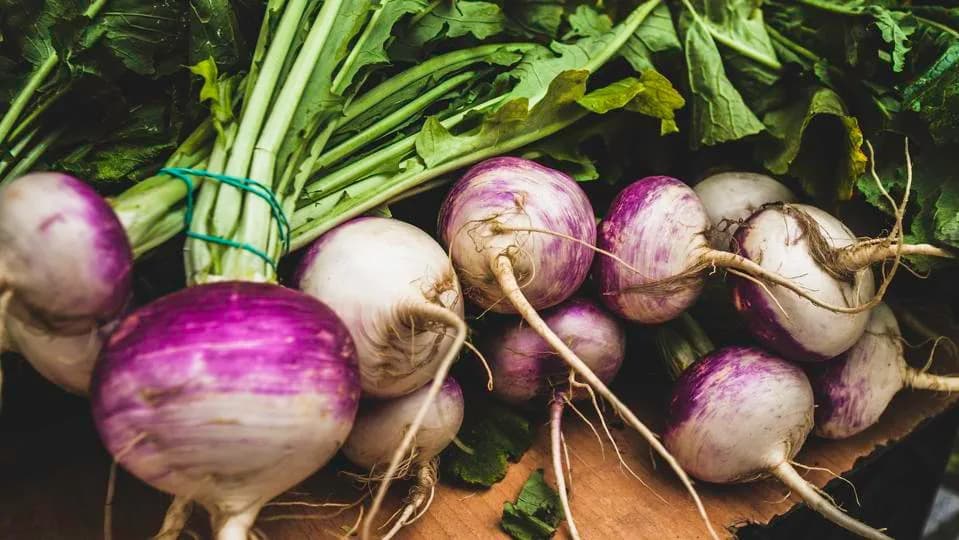
Indirect treatment: Irrigation water is exposed to plasma, producing a nitrogen-rich, eco-friendly "plasma fertilizer" that supplies essential nutrients and stimulates growth in fruits and vegetables.
Impact and accessibility
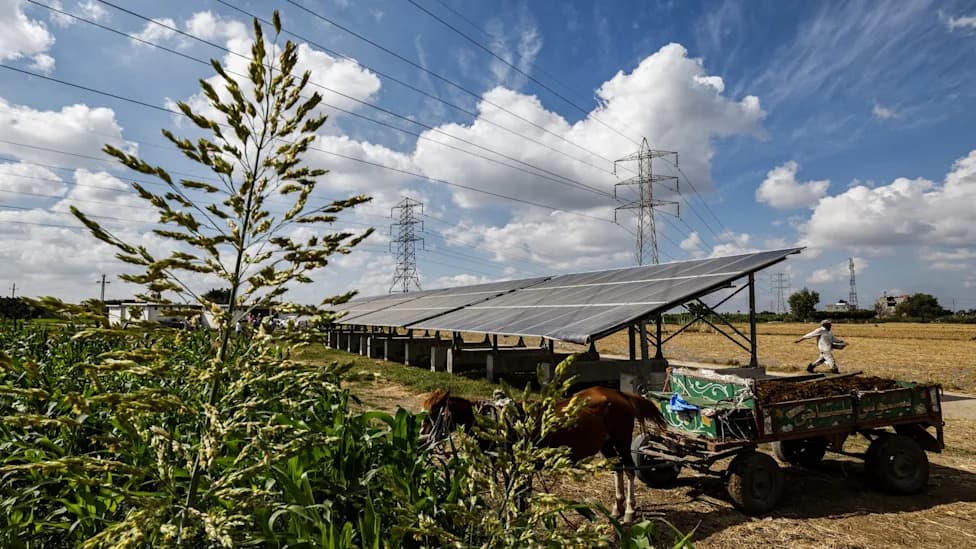
The team designed Plantzma for low-resource and rural settings. A single unit costs about $190 — relatively affordable for agricultural equipment — and the developers report it can reduce fertilizer use by roughly 40% while helping prevent about 60% of crop loss in affected areas. The students say the device can be implemented in agricultural regions worldwide, including communities without access to modern technologies.
Local motivation and next steps
Beyza says the project grew from observing local agricultural challenges: lower precipitation and repeated crop failures among family and neighbors. The team is now seeking funding to scale production and field-test the technology more widely.
What’s next for the inventors: Diyar will begin an electrical engineering degree at NYU Abu Dhabi, while Beyza plans to study environmental engineering and political science.
Help us improve.