A new study in Nature examined growth rings, bone histology, and growth models from small tyrannosaur specimens found in Montana’s Hell Creek Formation and concluded they were skeletally mature, not juvenile T. rex. The researchers named the genus Nanotyrannus and identified two distinct small tyrannosaur species. Smaller, faster, and more lightly built than T. rex, Nanotyrannus adds to evidence that dinosaur communities remained diverse up to the end of the Cretaceous.
Small 'T. rex' No More: Study Names Nanotyrannus and Settles Long-Running Debate

"Dueling Dinosaurs" Fossils Help Settle a Fierce Scientific Argument
In 2006, paleontologists unearthed a striking fossil tableau in the Hell Creek Formation of eastern Montana: an apparent small Tyrannosaurus rex locked in combat with a Triceratops. These famous remains, known as the “dueling dinosaurs,” eventually entered the collection of the North Carolina Museum of Natural Sciences in Raleigh and have now helped resolve a decades-old controversy in dinosaur research.
A new study by researchers at North Carolina State University and Ohio University, published in Nature, re-examined the small tyrannosaurian specimens long argued to be juvenile T. rex. Using histology — the study of growth rings preserved in fossil bone — together with computer modeling of growth trajectories and comparisons with other specimens, the team found that these animals were not rapidly growing juveniles but were skeletally mature individuals. The growth patterns also diverged from those known for Tyrannosaurus rex.
Key finding: The evidence supports recognition of a distinct genus, Nanotyrannus, and the researchers report that two previously unrecognized small tyrannosaur species are represented among these fossils.
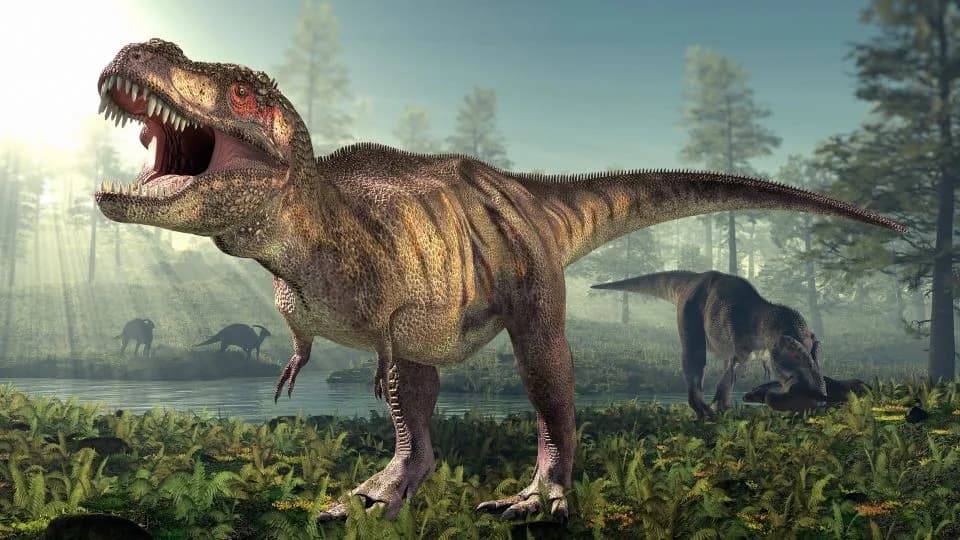
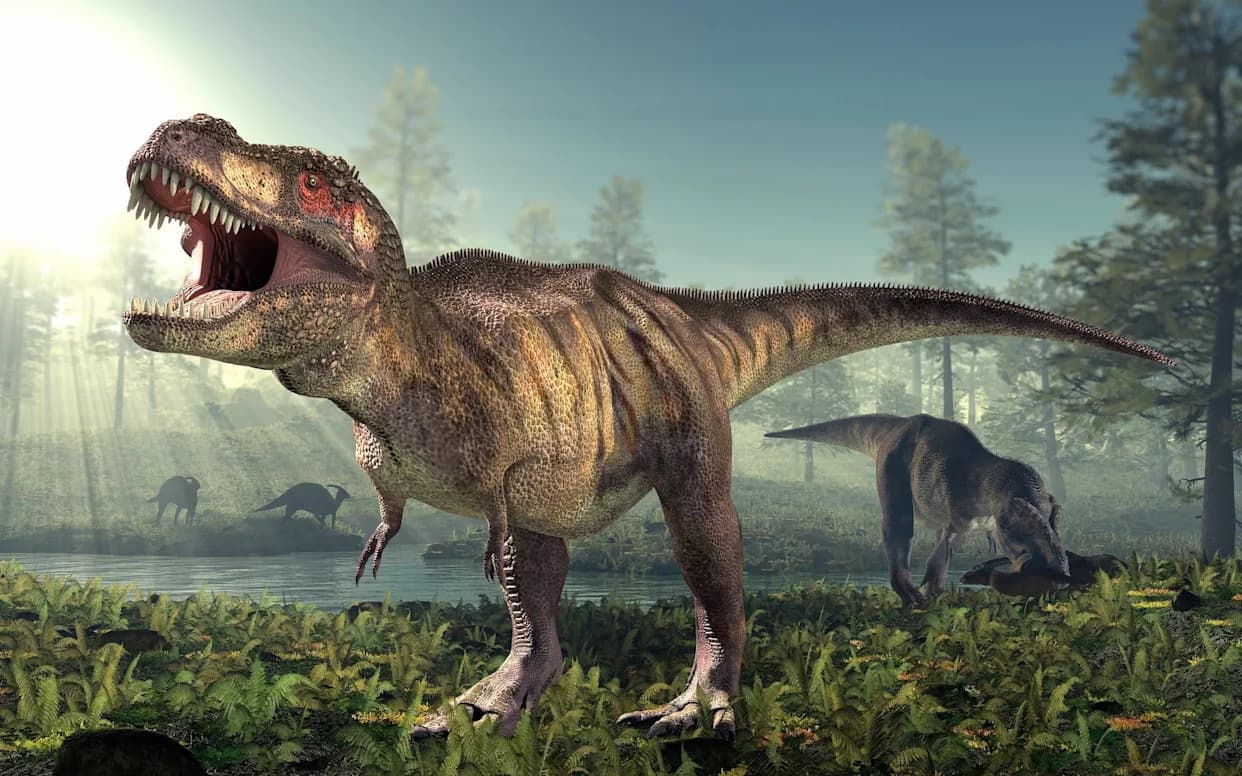
Compared with the iconic T. rex, Nanotyrannus was much smaller — roughly pickup-truck size rather than school-bus length — and likely more lightly built. Proportionally longer legs and relatively stronger forelimbs suggest it was quicker and more agile than its larger cousin, emphasizing ecological diversity among late Cretaceous predators.
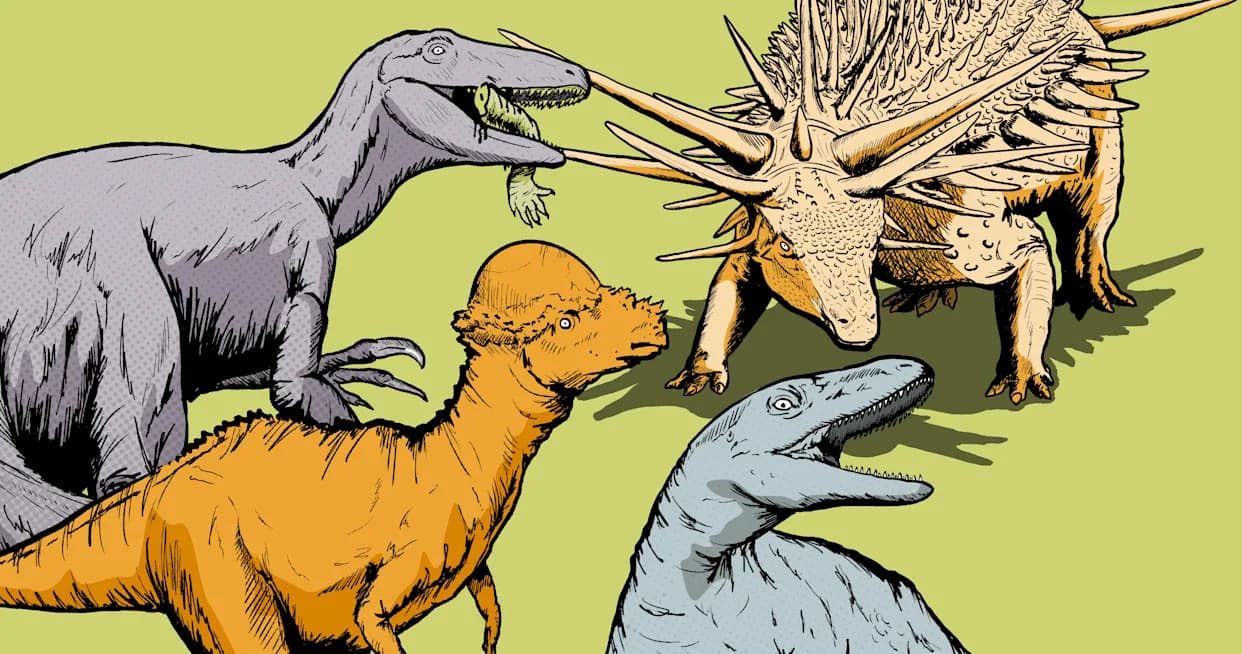
Nanotyrannus now joins a roster of smaller North American dinosaurs, including the horned herbivore Aquilops americanus, the birdlike Fruitadens haagarorum, and the chicken-sized carnivore Hesperonychus elizabethae. The authors of the study describe their findings as evidence that dinosaur communities retained notable diversity up to the end of the Cretaceous.
Beyond resolving a long-standing taxonomic dispute — which the researchers characterize as at times “acrimonious” — the work highlights how modern analytical tools (bone histology and growth modeling) can clarify the life histories of fossil animals. The “dueling dinosaurs” remain an important display and research resource at the North Carolina museum, now offering fresh insights into the variety of tyrannosaur relatives that once roamed North America.
Note: Paleontology is an active field and taxonomic conclusions can be revisited as new evidence emerges. This study presents strong support for recognizing Nanotyrannus as distinct, but scientific debate may continue as additional specimens and analyses appear.
Help us improve.