Indigenous and environmental groups warn that far-right gains in Brazil's Congress — where the Liberal Party is now the largest party — could make it easier to legalize mining on Indigenous lands and weaken environmental safeguards. The next Congress, sworn in Feb. 1, 2027, is expected to consider mining legislation after a Supreme Court directive. Protecting Indigenous territories has proven critical to slowing Amazon deforestation, but rising gold prices and recent political shifts are heightening concerns.
Far-Right Surge in Brazil's Congress Could Open Indigenous Lands to Mining, Threatening the Amazon
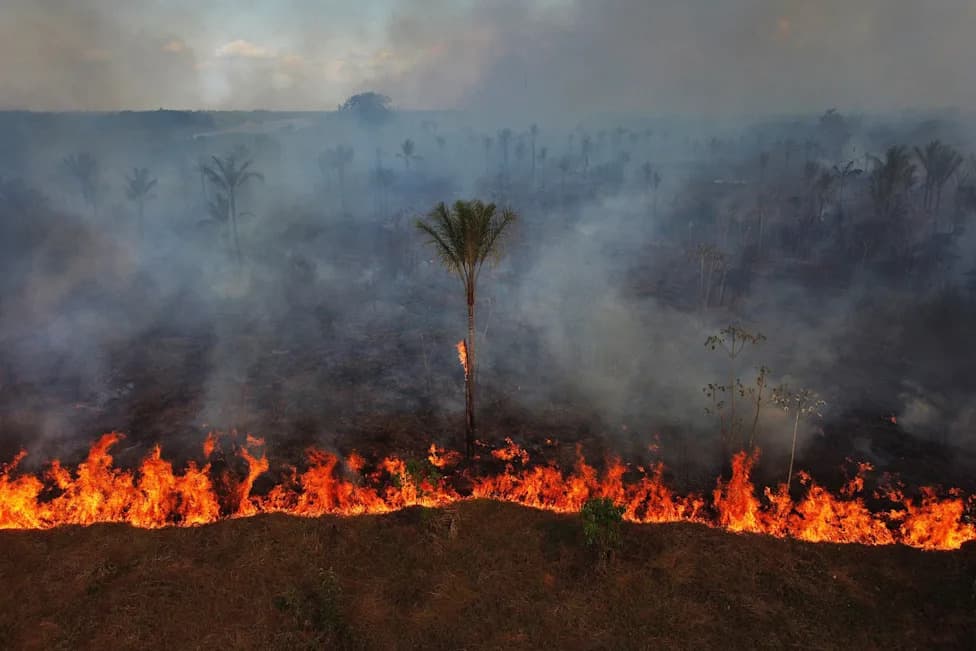
Wildfires spread near the municipality of Iranduba, Amazonas state, Brazil, Friday, Oct. 2, 2026. (AP Photo/Edmar Barros)(AP Photo/Edmar Barros)
Indigenous and environmental organizations in Brazil warned Monday that weekend election results — which left the Liberal Party as the largest force in both congressional chambers — could put Indigenous territories and the Amazon at greater risk by making it easier to approve mining and weaken environmental protections.
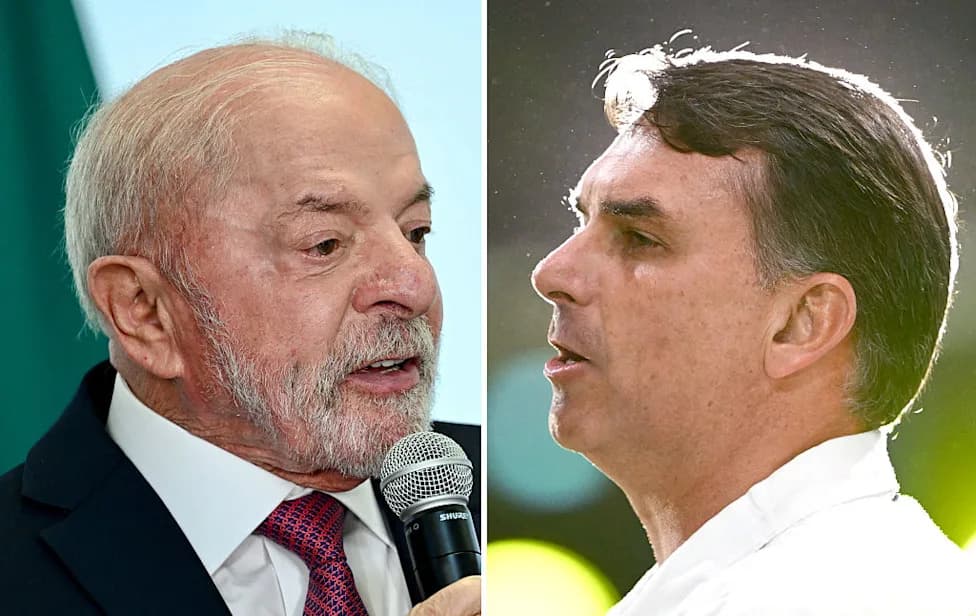
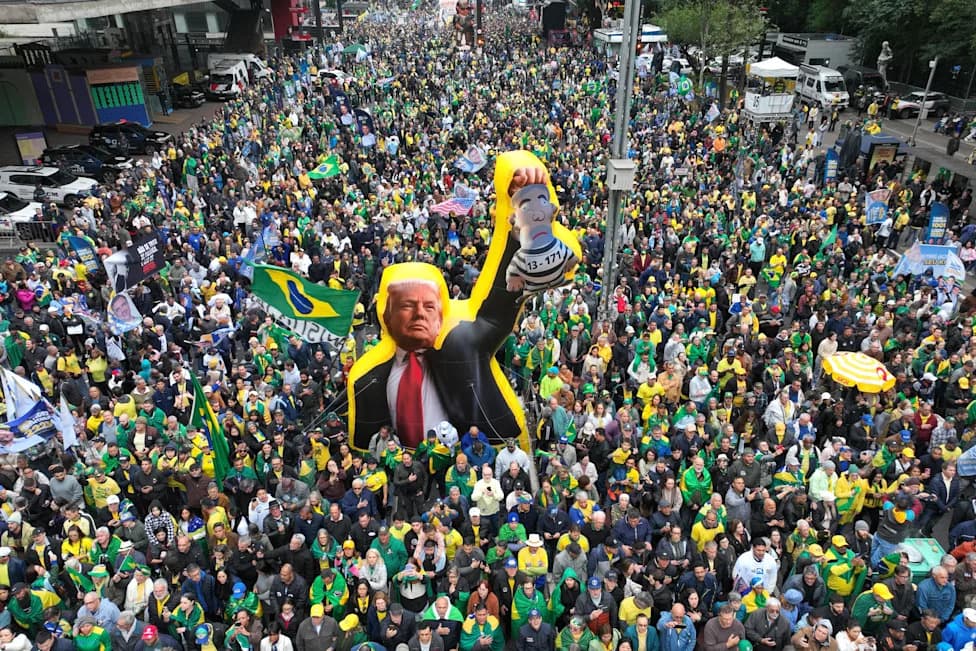
Brazil, the world's fourth-largest democracy and home to roughly 60% of the Amazon rainforest, voted Sunday for president, Congress and governors. The presidential race remains undecided: Sen. Flávio Bolsonaro, son of former President Jair Bolsonaro, will face President Luiz Inácio Lula da Silva in an Oct. 25 runoff.
Congressional Shift
Bolsonaro's Liberal Party won about one-third of Senate seats and nearly one-quarter of the seats in the Chamber of Deputies, emerging as the largest single party in both houses. Advocacy groups, including Amazon Watch, say the new balance of power strengthens lawmakers who favor expanding mining on Indigenous lands and scaling back territorial and environmental safeguards.
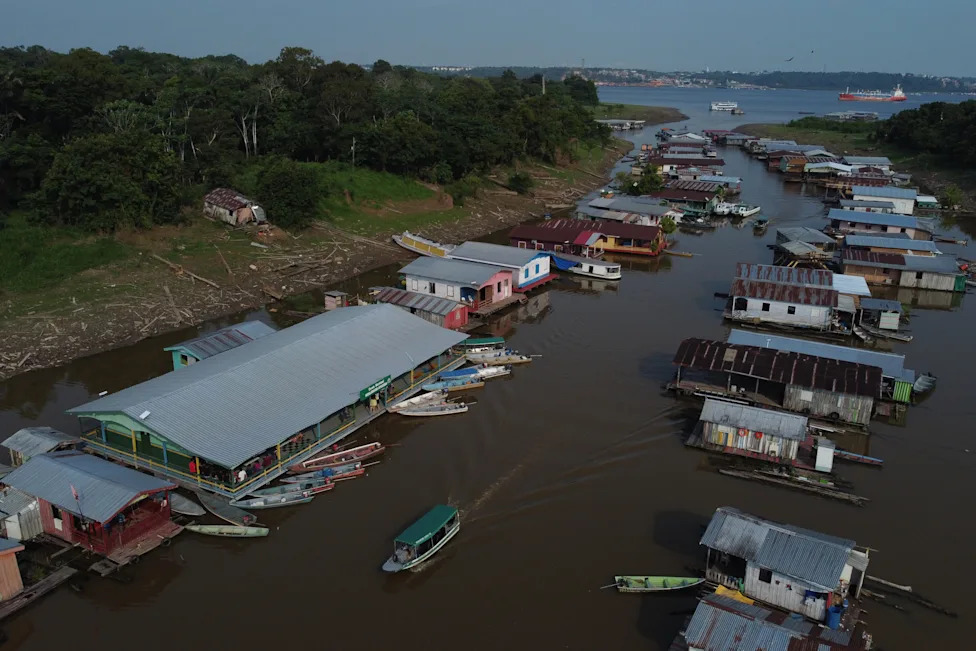
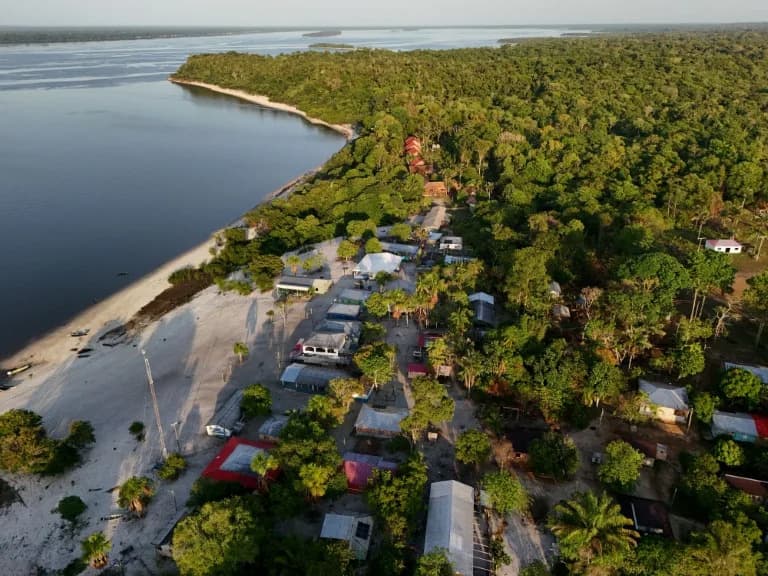
Boats are moored to a school serving as a polling station during general elections in Iranduba, Brazil, Sunday, Oct. 4, 2026. (AP Photo/Edmar Barros)(AP Photo/Edmar Barros)
Who Might Push for Mining
Several incoming lawmakers from Amazon states have publicly supported mining in Indigenous territories or called for reduced environmental enforcement. Fernando Máximo, a Liberal Party senator-elect from Rondônia, has dismissed scientific findings of mercury contamination from illegal gold mining as "falsehoods." Plínio Valério, reelected in Amazonas for the Brazilian Social Democracy Party, has pushed to legalize mining and criticized enforcement operations.
"Brazil emerges from these elections with a Congress that is even more aggressive toward Indigenous rights," said the Articulation of Indigenous Peoples of Brazil (Apib), the country's leading Indigenous organization.
Legal Context and Upcoming Decisions
Under Brazilian law, mineral exploration or mining on Indigenous territories requires congressional approval and consultation with affected communities. The next Congress, to be sworn in on Feb. 1, 2027, is expected to consider legislation on mining in Indigenous areas after a Supreme Court justice, Flávio Dino, ordered lawmakers to pass regulating rules.
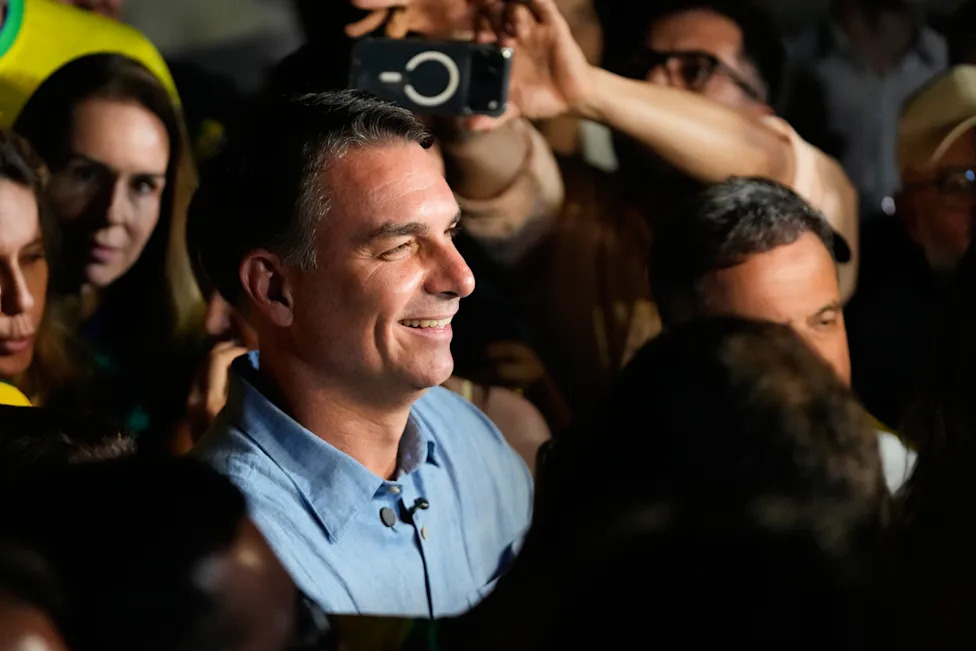
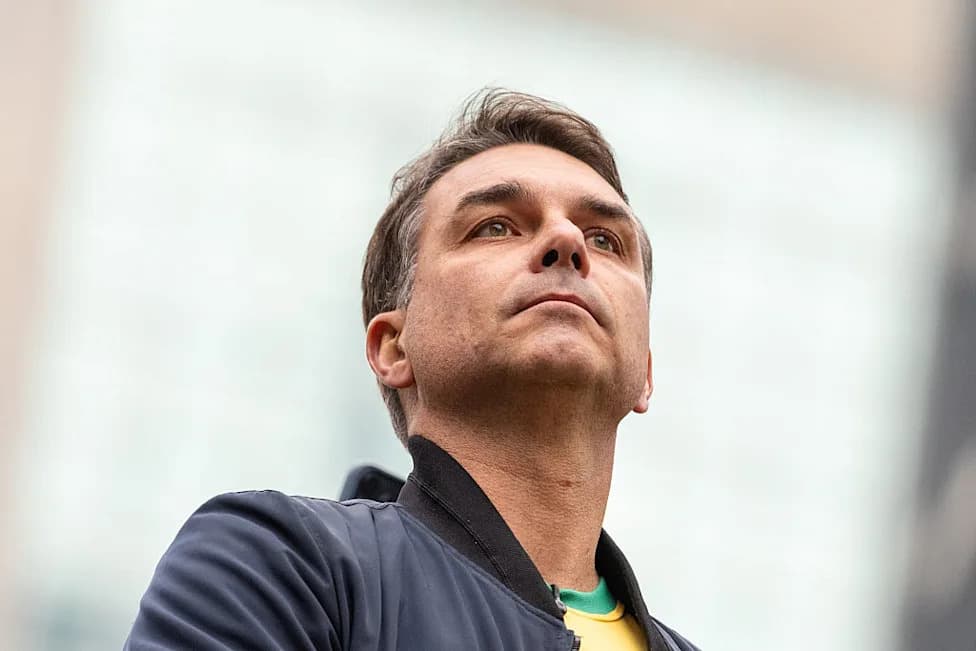
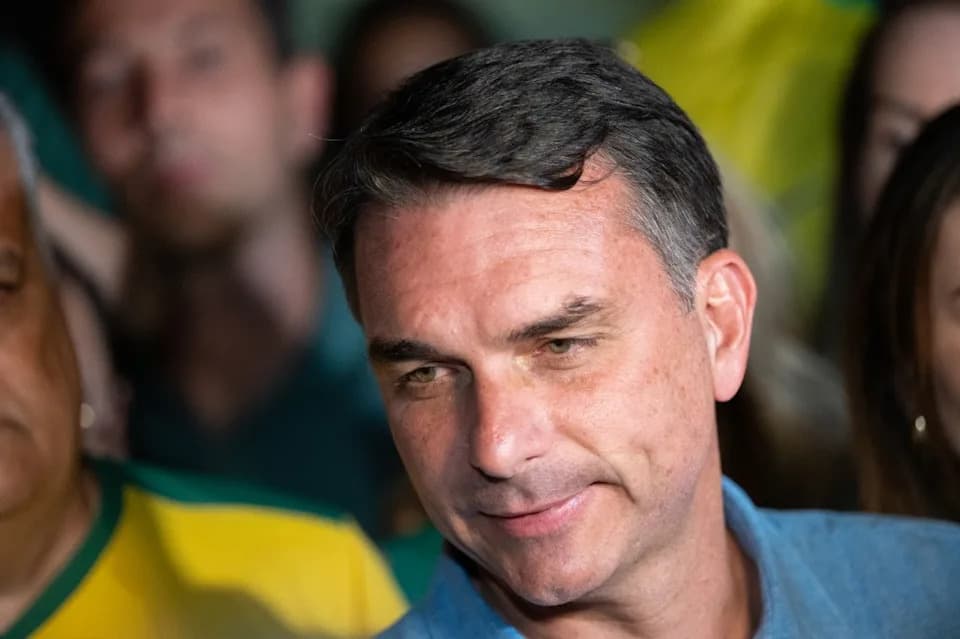
Opposition presidential candidate Sen. Flavio Bolsonaro speaks after advancing to a runoff election following the first round of the presidential election in Brasilia, Brazil, Sunday, Oct. 4, 2026. (AP Photo/Eraldo Peres)(AP Photo/Eraldo Peres)
Experts warn the new congressional composition increases the risk that any new rules will insufficiently protect Indigenous rights. Márcio Santilli, a founding member of the Socioenvironmental Institute and former head of Brazil's Indigenous affairs agency, said lawmakers are likely to press the debate forward regardless of the presidential outcome.
Environmental Stakes
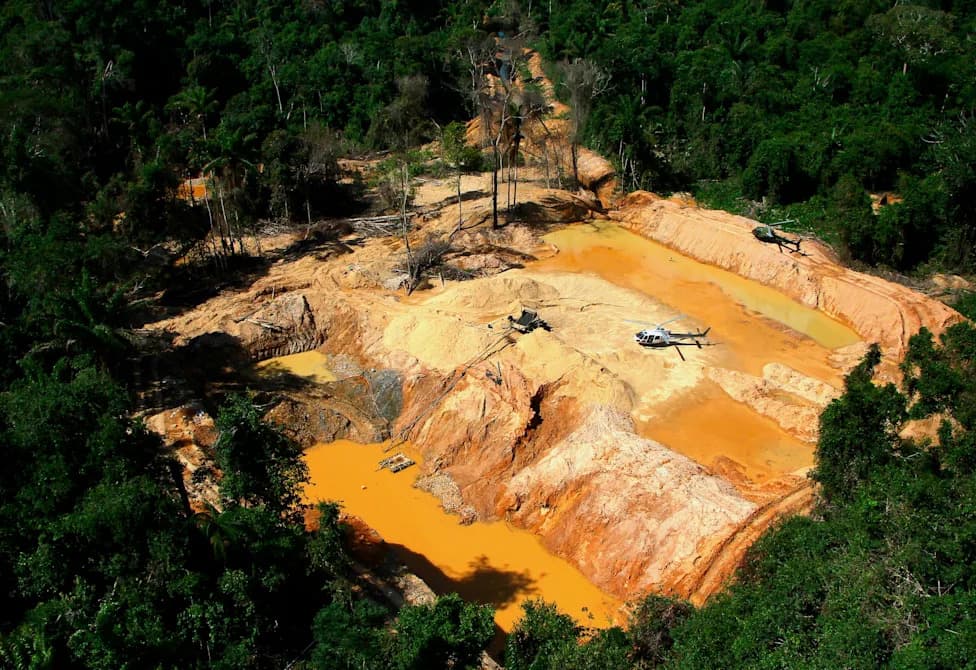
Protecting Indigenous territories is widely seen as one of the most effective defenses against Amazon deforestation. A 2022 MapBiomas analysis found Indigenous territories lost just 1% of native vegetation over three decades, compared with 20% loss on private land nationwide. Meanwhile, rising global gold prices have fueled a mining rush: the Amazon Environmental Research Institute found gold mining in these Indigenous lands expanded nearly sevenfold between 2016 and 2024.
Illegal gold mining has also caused spikes in deforestation and mercury contamination of rivers and riverine communities, posing health and ecological threats.
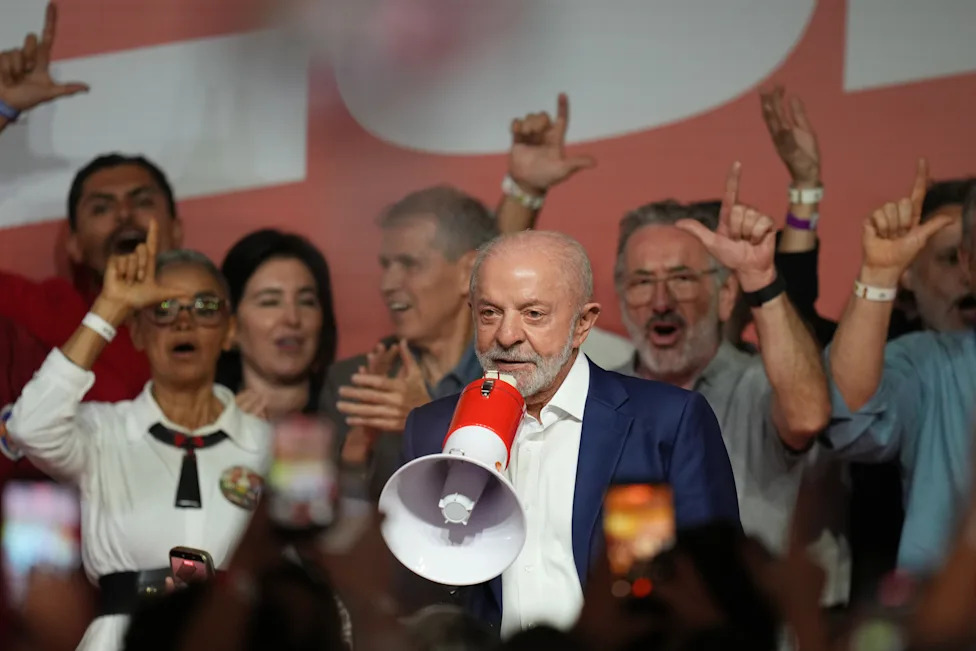
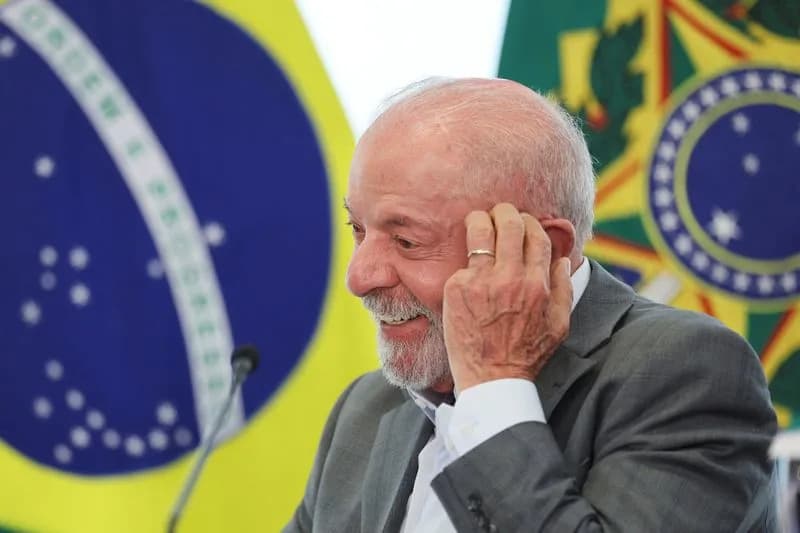
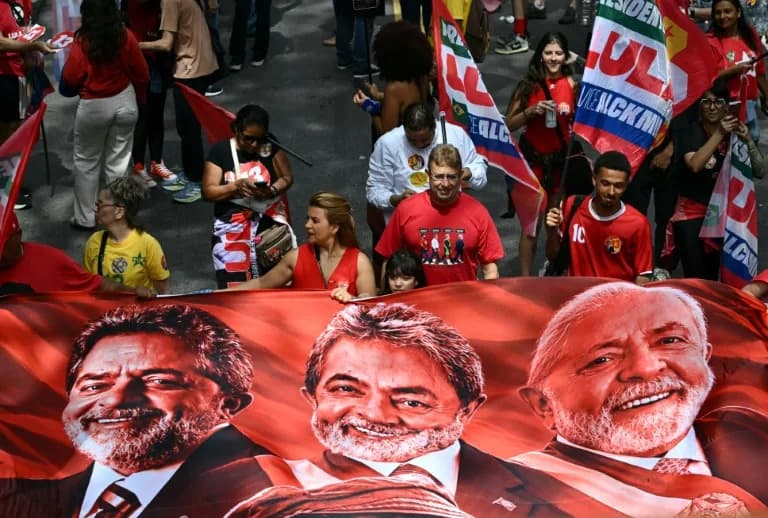
President Luiz Inacio Lula da Silva, who is running for reelection, speaks to supporters after advancing to a presidential runoff following the first round in Sao Paulo, Brazil, Sunday, Oct. 4, 2026. (AP Photo/Andre Penner)(AP Photo/Andre Penner)
Political Responses
During his campaign, Sen. Flávio Bolsonaro said he would open Indigenous lands to economic activity, including mining, while promising environmental safeguards but without clarifying deforestation limits. The Liberal Party did not respond to requests for comment.
Since 2023, the Lula administration has reversed a surge in Amazon deforestation seen under Jair Bolsonaro, stepped up efforts against illegal gold mining, created a Ministry of Indigenous Peoples and rebuilt the Indigenous affairs agency. Indigenous leaders say the government has not fully delivered on certain promises, such as demarcating new Indigenous lands, but many groups still view Lula as the preferable option over a more pro-development Congress.
What Comes Next
The incoming Congress will almost certainly face pressure to shape mining rules that could significantly affect Indigenous communities and the future of the Amazon. Indigenous organizations and environmental groups say they will continue to resist changes that would roll back protections and accentuate deforestation and contamination risks.
Help us improve.