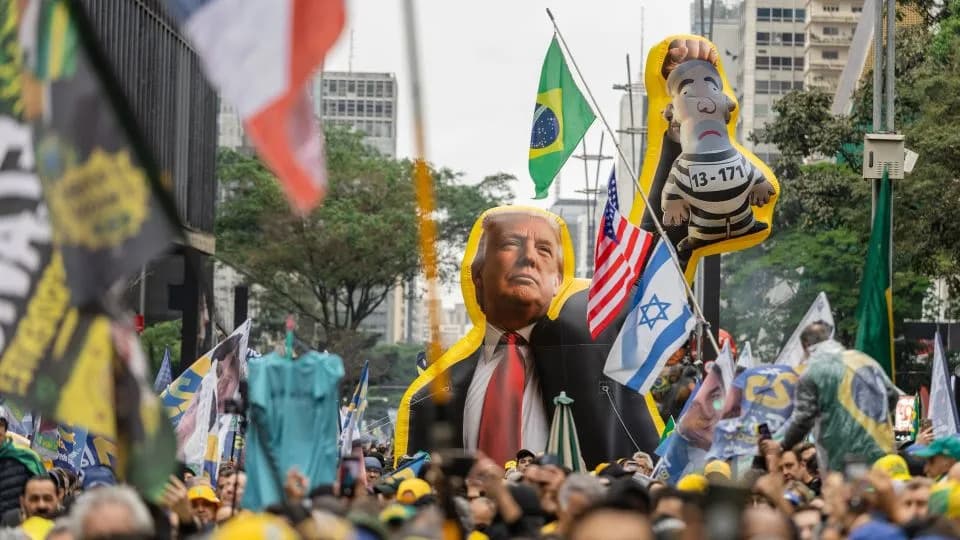
Flávio Bolsonaro led Brazil’s first-round vote on October 4 with about 47 percent, forcing a runoff against Luiz Inácio Lula da Silva on October 25, 2026. His father, Jair Bolsonaro, is serving a 27-year sentence for plotting a coup; Flávio has pledged a pardon if elected. Analysts say a Flávio victory would show how populist movements can survive legal scandals and poor polls — a pattern that could offer a post-2028 blueprint for Donald Trump.
Flávio Bolsonaro’s Comeback Could Provide a ‘Playbook’ for Trump After 2028
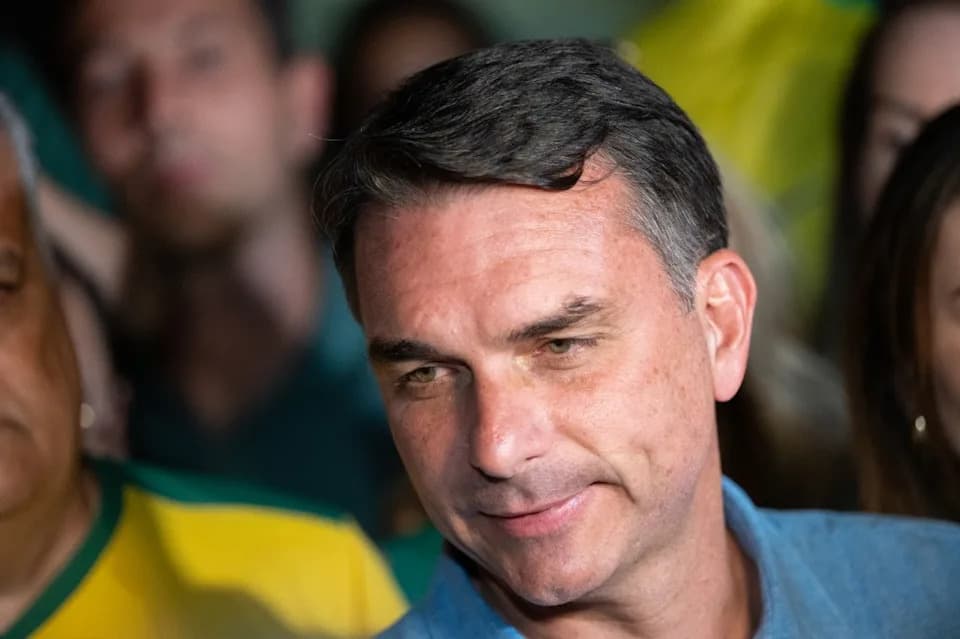
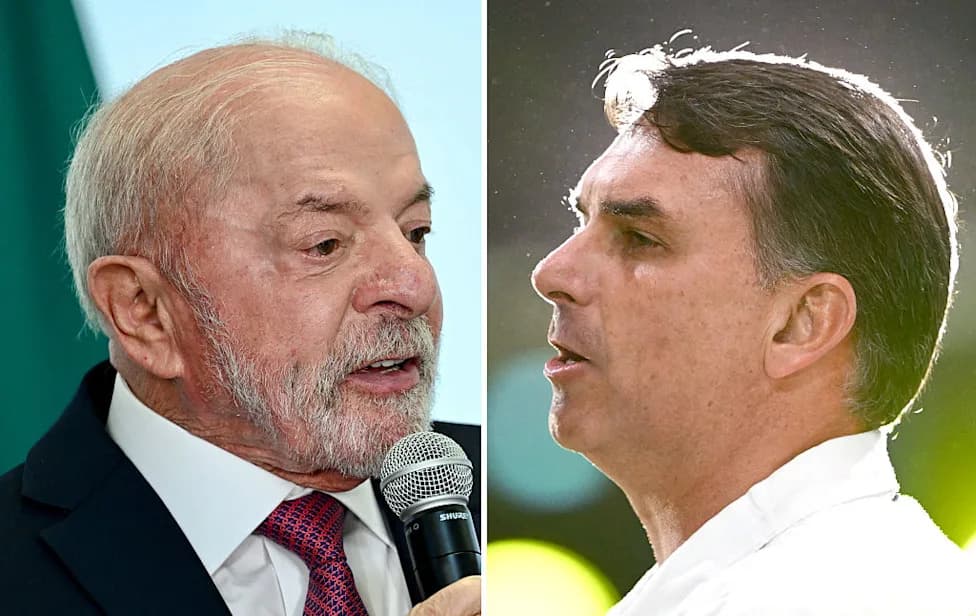
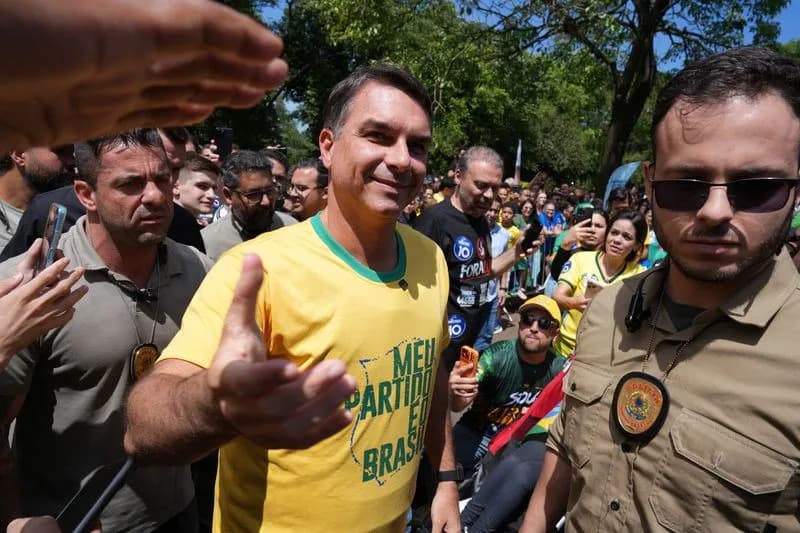
Presidential candidate Flavio Bolsonaro for the Partido Liberal on October 4, 2026 in Brasilia, Brazil.
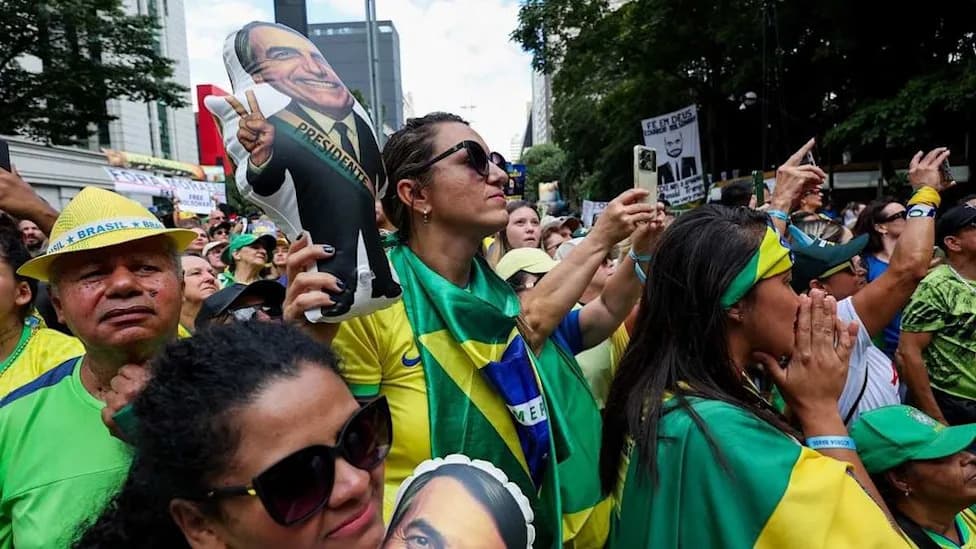
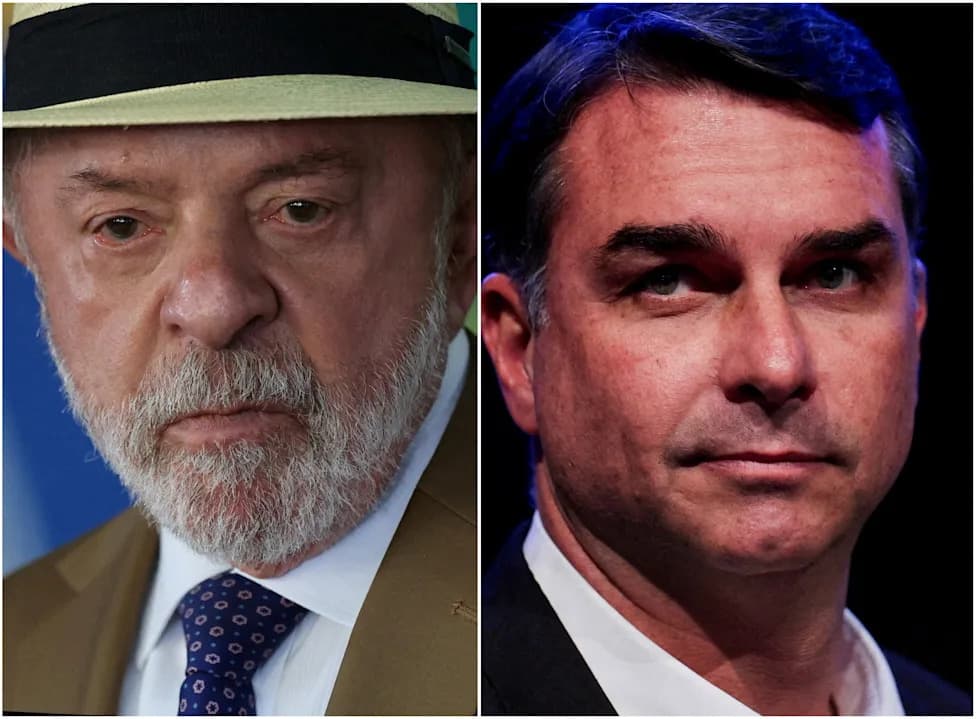
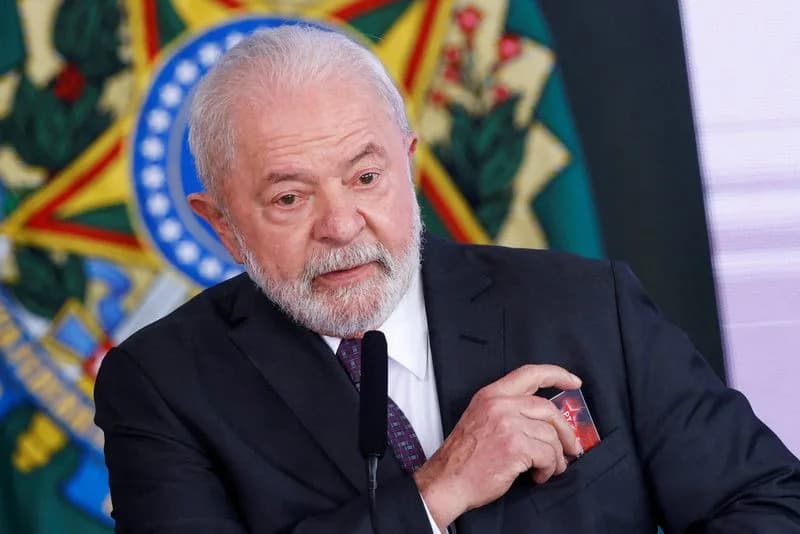
Flávio Bolsonaro led Brazil’s first-round presidential vote on October 4 with roughly 47 percent of the ballots, forcing a runoff against incumbent Luiz Inácio Lula da Silva on October 25, 2026. His strong showing has prompted analysts to suggest a Flávio victory could offer lessons for Donald Trump and other populist movements dealing with legal troubles and slipping poll numbers.
Background: Flávio is the son of former president Jair Bolsonaro, who is serving a 27-year prison sentence after being convicted of plotting a coup following his 2022 election defeat to Lula. Flávio has pledged to pardon his father if elected, and Donald Trump has publicly expressed support for the jailed ex-president.
Election Numbers and Political Stakes
In raw totals, Flávio Bolsonaro received about 56.1 million votes to Lula’s 53.8 million; neither candidate reached an outright majority. Observers currently regard Flávio as favored to pick up additional support in the runoff from voters who backed other right-leaning candidates. The broader right and far right also won 34 of the 54 Senate seats contested this cycle.
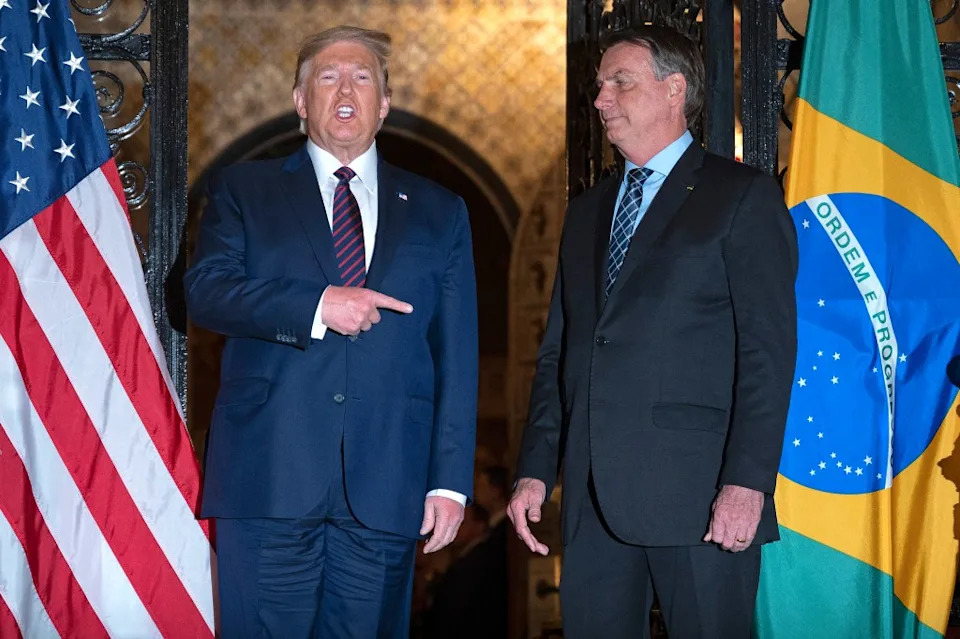
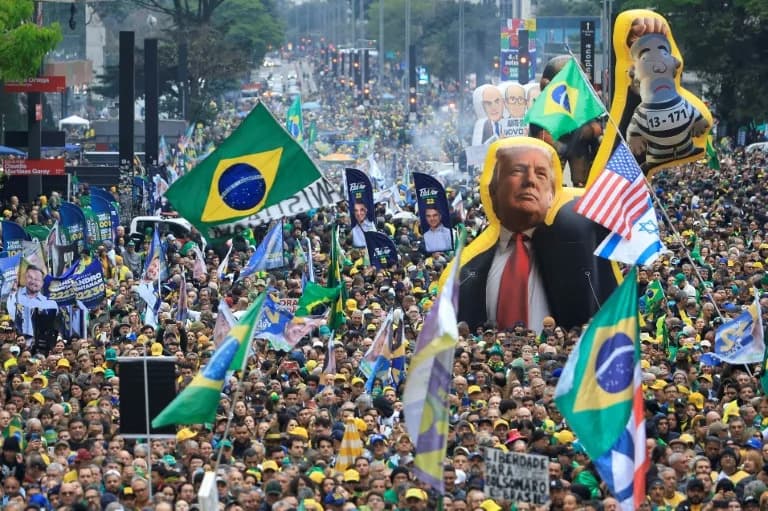
US President Donald Trump (L) speaks with Brazilian President Jair Bolsonaro at Mar-a-Lago in Palm Beach, Florida, on March 7, 2020. Bolsonaro's son, Flavio, got the most votes in the first round of Brazil's election on October 4, 2026.
Why Analysts See a 'Playbook' for Trump
“Trump, the model, was important in terms of the playbook,” said Christopher Sabatini, director of the Latin America Programme at Chatham House. “He’s changed the political landscape dramatically, as has Bolsonaro.”
Analysts say a Flávio victory would demonstrate how a populist movement can survive legal peril, negative press and declining establishment influence — a sequence that could be instructive for Trump’s allies after 2028.
Key Campaign Themes
Crime and insecurity were dominant concerns in the campaign; many voters told pollsters that security is a top priority, a weakness the center-left has struggled to address. Lula framed the contest as one of national sovereignty and accused foreign interference, including from the U.S., but that message failed to shift the debate away from public insecurity for many voters.
Turnout and Next Steps: Voting is compulsory in Brazil for citizens aged 18–70, yet roughly 21 percent of eligible voters abstained in the first round. For the runoff, Lula can try to reclaim abstainers, build coalitions with moderate parties and emphasize Flávio Bolsonaro’s ties to criminal networks in Rio de Janeiro, where he serves as a senator. How successfully either side consolidates support will determine whether Flávio’s comeback becomes a regional model for populist resilience.
Help us improve.