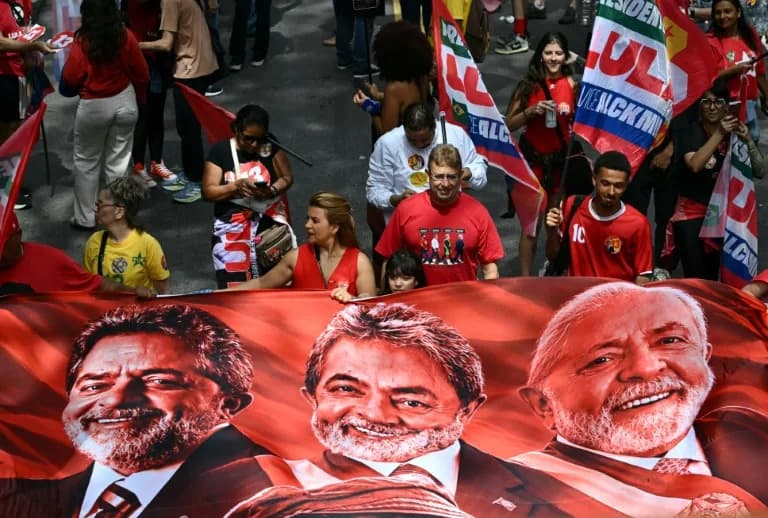
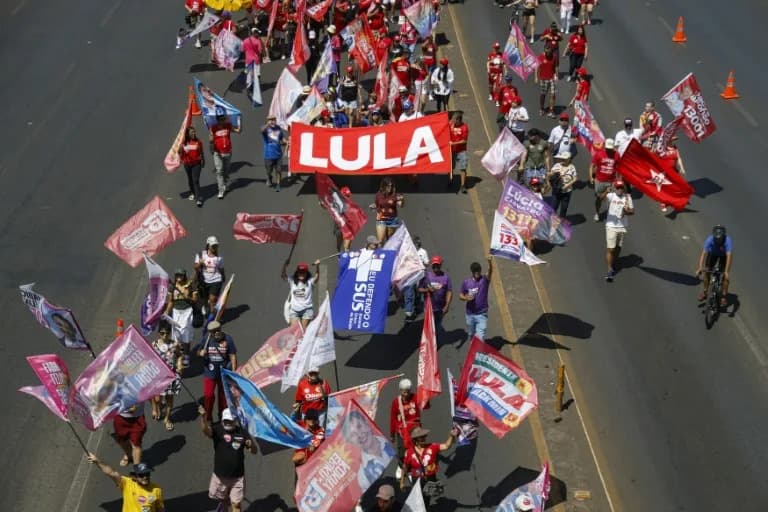
Indigenous communities in Brazil's Amazon are publicly supporting President Luiz Inacio Lula da Silva as El Niño-driven drought and wildfires worsen. Residents of the Kambeba village Tres Unidos have suffered smoke-related health problems and traveled by boat to vote. Amazonas recorded 3,726 fires in September — over four times last year — and the government pledged nearly $250 million in July to address El Niño impacts. Lula reinstated Indigenous reserve recognition and created a ministry for Indigenous affairs in 2023, policies welcomed by many Indigenous voters.
Indigenous Voters Rally Behind Lula as El Niño Fuels Amazon Fires
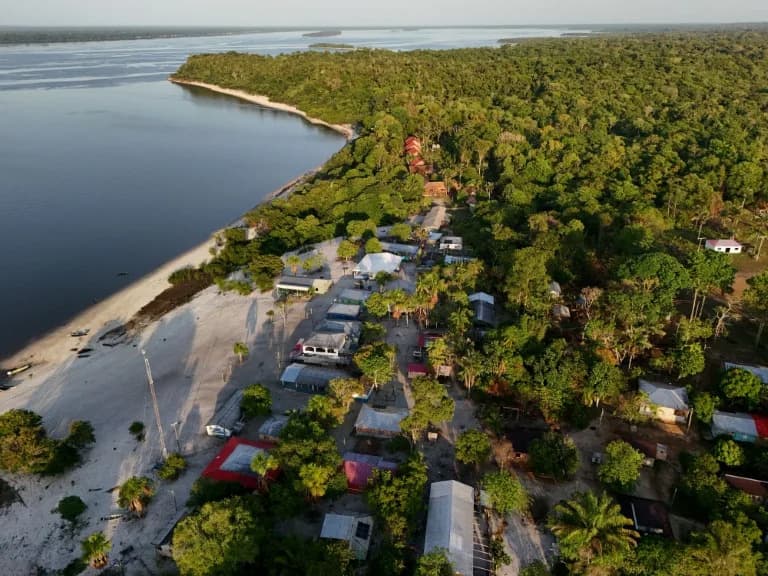
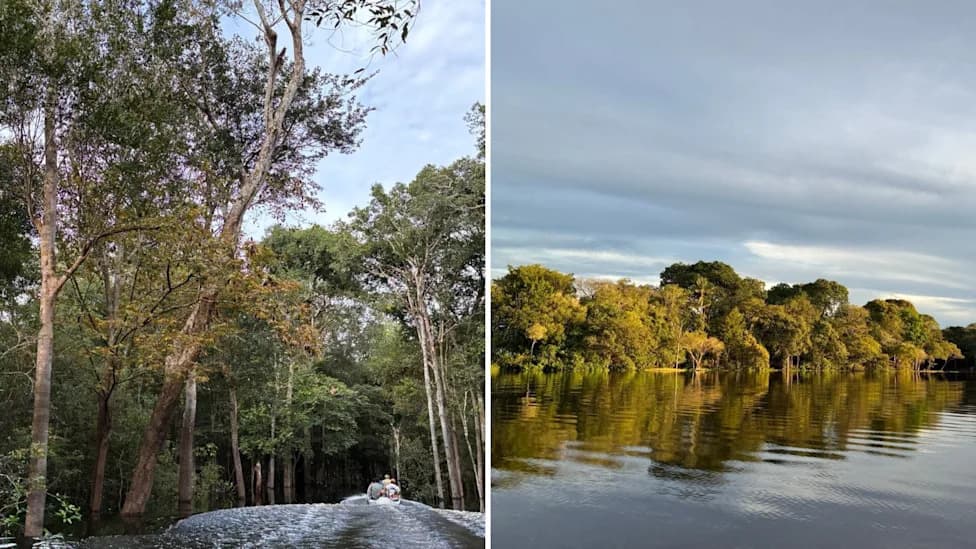
The Tres Unidos village of 120 people sits on the banks of the Rio Negro, an important tributary flowing through the Amazon rainforest (MICHAEL DANTAS)
As El Niño-driven drought and wildfires spread across Brazil's Amazon, Indigenous communities are publicly backing President Luiz Inacio Lula da Silva — a candidate they say prioritizes the protection of their lands and lives.
Smoke, Health Risks and a Political Choice
The Kambeba settlement of Tres Unidos, a village of roughly 120 people on the banks of the Rio Negro, has spent recent weeks breathing smoke from nearby forest fires. Residents report coughing, eye irritation and growing concern for vulnerable groups: children and the elderly. On election day, villagers boarded boats to reach a nearby polling station; some made an "L" gesture in support of Lula.
"The fires are damaging air quality. Children and elderly people are at risk of death; several residents have suffered from coughing or vision problems," said Indigenous chief Waldemir da Silva, 67.
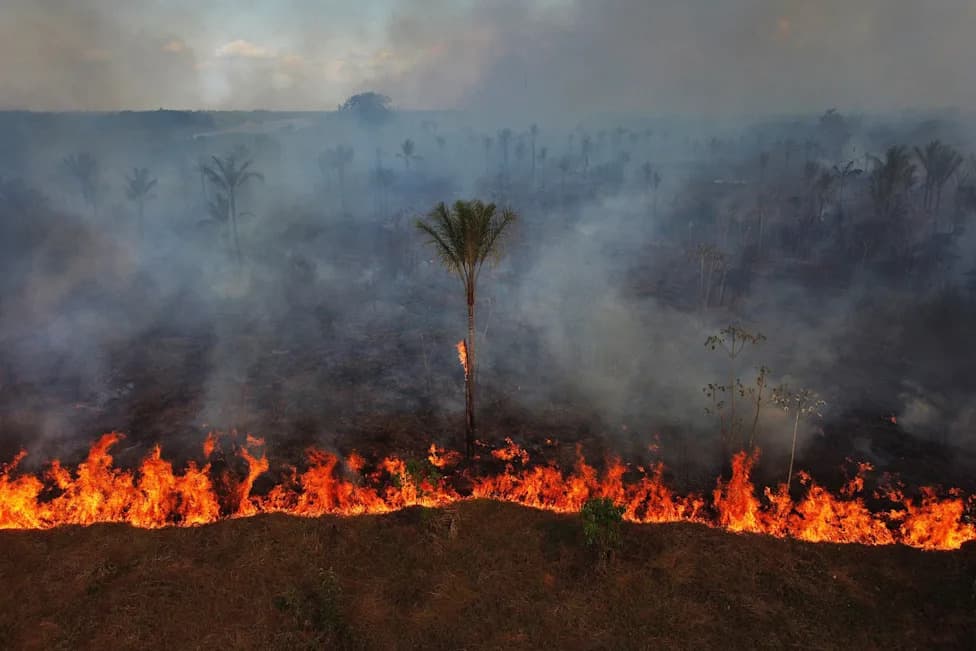
Tatiane Costa, 38, said her daughter — a student in Manaus — called saying she wanted to return to the village after inhaling thick smoke. Footage from the Iranduba area near Manaus shows large burned patches amid otherwise green forest, firefighters still battling hotspots and charred wildlife, including iguanas, scattered on the scorched ground.
Policy, Funding and the Bigger Picture
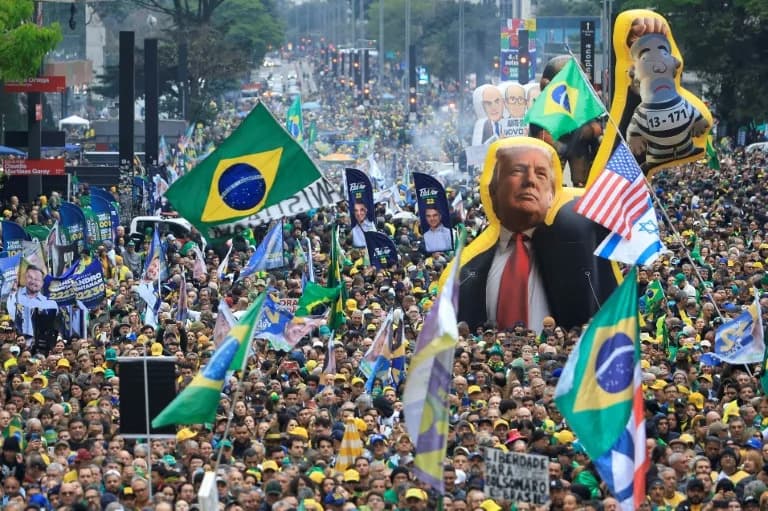
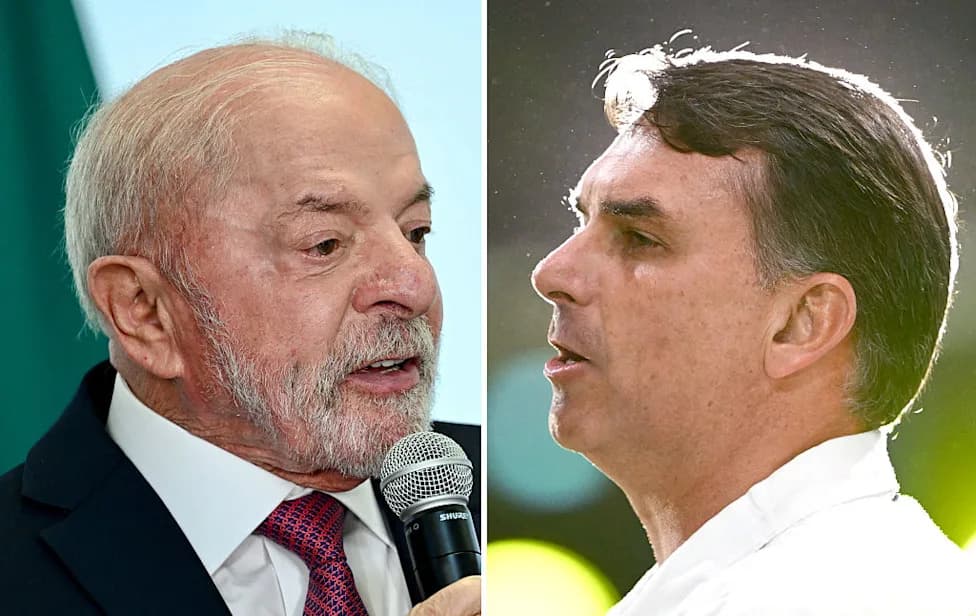
Lula — who created a ministry dedicated to Indigenous affairs in 2023 and reinstated recognition of Indigenous reserves after those processes were paused under former president Jair Bolsonaro — enjoys broad support among many Indigenous groups. Voters said they view the Bolsonaro political family as a threat to their territories after deforestation surged during Jair Bolsonaro's presidency.
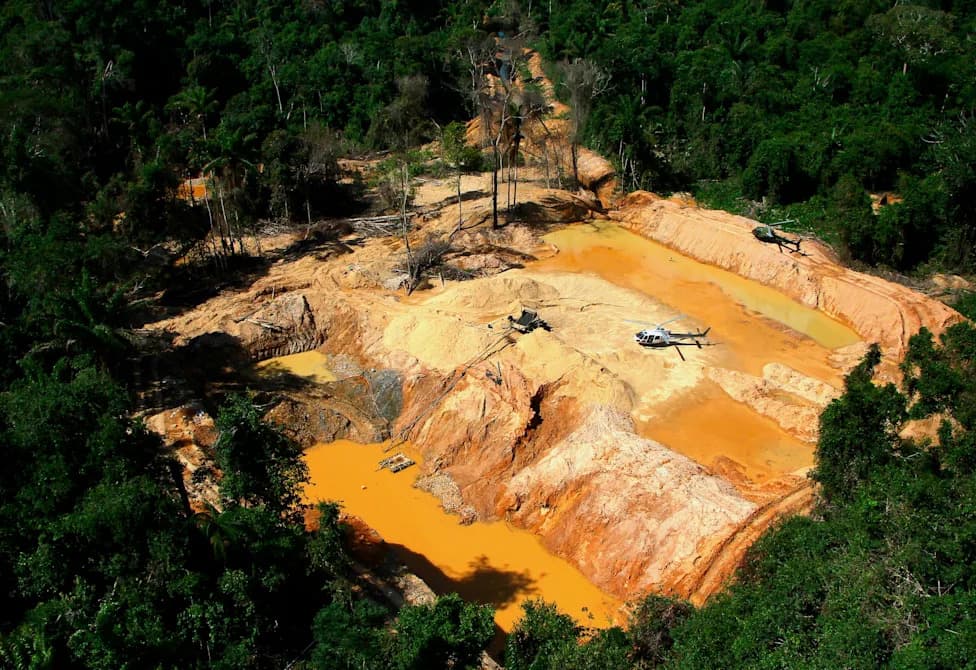
Official data show Amazonas state recorded 3,726 fires in September — more than four times the number for the same month last year. In July, the federal government announced nearly $250 million in funding to respond to the impacts of El Niño, which forecasters expect to be especially strong this year. El Niño warms surface waters in the equatorial Pacific and shifts global wind and rainfall patterns, increasing drought and wildfire risk in parts of Brazil.
Speaking at a ministerial meeting in September, Lula said: "We still don't know whether we'll manage it, because we still don't know how intense it will be, but we have never acted so quickly to prevent the population from suffering."
For the residents of Tres Unidos and other Indigenous communities across the Amazon, the unfolding environmental crisis has sharpened the stakes of the election: immediate public-health threats from smoke and long-term concerns about land protection, deforestation and climate resilience.
Help us improve.