Brazil's next president will inherit a large backlog of vacancies at the Supreme Court, the Central Bank and financial regulators, giving the winner substantial influence over key institutions. Congress has increasingly used confirmation processes as political leverage, delaying nominations and shifting power away from the executive. Notable gaps include two Central Bank board seats empty since January and a nearly year-long Supreme Court vacancy after senators rejected a nominee in April. The Oct. elections will largely determine how many appointments the incoming administration can make.
How Brazil’s Next President Could Reshape Key Institutions Amid Growing Vacancies
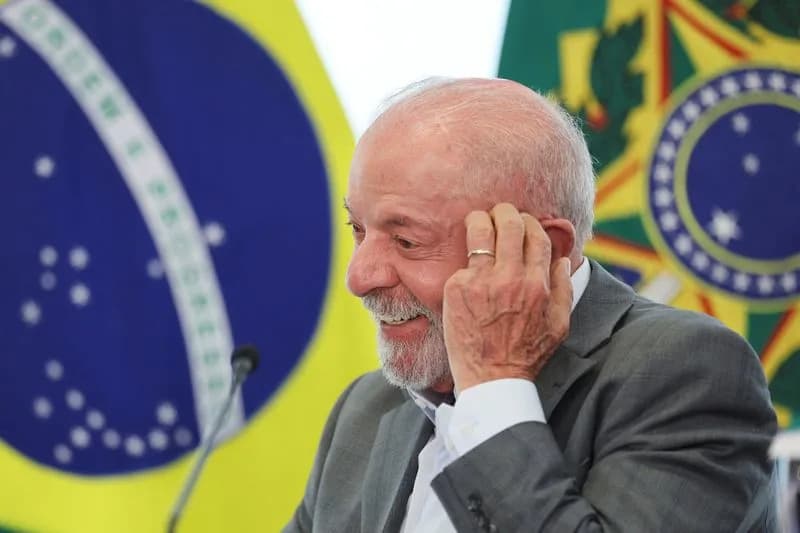
Brazil's President Luiz Inacio Lula da Silva, attends a ceremony at the Planalto Palace in Brasilia, Brazil, October 1, 2026. REUTERS/Adriano Machado
Brazil's incoming president will inherit an unusually large backlog of unfilled posts at some of the country's most powerful institutions, with vacancies accumulating at the Supreme Court, the Central Bank and major financial regulators.
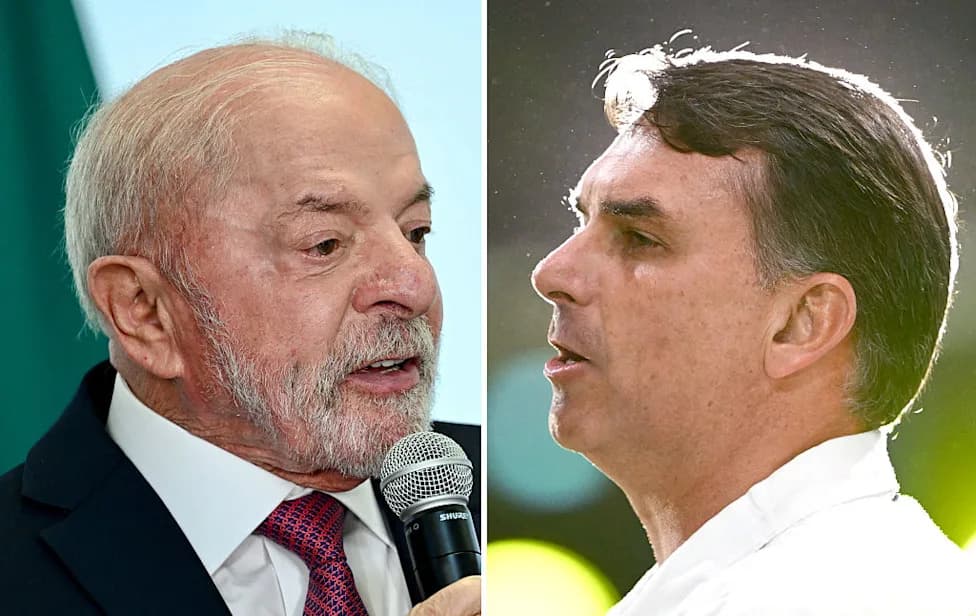
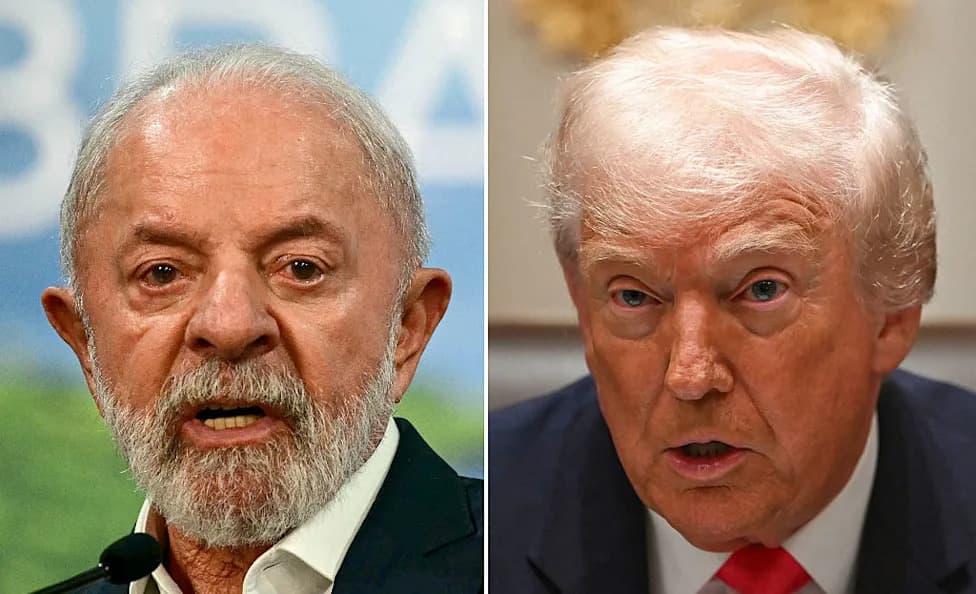
That mounting slate of open appointments means the winner of the tight contest between President Luiz Inácio Lula da Silva and Senator Flávio Bolsonaro could exert outsized influence over bodies that set monetary policy, supervise markets and interpret the constitution. The two candidates face a first-round vote on Oct. 2, with a runoff later in October widely expected.
Congress As A Gatekeeper
Experts say the pileup of vacancies reflects a broader shift in Brazilian politics: Congress has become a more decisive gatekeeper, using confirmation processes as leverage and thereby constraining the executive's ability to staff institutions.
A predominantly right-leaning Congress has used that leverage during Lula's current term to delay approval of several presidential nominees. At the same time, the executive has sometimes refrained from forwarding nominees it deems unlikely to be confirmed, leaving positions empty.
“The use of appointments as political leverage has made the executive reluctant to submit nominees without first gauging their Senate prospects,” said Rubens Beçak, a law professor at the University of São Paulo.
How Routine Referrals Became Political
Where nominations once moved quickly to Senate committees, many were paused during the pandemic and since have awaited formal referral by the Senate president. Senate President Davi Alcolumbre has maintained that practice, concentrating discretion in his office and turning what was once an administrative step into a political decision, a person familiar with the process said. The presidential palace and Alcolumbre's office did not respond to requests for comment.
Key Vacancies and Institutional Risks
At the Central Bank of Brazil, two board seats — including the economic policy position that oversees forecasts used in rate-setting — have been vacant since January, a record interval for those posts. Lula has not yet submitted nominees for those slots.

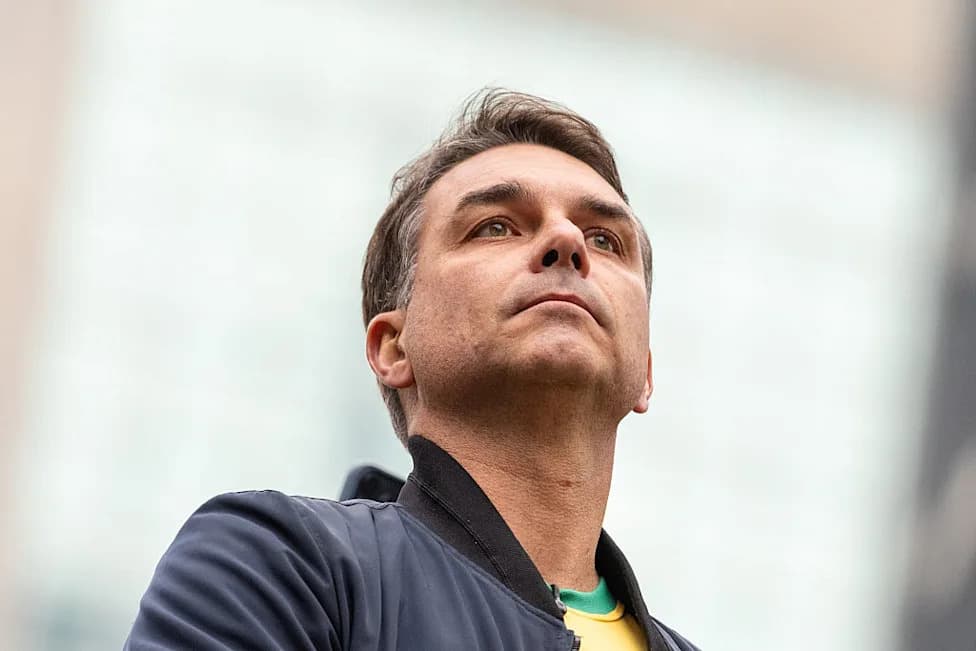
Brazilian presidential candidate Flavio Bolsonaro of the Liberal Party (PL), accompanied by Sao Paulo's governor Tarcisio de Freitas attends a campaign rally at Mercado Municipal (Municipal Market known as Mercadao) in Sao Paulo, Brazil September 28, 2026. REUTERS/Amanda Perobelli
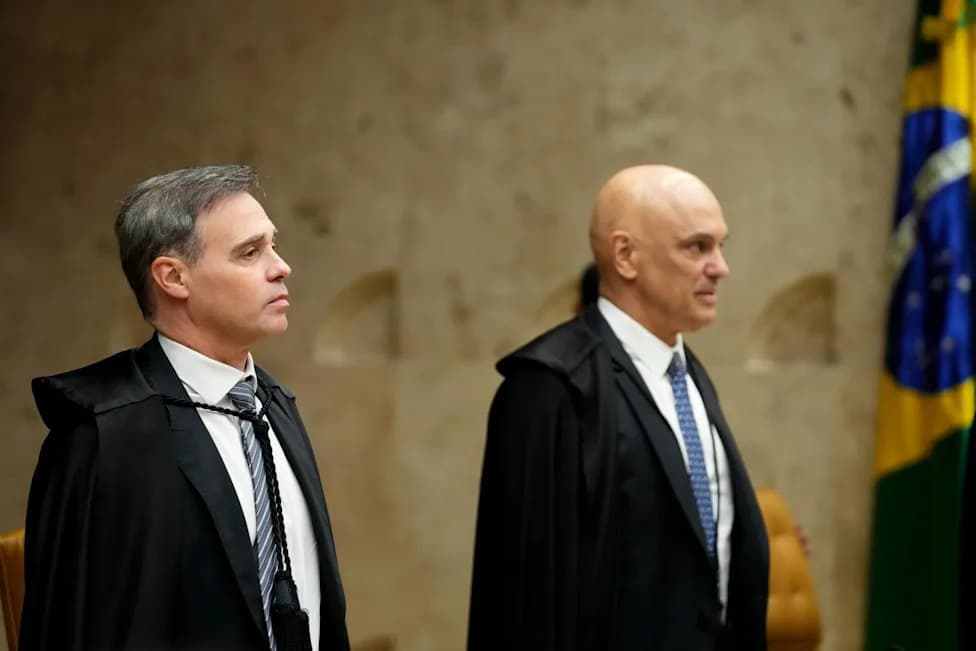
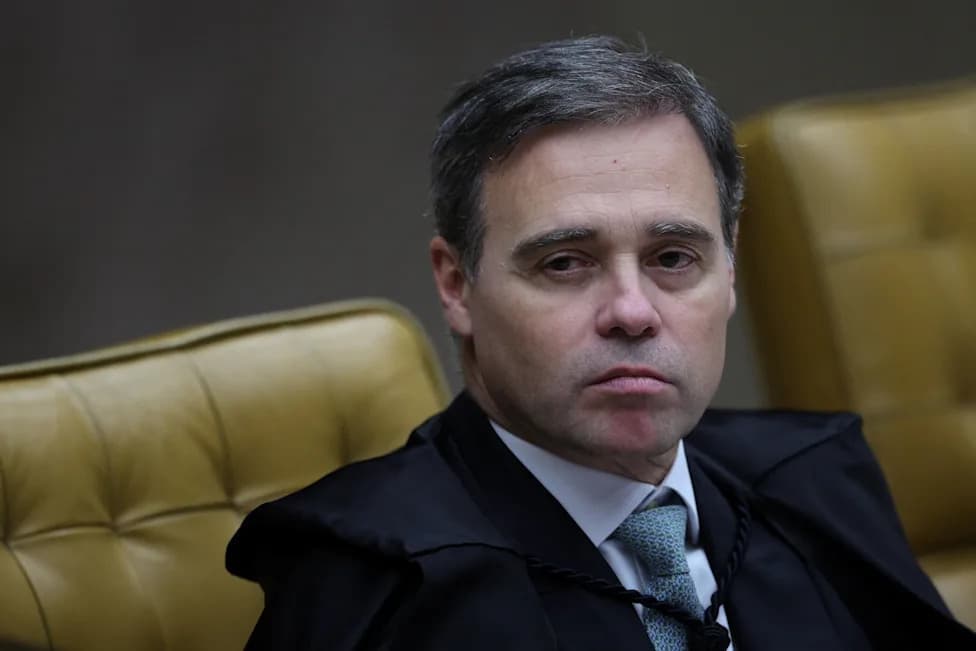
In April, senators rejected Lula's Supreme Court nominee, Solicitor General Jorge Messias, creating a vacancy approaching a year — the longest since Brazil's return to democracy in the 1980s. The securities regulator CVM has operated with board vacancies since late 2024, and the antitrust authority Cade is missing its president and two board members, leaving it close to the minimum quorum and slowing merger reviews.
Claudio Couto, a political scientist at Fundação Getulio Vargas, called the backlog “deeply problematic,” warning that stalled appointments risk concentrating selections within a single administration and politicizing bodies meant to remain nonpartisan.
Structural Changes In Bargaining
Observers describe a structural shift in how nominations and legislation are negotiated. Where agreements were once brokered mainly between the president and coalition partners, they increasingly depend on accord among congressional leaders, said Neuriberg Dias, head of legislative watchdog DIAP.
Congress' expanding control over spending has altered incentives in executive-legislative bargaining. Earmarks — funds routed to local or specific projects — rose from 7.5% of effective federal discretionary spending in 2018 to 21% in 2025, according to Planning Ministry data provided to Reuters.
Lawmakers' dominance of the agenda is evident in legislative output: last year, Congress approved 178 bills introduced by legislators and just 50 from the executive. By contrast, in 2007 during Lula's previous administration, executive bills outnumbered congressional measures, with 142 versus 52, DIAP data show.
Election Stakes
The 2026 campaign has further slowed nominations as lawmakers wait to see whether Lula secures another term. Voters will also elect all 513 members of the Lower House and two-thirds of the Senate, meaning the election will decide not only who governs Brazil but how much leeway the winner will have to fill key institutional posts and shape the rules that govern the economy and legal framework.
Reporting by Marcela Ayres and Ricardo Brito; Editing by Brendan O'Boyle and Rosalba O'Brien.
Help us improve.