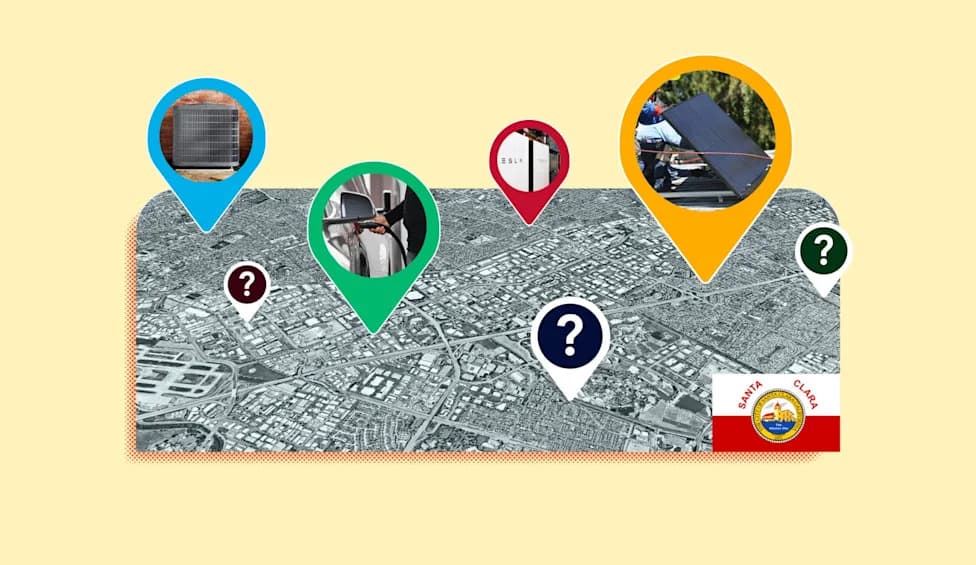
SB 868 (Plug and Play Solar Act), reportedly signed on Sept. 30, 2026, would let renters and others with unusable roofs plug certified small solar systems into standard outlets beginning Jan. 1, 2027 (subject to final enacted text). Systems would be capped at 1,200 watts AC per dwelling, must be UL Solutions-certified (or equivalent) with anti-islanding protection, and utilities may not require interconnection agreements or device fees until Jan. 1, 2030. Building rules, landlord permission and local codes still apply.
California Clears Path for Plug-In Solar for Renters — What SB 868 Means
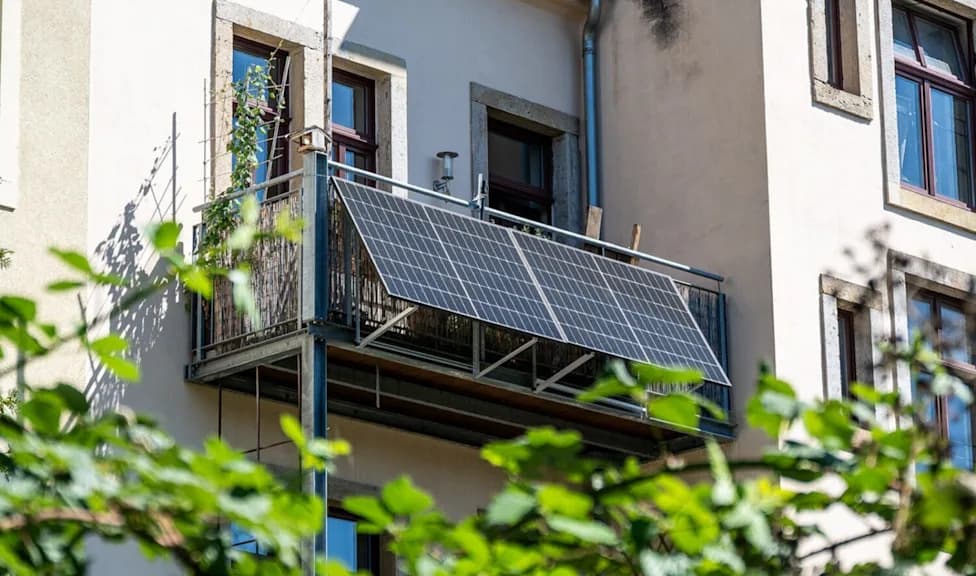
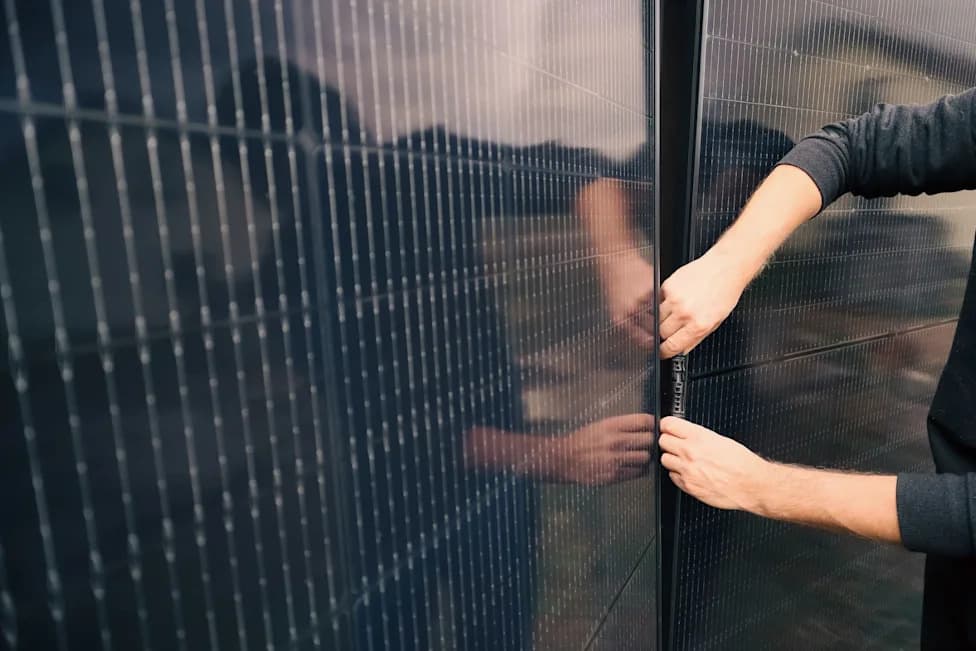
Image: Switch Together
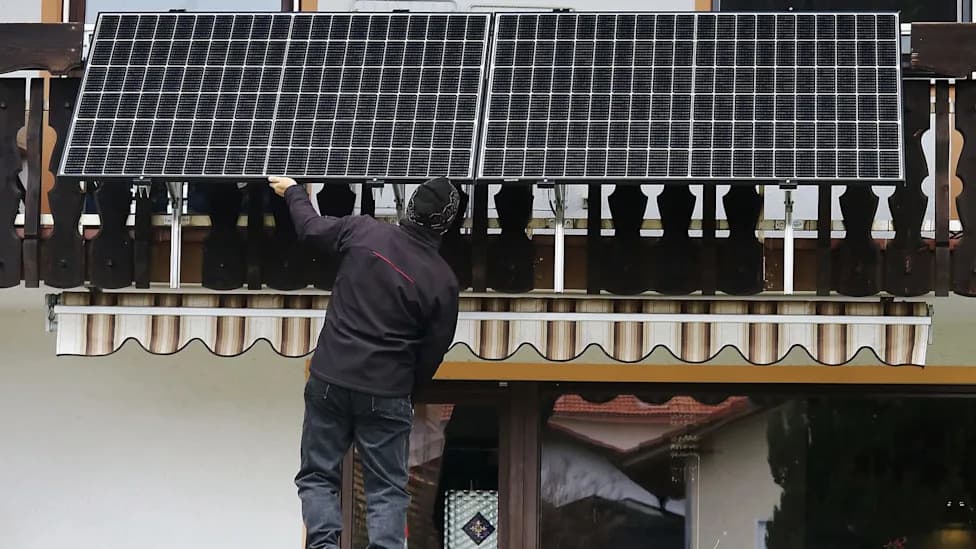
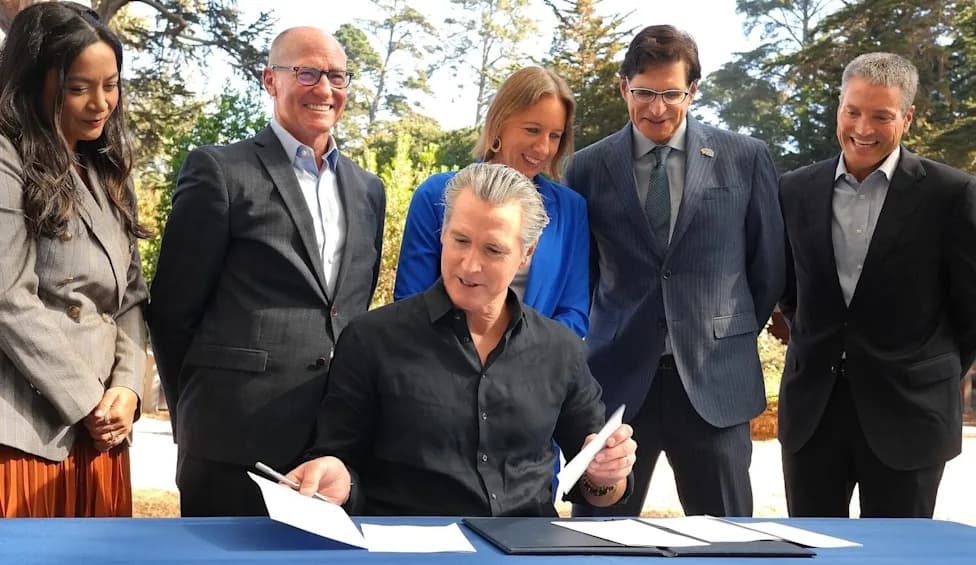
Governor Gavin Newsom reportedly signed SB 868, the Plug and Play Solar Act, on September 30, 2026. If the enacted statutory text is confirmed, the law is scheduled to take effect on January 1, 2027 and would create a streamlined pathway for renters, condo residents and homeowners with unusable rooftops to connect small, certified solar systems directly to a standard household outlet.
What The Bill Does
SB 868 centers on three core elements: certified safety, an output cap per dwelling, and a temporary rollback of certain utility requirements.
- Household Cap: Qualifying systems are limited to a maximum output of 1,200 watts AC per dwelling — roughly enough to offset a refrigerator and a few smaller appliances depending on sun exposure and usage patterns.
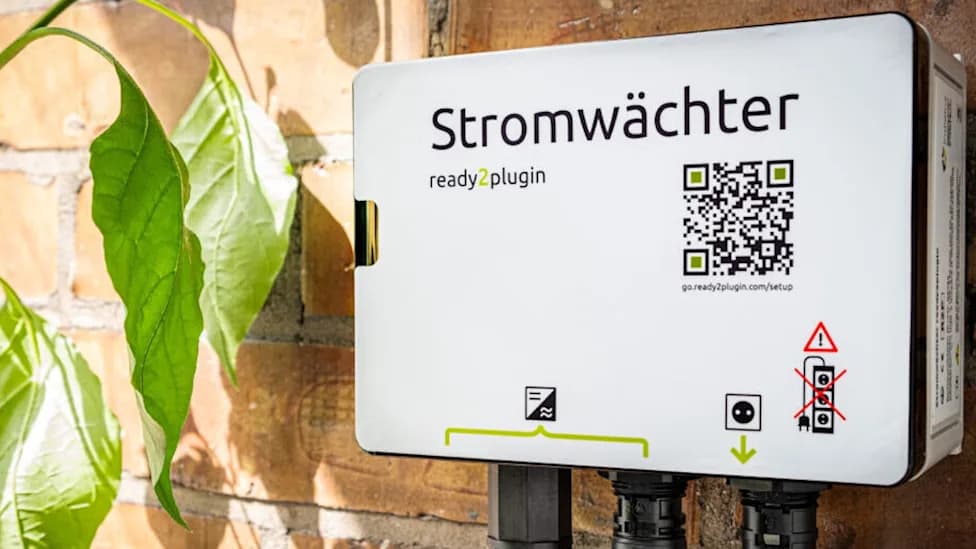
- Safety Certification: Each eligible device must carry certification from UL Solutions or an equivalent testing laboratory and include anti-islanding protection (which prevents energy from feeding back into the grid during outages).
- Temporary Utility Exemptions: From the law’s effective date until January 1, 2030, utilities would not be allowed to require interconnection agreements, advance approval, or device-specific fees for qualifying plug-in systems. Utilities may require a brief online notification listing the installation address, device make and model, and system size.
Limits And Practical Considerations
Not every panel-and-inverter combination will qualify. Only products that meet the statute’s definitions and pass the required safety testing will be covered by the streamlined rules. Media reports indicated compliant products could reach retail around mid-2027, though stakeholders should confirm timelines with manufacturers and retailers.
The law removes administrative barriers but does not guarantee a specific reduction in a household’s monthly bill. Actual savings depend on system size, panel orientation and tilt, shading, local electricity rates, and whether generation aligns with a household’s peak use. Output varies by season and time of day; the 1,200-watt ceiling is a legal cap, not a promise of continuous output at that level.
State law does not override building rules, landlord permissions, or local electrical codes. Property owners and local authorities may impose restrictions; installers and residents should secure any required approvals before installing equipment.
Related Legislation
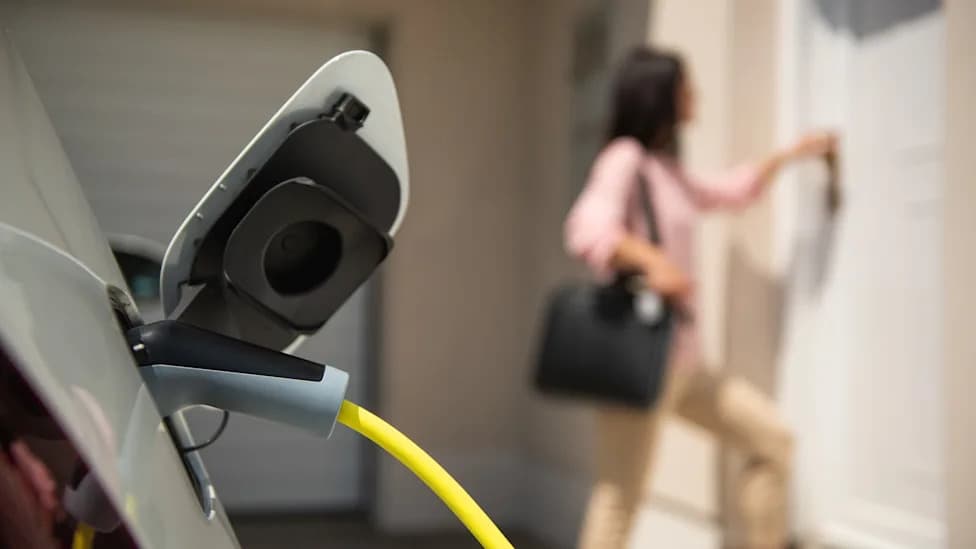
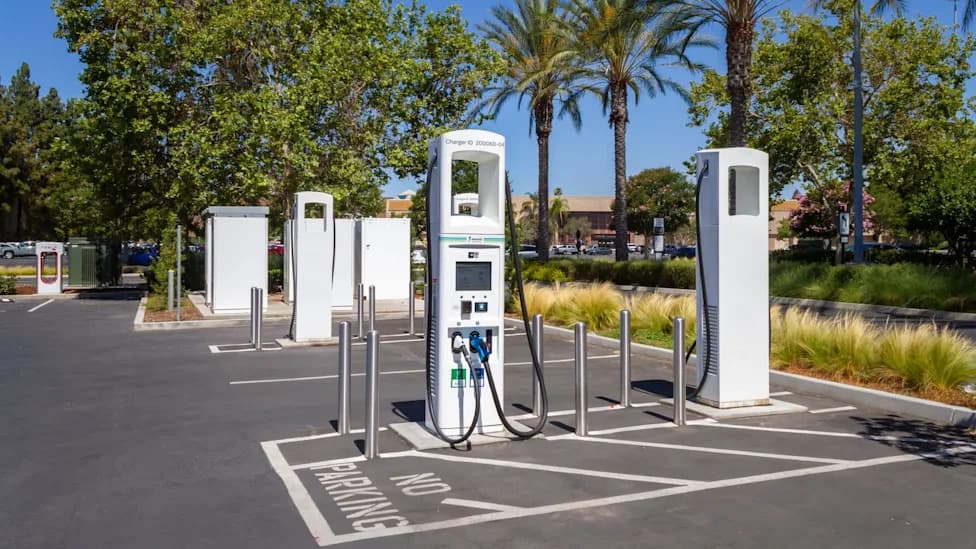
- SB 913 (Clean Local Power Act): Would enable customer-owned batteries, electric vehicles and smart thermostats to operate as an aggregated virtual power plant that could count toward utilities’ resource-adequacy requirements. Sources conflict on the implementation deadline (one cites June 30, 2027; another June 30, 2028). Verify the date against the enacted text or California Public Utilities Commission materials before planning.
- SB 905: Would require large investor-owned utilities to publish data on grid capacity and congestion and to evaluate whether batteries or demand-response programs could defer expensive infrastructure upgrades. Any bill-driven savings for customers will depend on later regulatory decisions.
What Consumers Should Watch For
- Certified plug-in solar products appearing in retail channels (reports suggest mid-2027).
- Utility online notification portals and any guidance from the California Public Utilities Commission.
- Whether landlords, homeowners associations, or local code officials permit installations in your building.
Bottom line: SB 868 could expand rooftop-style solar access to renters and residents with limited roof access, but the real-world benefits will depend on product availability, installation rules, local approvals and how much the systems actually generate relative to household needs.
Help us improve.